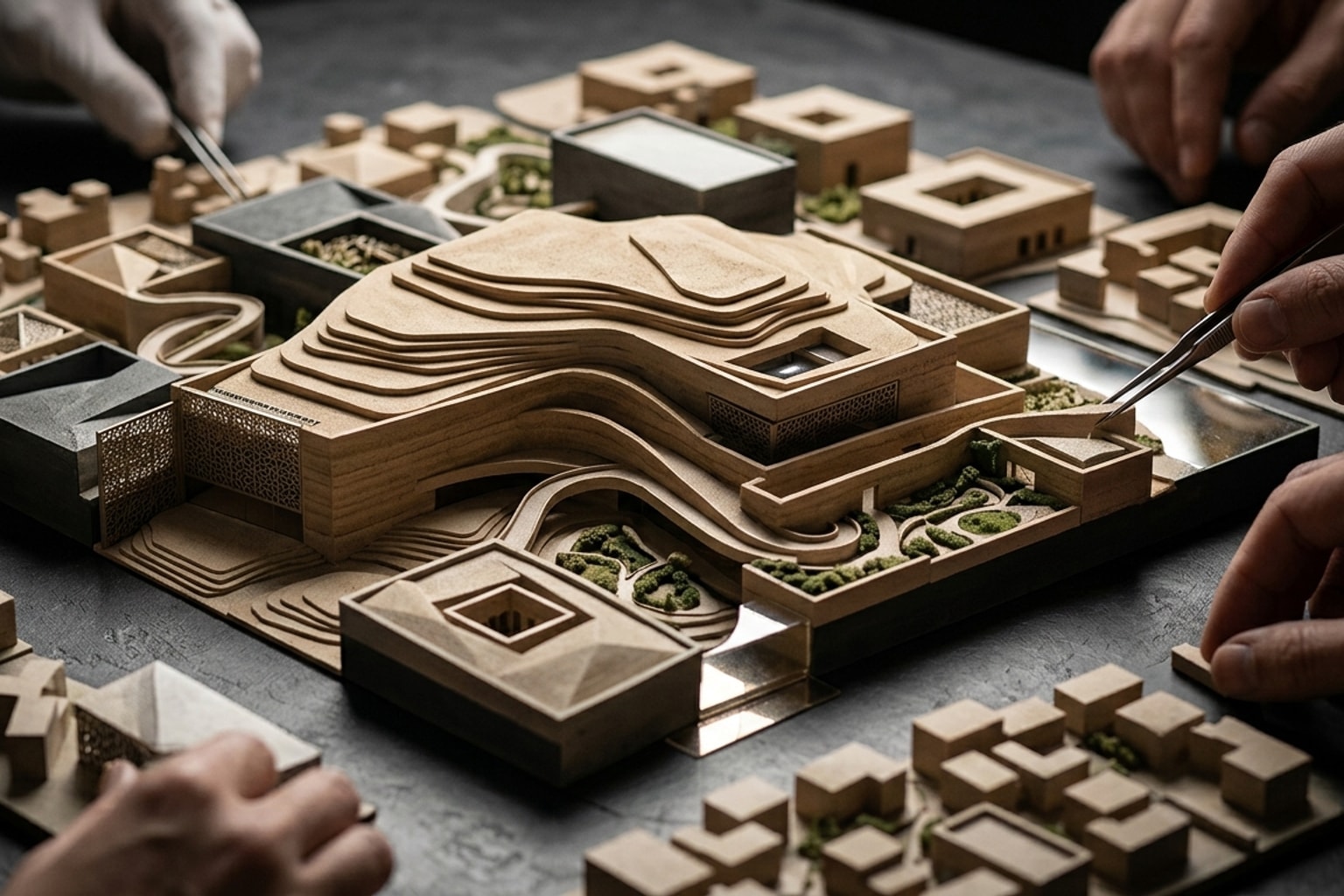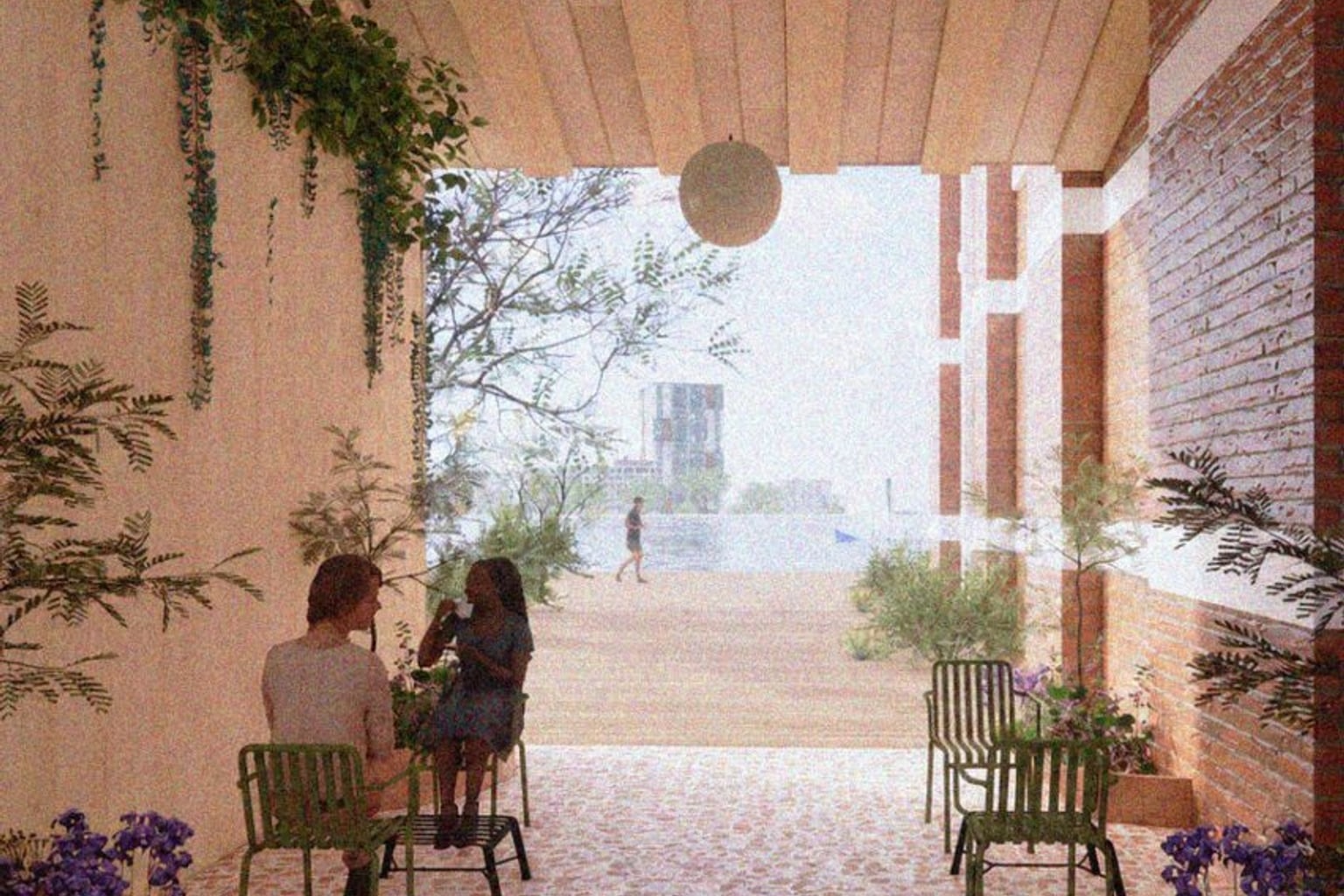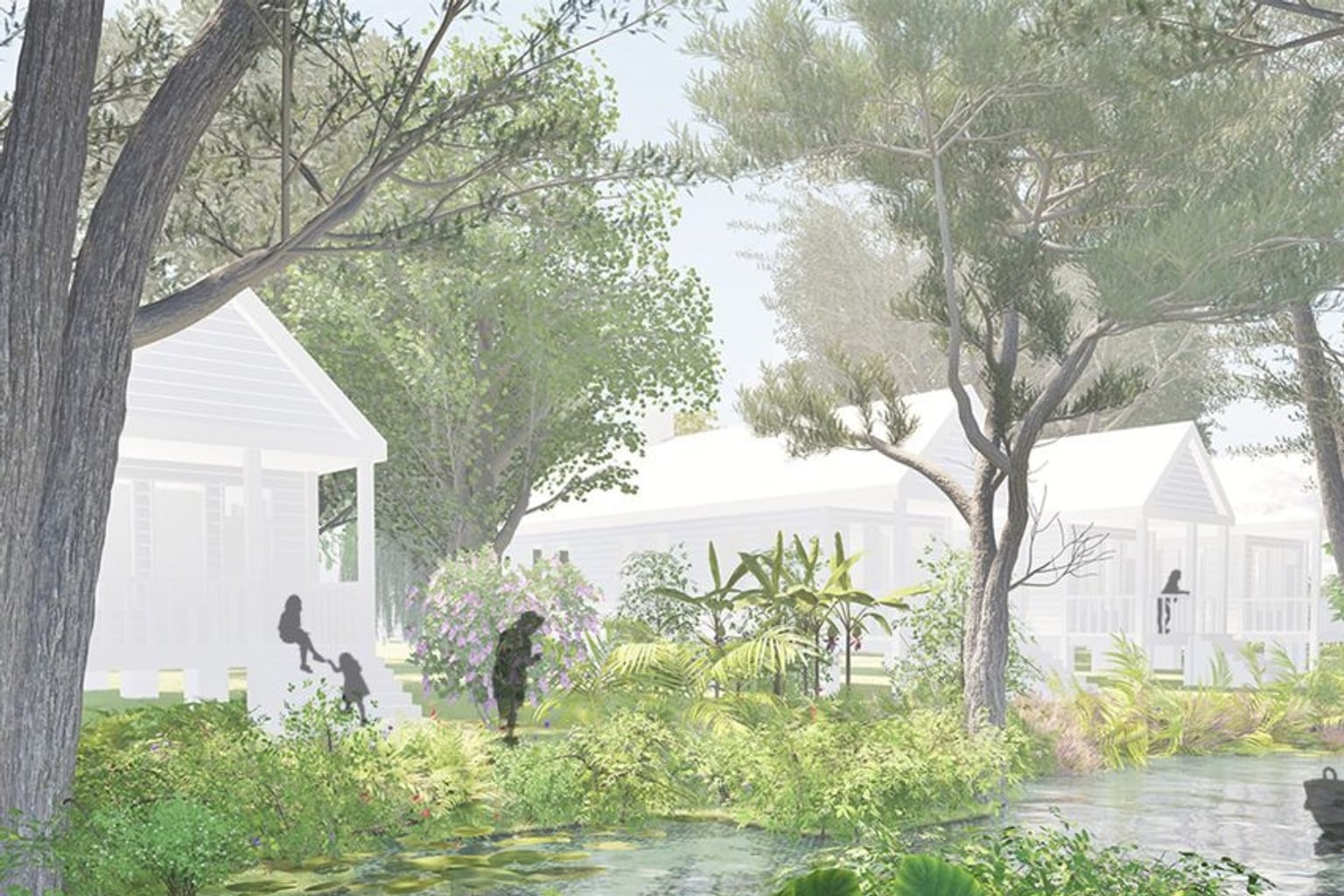
Tulane University students have unveiled a series of architectural proposals tackling global infrastructure and climate challenges. The showcase projects range from flood-resistant wetlands in New Orleans to new communal structures for refugee camps.
What happened
The design proposals emerged as part of a recent student showcase hosted by Dezeen. Architecture students from Tulane University presented theoretical concepts aimed at solving acute environmental and social issues.
One prominent project focuses on the university’s home city of New Orleans. A student designed a native wetland ecosystem intended to protect a specific neighborhood facing high flood risks.
The concept uses natural water management strategies to buffer the area against severe weather. It aims to replace hard concrete infrastructure with absorbent natural landscapes.
Another proposal shifts focus to dense urban infrastructure in the Northeast. It offers a permanent architectural alternative to the temporary scaffolding that constantly covers sidewalks in New York City.
The scaffolding project reimagines how the city handles long-term facade repairs. It seeks to integrate safety structures directly into the urban streetscape.
A third major project looks at international humanitarian crises. It outlines new communal spaces designed specifically for Rohingya refugee camps in Bangladesh.
Why it matters
These student concepts highlight a broader shift in modern architectural education. Future designers are increasingly moving away from purely aesthetic exercises.
Instead, university programs are focusing directly on climate resilience, urban decay, and global crisis response.
New Orleans faces an existential threat from rising sea levels and intense seasonal storms. Reintegrating native wetlands into the urban grid offers a practical defense mechanism against catastrophic flooding.
Wetlands naturally absorb storm surges and filter runoff. Bringing them back into residential zones could reduce the burden on the city’s aging mechanical pump stations.
In New York City, endless construction scaffolding creates dark, cramped pedestrian walkways. A permanent, better-designed structural solution could reclaim vital public space while maintaining safety.
Meanwhile, the Rohingya refugee camps in Bangladesh are among the most densely populated settlements on Earth. Displaced populations often lack safe areas for gathering and social support.
Thoughtful communal spaces can drastically improve daily living conditions. They provide vital infrastructure for education, healthcare distribution, and community organization.
The catch
These designs remain academic proposals, not funded construction projects. Student showcases often feature idealized solutions that bypass strict zoning laws and real-world budget constraints.
Building a new wetland in a developed New Orleans neighborhood would require massive land buyouts. It would also face complex soil engineering hurdles to prevent unintended water seepage into nearby homes.
Similarly, replacing New York City scaffolding involves navigating rigid local safety codes. The city’s building department mandates specific temporary structures to protect pedestrians from falling masonry.
Changing those regulations to allow for alternative structures would require years of bureaucratic negotiation.
Implementing new communal spaces in Bangladesh requires cooperation from international aid organizations. It also depends heavily on the host country’s government, which tightly controls permanent camp infrastructure.
What to verify
City planners should review the New Orleans wetland proposal against current municipal water management strategies.
New York City building officials would need to assess the scaffolding alternative for strict compliance with local safety laws.
Humanitarian agencies operating in Bangladesh could evaluate the refugee camp designs for practical field deployment.
Details regarding the specific student designers and their faculty advisors remain to be confirmed through the university’s official architecture department records.
Source trail
The original project showcase was published by Dezeen as part of its ongoing School Shows series.
The feature highlights the academic work emerging from the Tulane University School of Architecture.
Detailed schematics and individual student credits are available through the primary Dezeen gallery publication.