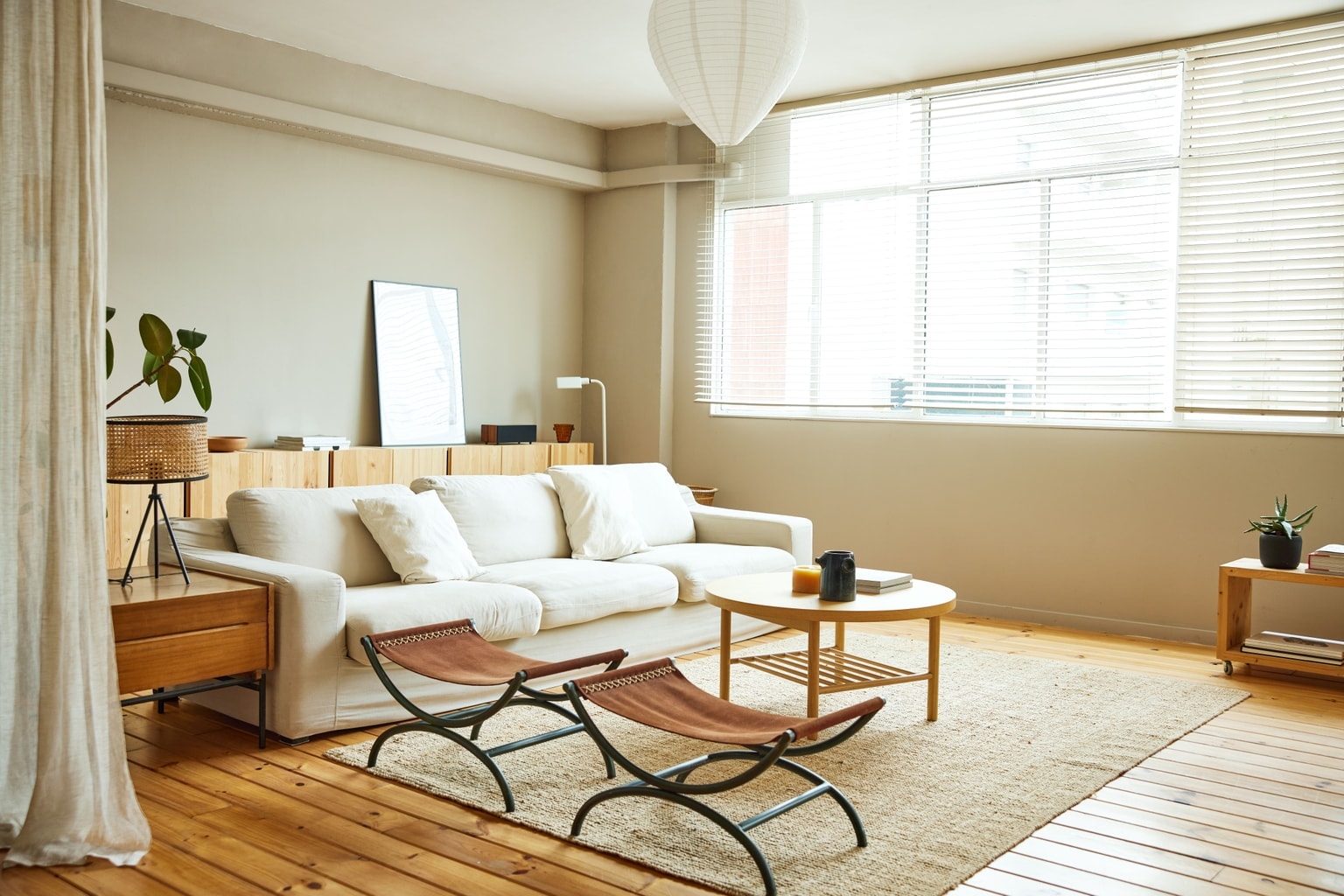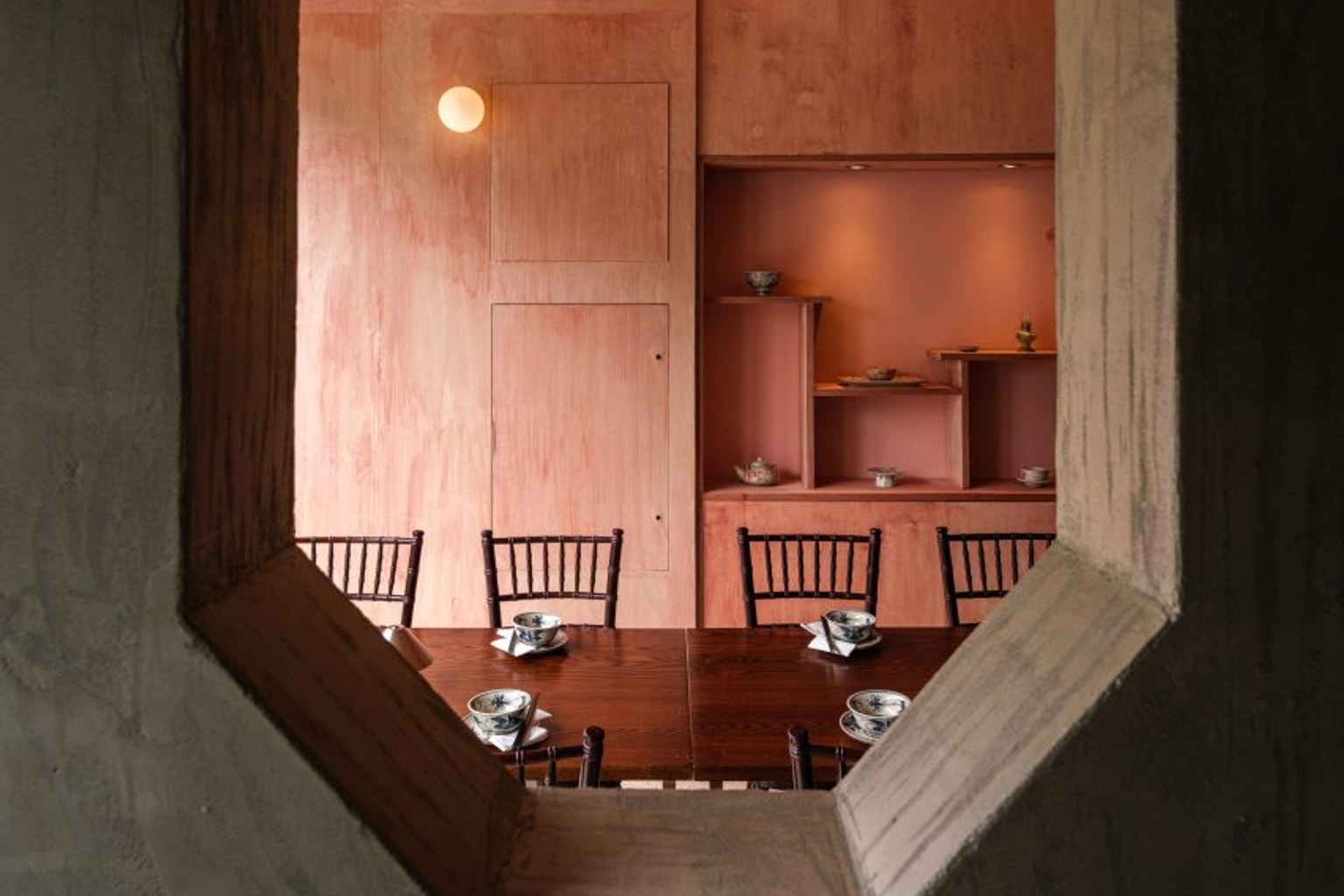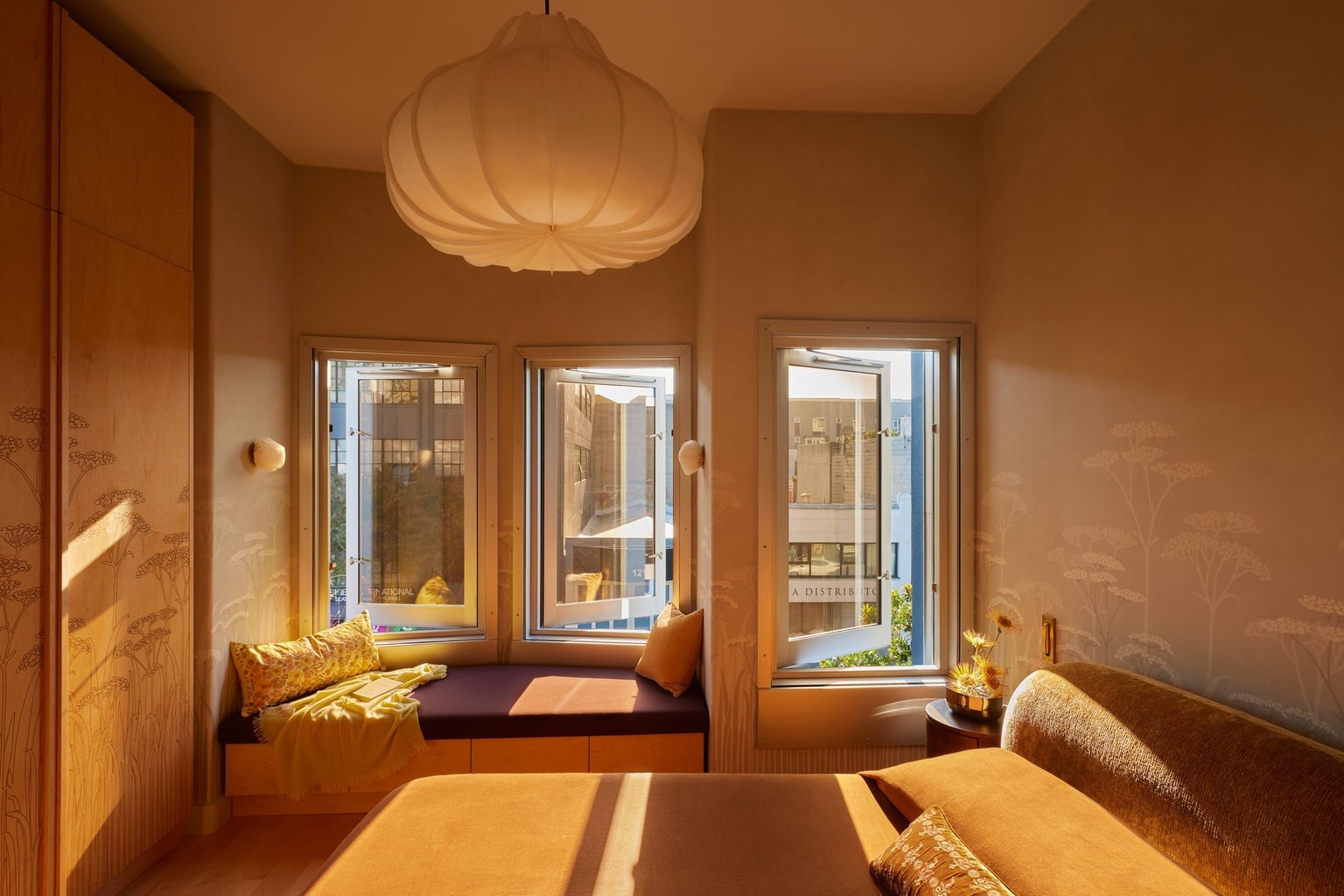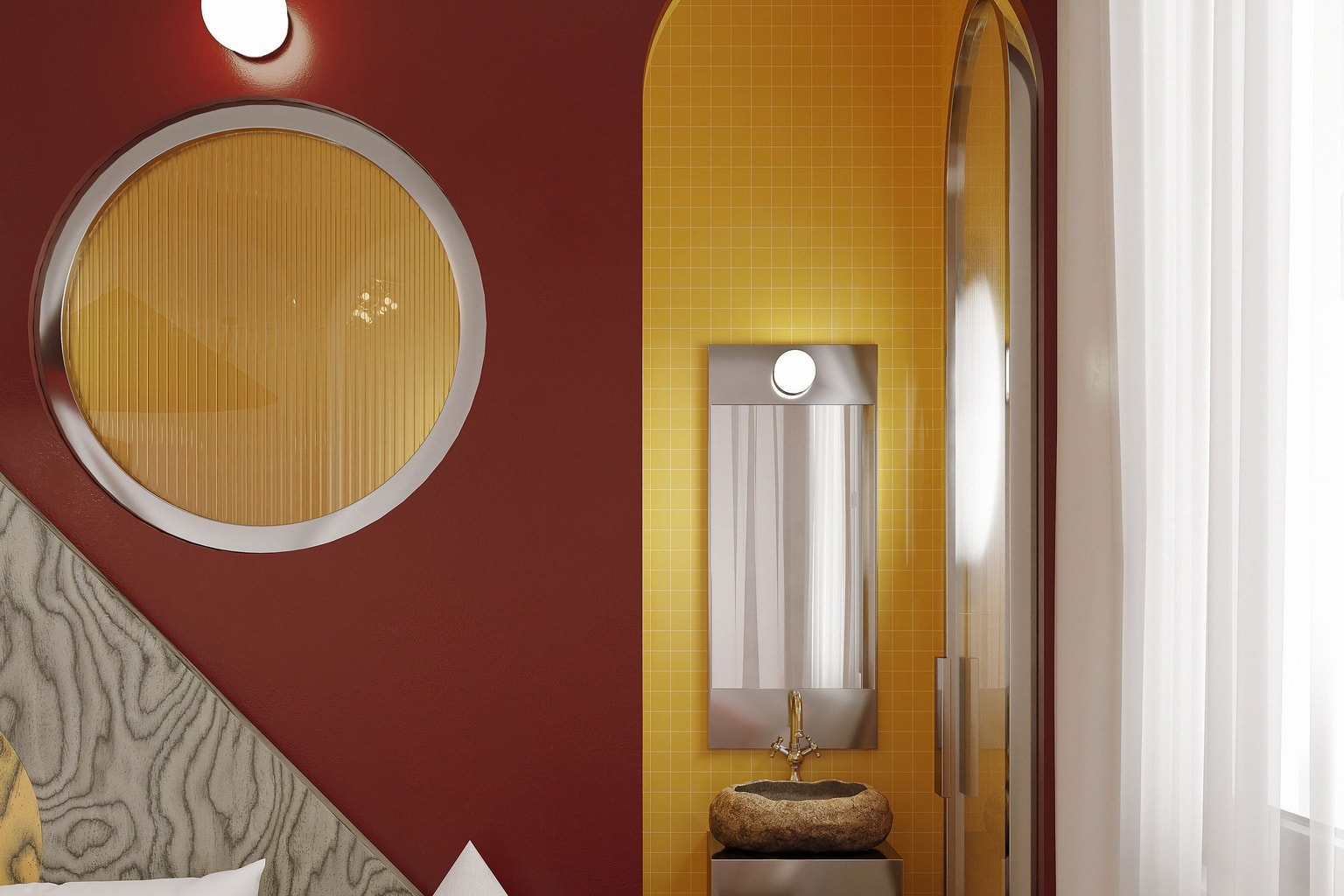
Urban density continually forces cities to reimagine their architectural heritage rather than abandon it. Recently highlighted by design critics, a 462-square-foot space in the heart of Paris has transitioned from a functional ceramics workshop into a highly expressive residential studio.
This transformation is a compelling story worth sharing because it shows how historical creative spaces can be preserved in spirit while adapting to modern, compact living demands.
Why it matters
The recent feature by Architectural Digest has captured the attention of design enthusiasts and urban planners alike. As major metropolitan areas grapple with housing shortages and the rising cost of real estate, the adaptive reuse of unconventional commercial or artisanal spaces has become a focal point of contemporary architecture.
A ceramics workshop inherently carries a specific spatial logic—likely featuring reinforced flooring for heavy kilns, distinct ventilation solutions, and an emphasis on natural light for the artisans.
Converting this highly specialized environment into a 462-square-foot residential studio requires a delicate balance of engineering and aesthetics. The design community is now gravitating toward projects that do not simply erase a building’s past but rather fold its industrial or artisanal history into a new, expressive interior design.
This specific Parisian studio serves as a high-profile case study in that exact architectural philosophy, moving the conversation away from sterile modernism and toward historically layered domesticity.
The catch
Beyond the immediate visual appeal of a Paris apartment, people are looking to decode the mechanics of hyper-efficient urban living. A footprint of just 462 square feet leaves virtually no room for wasted space. Audiences are keen to understand how the new layout accommodates standard residential necessities—such as a kitchen, sleeping quarters, and a bathroom—without compromising the expressive, artistic atmosphere promised by its former life as a ceramics studio.
Also, there is a broader cultural curiosity about the gentrification and evolution of artisan spaces. As former workshops in the heart of the city are converted into boutique residential studios, people are navigating the tension between celebrating innovative interior design and mourning the displacement of traditional urban craftsmanship.
The core interest lies in how the designers managed to honor the creative legacy of the site through their material choices, spatial organization, and aesthetic narrative, turning a potentially controversial real estate conversion into a celebrated piece of livable art.
What to verify
Because the initial signal provides only a summary of the transformation, several key architectural and historical details require further investigation:
- The specific arrondissement: Identifying the exact neighborhood will provide crucial context regarding local zoning laws and the historical prevalence of artisans in the area.
- The architectural firm: Determining which designers or architects spearheaded the project will clarify the specific design language and structural interventions used.
- Material retention: It remains to be seen if original elements from the ceramics workshop—such as clay-stained floors, exposed brick, or original industrial shelving—were preserved and integrated into the new expressive design.
- Energy and utility upgrades: Converting an artisanal workshop into a compliant, modern residential unit often requires significant overhauls to plumbing, heating, and insulation, details of which are essential for understanding the project’s true scope.
Source trail
-
The primary signal for this architectural transformation is the recent feature published by Architectural Digest.
-
For broader context on how Paris is managing its historical spaces and urban density, further context appears in resources provided by the Pavillon de l’Arsenal, the center for urban planning and architecture in Paris.
-
A 462-square-foot former ceramics workshop in central Paris has been successfully converted into a modern residential studio.
-
The project highlights a growing architectural trend of adaptive reuse, blending historical artisanal roots with expressive contemporary interior design.
-
The transformation underscores the ongoing challenge and appeal of maximizing utility and aesthetics in highly constrained urban footprints.
-
Further details regarding the specific neighborhood, the lead designers, and the exact retained historical elements remain key points for follow-up.