Wearable technology occupies a unique space in the consumer electronics ecosystem. While they are often viewed as secondary accessories to our primary communication devices, consumer behavior tells a different story about their lifecycle.
Why it matters
A recent analysis from BGR highlights a curious consumer technology trend: smartwatch owners are replacing their devices at a significantly faster rate than they replace their smartphones. This observation arrives at a time when the broader mobile industry is experiencing a noticeable plateau.
Smartphone users are holding onto their handsets longer than ever, often waiting three to four years before feeling the need to purchase a new model.
Yet, the smartwatch market operates on an entirely different rhythm. The accelerated upgrade cycle for wearables is drawing attention because it contrasts so sharply with the stagnation of the smartphone market.
Consumers who might hesitate to spend money on a marginally better phone screen or camera are surprisingly willing to invest frequently in the latest wrist-bound technology. This divergence in consumer spending habits is prompting industry watchers to look closer at the underlying hardware limitations and marketing strategies driving the wearable sector.
The catch
At the heart of this trend is a combination of physical hardware constraints and the rapid evolution of health-tracking capabilities. People and tech enthusiasts are trying to parse whether this frequent upgrading is driven by genuine necessity or aggressive product marketing.
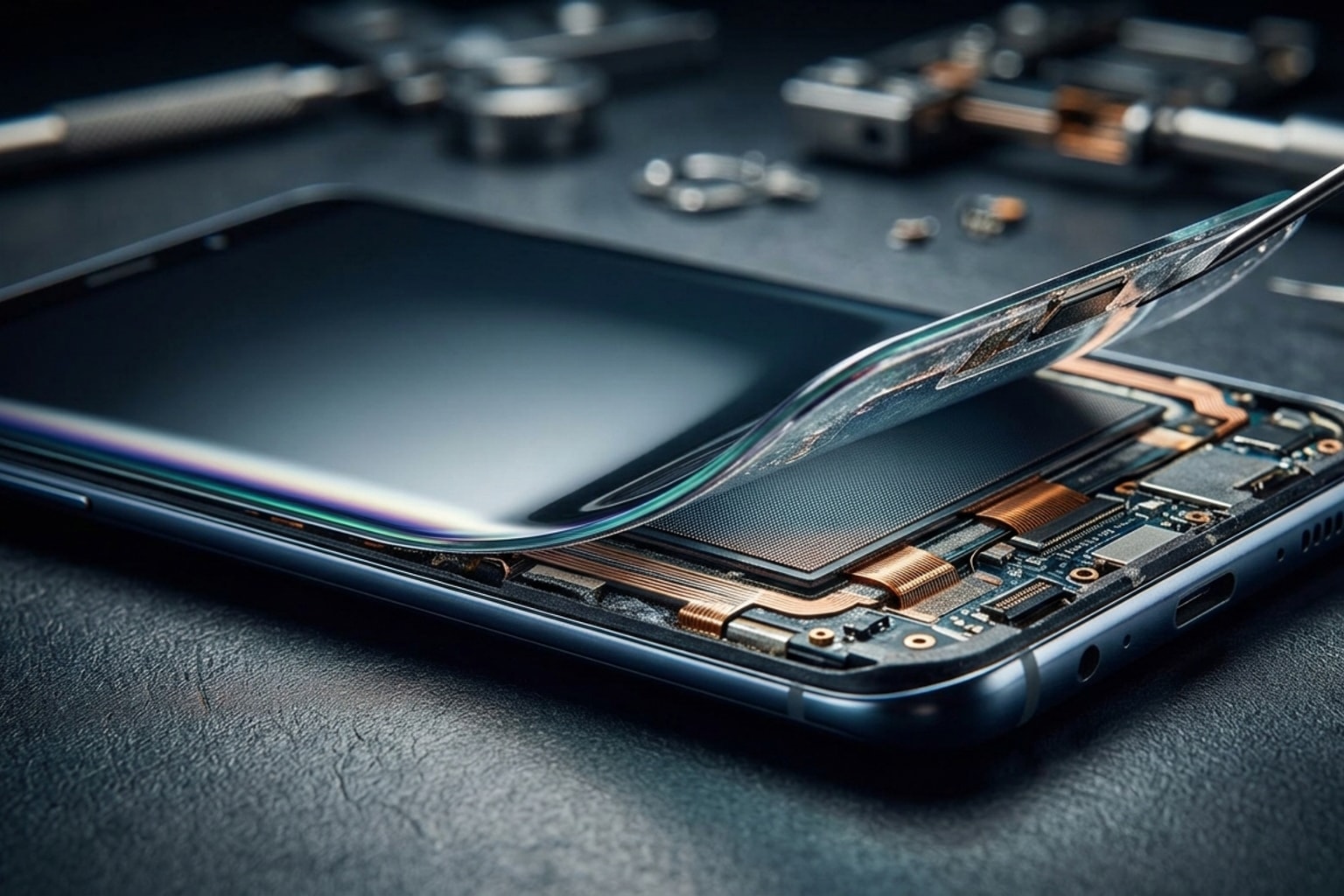
The most pressing physical limitation of any smartwatch is its battery. Because wearable devices must remain compact and lightweight to be comfortable, their internal batteries are extraordinarily small.
Consequently, these tiny power cells must be charged frequently—often daily. This high number of charge cycles leads to rapid chemical degradation.
While a smartphone battery might comfortably last three years before showing severe wear, a smartwatch battery can lose a significant portion of its capacity much sooner, severely impacting the device’s basic utility.
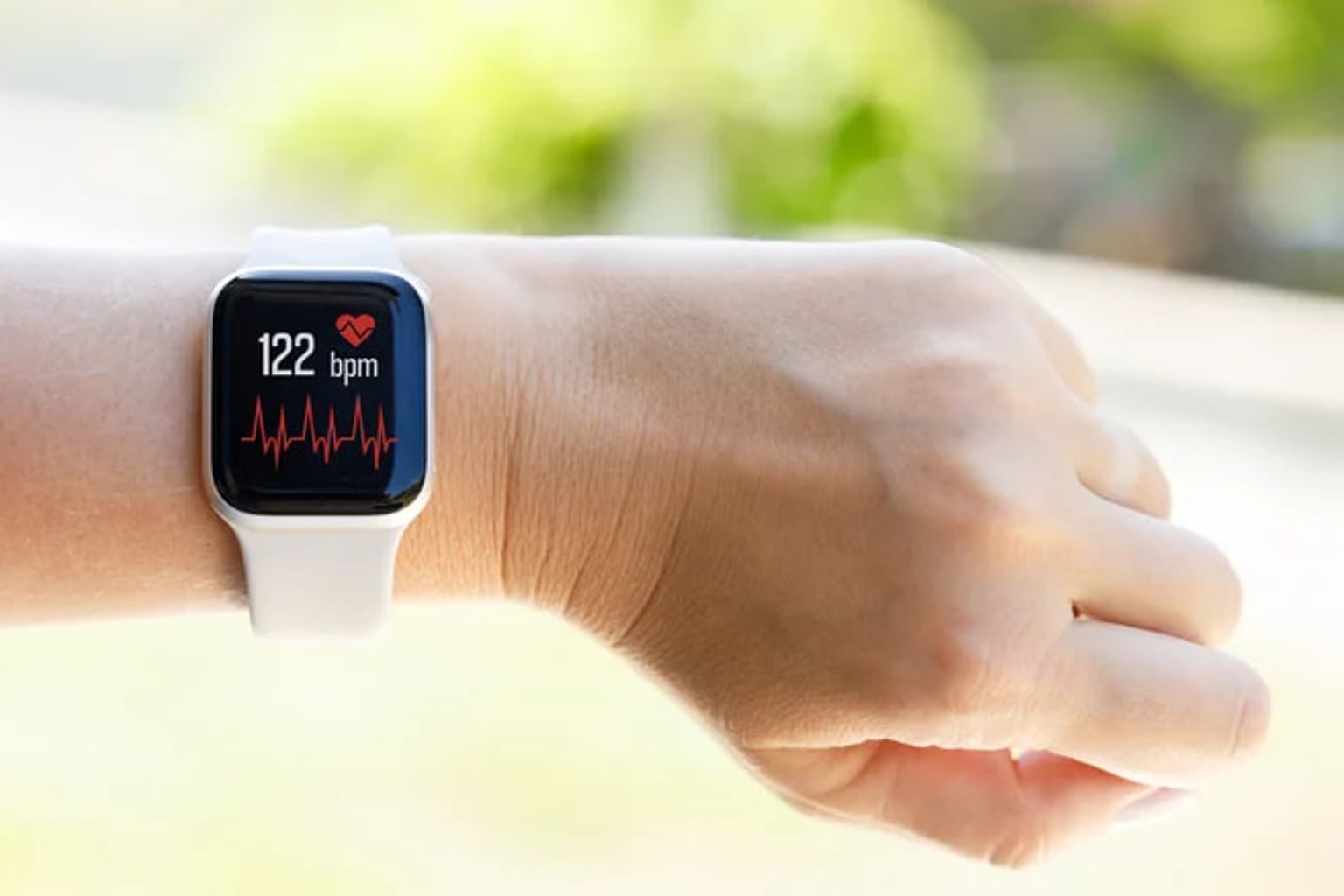
Beyond hardware degradation, the rapid iteration of biometric sensors plays a massive role in consumer behavior. Early smartwatches merely counted steps and mirrored notifications.
Today, new models routinely introduce sophisticated health metrics, from electrocardiograms (ECGs) and blood oxygen monitoring to advanced sleep and temperature tracking. For health-conscious users, the promise of a more accurate or comprehensive picture of their physical well-being creates a powerful incentive to upgrade.
The fear of missing out on a potentially life-saving or fitness-optimizing feature makes the wearable market uniquely dynamic. Also, because these devices are worn on the body, fashion trends and aesthetic degradation—like scratched screens or scuffed casings—also push consumers toward newer models.
What to verify
To fully understand the implications of this rapid upgrade cycle, several secondary metrics require further investigation. First, industry analysts need to quantify the exact average retention period for smartwatches compared to traditional smartphones across different major brands.
Tracking the secondary market for used wearables will also indicate whether these devices are being passed down or simply discarded.
Second, the environmental impact of this trend warrants close scrutiny. Because smartwatches are tightly sealed to ensure water resistance, they are notoriously difficult to repair or recycle.
Investigating the broader e-waste consequences of millions of frequently discarded wearables will be crucial for environmental advocates and policymakers. Finally, it remains to be seen if upcoming advancements in solid-state batteries or more modular wearable designs will eventually slow this aggressive replacement cycle.
Source trail
The primary catalyst for this discussion is a recent report published by BGR, titled “Why Do Smartwatch Users Upgrade Their Device So Often?” can read their full analysis of the wearable market’s unique replacement dynamics directly on their platform.
Also, broader context about consumer electronics lifecycles and recycling challenges provides necessary background for evaluating the sustainability of these trends.
While smartphones have largely reached a plateau of “good enough” performance, smartwatches remain in a phase of rapid hardware and sensor evolution that keeps consumers reaching for their wallets. Driven by tiny batteries that degrade quickly and a constant influx of new health-tracking features, the wearable market thrives on a uniquely accelerated replacement cycle.
This story is highly useful before discussing with friends and family who are heavily invested in fitness tracking, as it sheds light on the hidden costs and hardware realities of our favorite digital accessories.