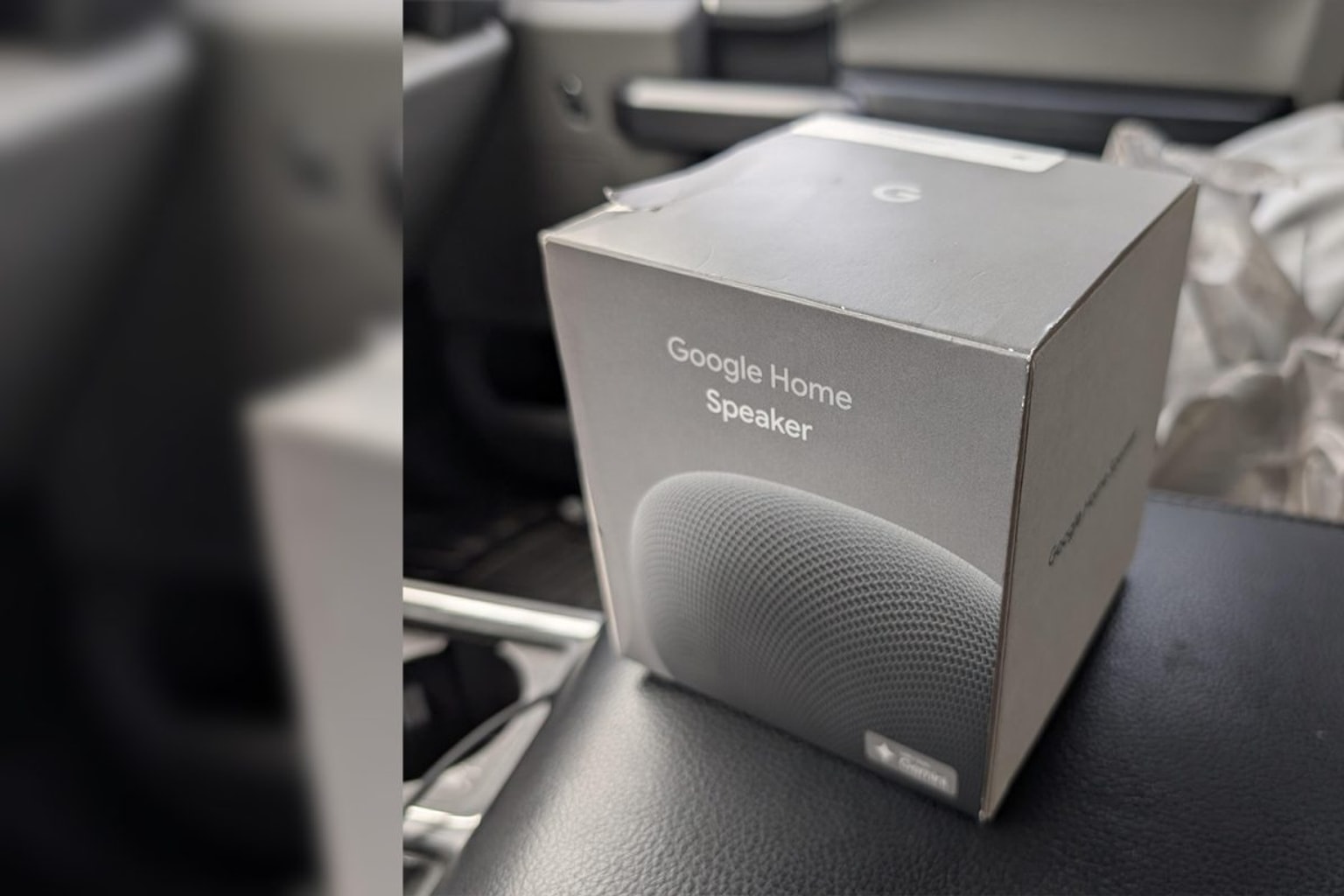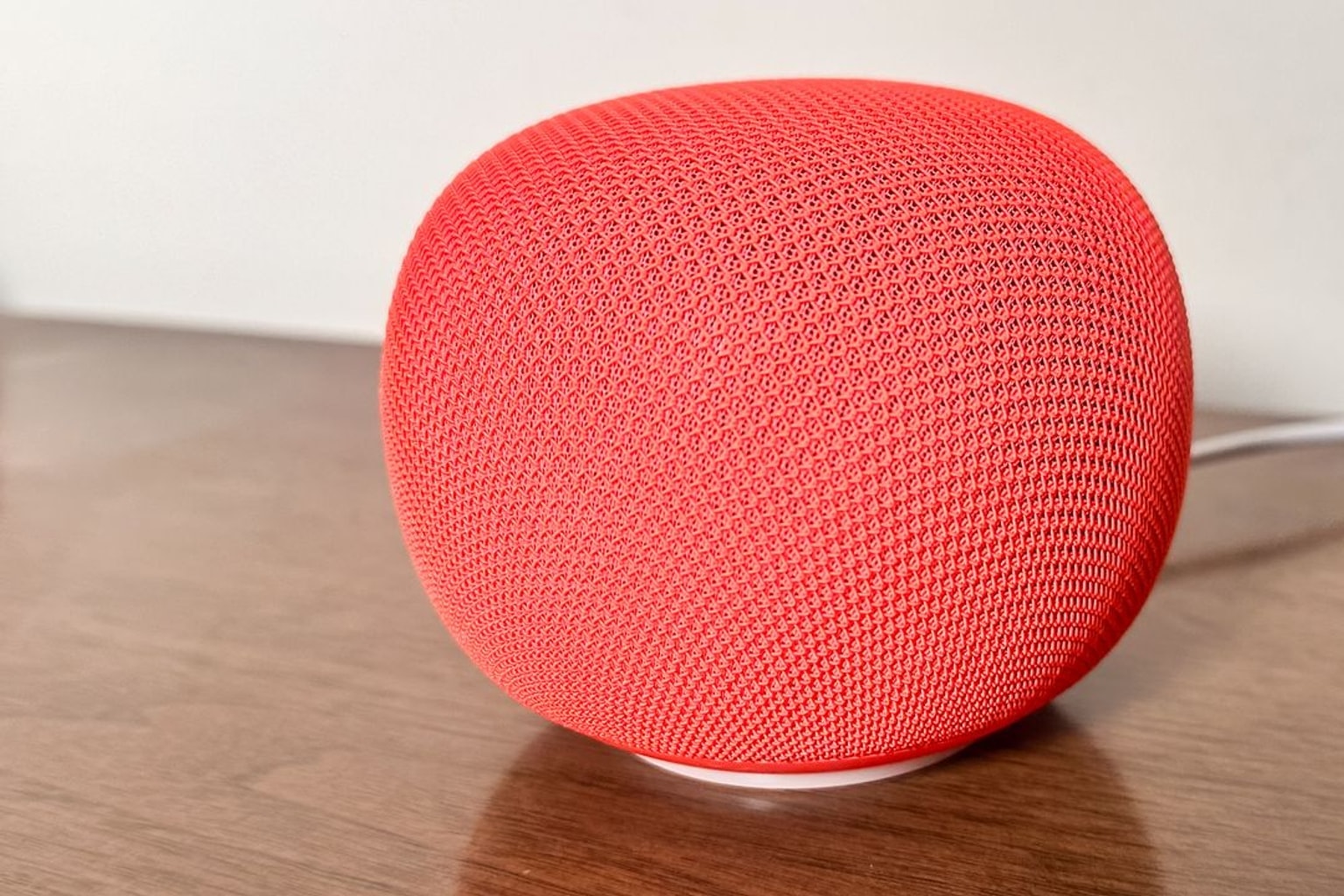
Google has released its new Google Home Speaker. The device features a fresh design but offers only minor hardware upgrades over the older Nest Audio.
Instead, Google’s Gemini artificial intelligence serves as the main attraction for the new hardware.
What happened
Reviewers at [Tom’s Guide](https://www. tomsguide.
com/audio/smart-speakers/google-home-speaker-review) recently tested the new Google Home Speaker. They found the hardware changes to be mostly cosmetic.
The physical design presents a new look for Google’s audio lineup. However, the internal audio components remain largely similar to the previous generation.
The real focus of the device is its software. Google has integrated its Gemini AI to handle all voice commands and daily tasks.
Gemini steps in to replace the traditional Google Assistant system. The new AI processes complex requests and manages more natural, flowing conversations.
Hardware upgrades took a back seat during this product cycle. The tech giant clearly prioritized artificial intelligence integration over speaker performance.
Why it matters
The smart speaker market is shifting its focus. Tech companies are now prioritizing artificial intelligence capabilities over raw audio power and driver sizes.
Gemini represents a major software shift for Google’s home ecosystem. The AI allows the speaker to understand context much better than older voice assistants.
The system handles follow-up questions easily. The AI can also summarize information, draft responses, and control smart home devices more smoothly.
This release signals a broader strategy. Google views its smart speakers primarily as AI delivery vessels.
The physical speaker acts mostly as a microphone and a shell for the cloud-based software. The hardware itself is no longer the main selling point.
The catch
The new hardware is entirely optional for those who want the new AI. Google is bringing the exact same Gemini features to the older Nest Audio.
Owners of the previous generation can access the upgraded voice assistant through a simple software update. They do not need to buy the new device.
Aside from the updated exterior case, the new Google Home Speaker offers very little reason to upgrade. The audio quality improvements are too modest to justify replacing an existing setup.
Shoppers looking for a new smart speaker might find better value elsewhere. Purchasing a discounted older model provides the exact same software experience.
What to verify
Consumers should check the current pricing differences between the new Google Home Speaker and the older Nest Audio. Retailers often heavily discount previous generations after a new launch.
Users should also confirm when the Gemini update will reach their specific devices. Major software rollouts frequently happen in staggered stages across different regions.
Audiophiles may want to test the sound profile in person. Even minor hardware tweaks can affect bass response and treble balance.
Buyers should verify if any specific Gemini features require a paid subscription. Google sometimes limits advanced AI tools to premium tiers.
Source trail
The primary details come from a June 2026 hardware review published by [Tom’s Guide](https://www. tomsguide.
com/audio/smart-speakers/google-home-speaker-review). The publication tested the new device and compared its performance directly to the older Nest Audio.