For years, the curved display was the undisputed hallmark of a premium Android smartphone. When a device featured glass that cascaded dramatically over its left and right edges, it instantly signaled luxury, cutting-edge technology, and a premium price tag.
Consumers marveled at the bezel-less illusion, and hardware manufacturers leaned heavily into the aesthetic to differentiate their flagship models from the flat, utilitarian screens of their competitors. Today, Still, the landscape looks remarkably different.
The curved screen trend is quietly fading into smartphone history, increasingly replaced by a return to flat, practical glass.
Why it matters
The conversation surrounding this design reversal has been reignited by a recent retrospective from tech publication BGR, which examines why Android manufacturers have steadily abandoned the curved display. While the transition did not happen overnight, the cumulative effect is now impossible to ignore across the broader mobile industry.
Flagship devices released in recent cycles have noticeably dialed back the dramatic edge curves or eliminated them entirely.
This shift in smartphone design is a fascinating discussion point to share with tech enthusiasts who remember the era of extreme screen edges, as it perfectly illustrates how consumer feedback eventually outweighs pure aesthetic marketing. The industry is acknowledging that what looks best in a promotional render does not always function best in the palm of a hand.
As smartphone prices have climbed and upgrade cycles have lengthened, buyers are increasingly prioritizing longevity and daily reliability over flashy visual gimmicks.
The catch
At the core of this hardware transition is a clash between striking visual design and everyday usability. While curved displays successfully minimized side bezels and made large phones feel slightly narrower, they introduced a host of practical frustrations. People tracking this trend are likely reflecting on their own experiences with accidental palm touches—where the fleshy part of the hand inadvertently triggers an action on the curved edge while simply holding the device.
Also, durability and maintenance have proven to be significant pain points. Curved glass is notoriously more fragile and exposes more of the screen to impact during a drop.
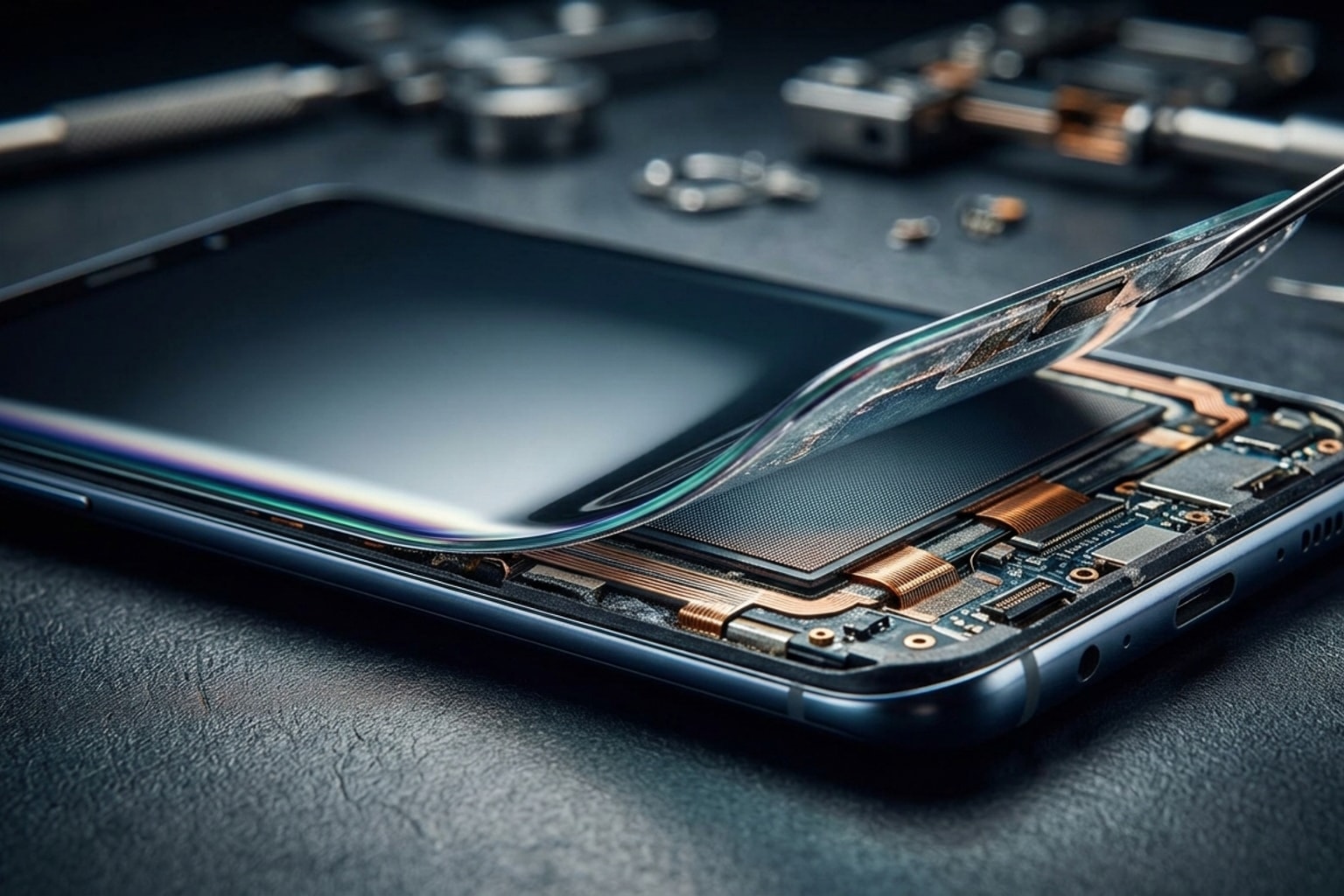
When a curved display breaks, the replacement cost is typically much higher than that of a standard flat panel. Also, applying a reliable, long-lasting tempered glass screen protector to a curved edge has always been an exercise in frustration for consumers, further driving the demand for traditional, flat-screen geometry.
Another subtle but persistent issue has been visual distortion. The steep angle of the glass often creates a noticeable band of glare or a slight color shift along the edges of the device, particularly when viewing content with light backgrounds or watching full-screen video.
By returning to flat displays, manufacturers are able to guarantee color accuracy and brightness uniformity across the entire viewing area.
What to verify
As the mobile market continues to evolve, there are several specific data points and hardware trends that industry watchers should look to verify. First, it is worth tracking the exact flagship models from major manufacturers to see if the curve has been universally eradicated across all their premium tiers, or if certain brands are holding out.
Second, analysts should investigate whether curved displays are experiencing a second life in the mid-range smartphone market, where older premium features are sometimes recycled to add perceived value. Finally, it remains to be seen if the reduction in curved glass will lead to a measurable decrease in out-of-warranty screen repair costs for consumers.
Source trail
Android manufacturers are quietly phasing out curved displays, moving away from an aesthetic that once defined premium smartphones. Driven by user frustrations over accidental touches, fragile edges, visual distortion, and difficult screen protector applications, the industry is returning to the practical reliability of flat screens.
The primary signal for this industry shift comes from a recent report by BGR analyzing the decline of the curved Android display. For broader context on smartphone design evolution and consumer tech trends, people can monitor ongoing coverage at The Verge’s tech section.
What to watch next
The useful follow-up is not only that Why Some Android Manufacturers Stopped Using Curved Displays is circulating, but whether the next reports add verifiable detail: dates, locations, measurements, documents, expert review, or a primary record that the public can inspect. The source trail includes more BGR coverage while watching for primary-source updates. Until those details are public, the careful version is to treat the story as interesting evidence in motion rather than a finished conclusion.
That is also why the story is worth treating carefully. It gives the update a concrete object or event to follow, but it should travel with the limits still attached: what is known now, what remains provisional, and what would make the claim stronger when the next update arrives.