For years, the iPhone’s built-in automation capabilities have sat largely untouched by the average user. While power users have celebrated the ability to string together complex commands, the interface often felt more like a programming environment than a consumer-friendly utility.
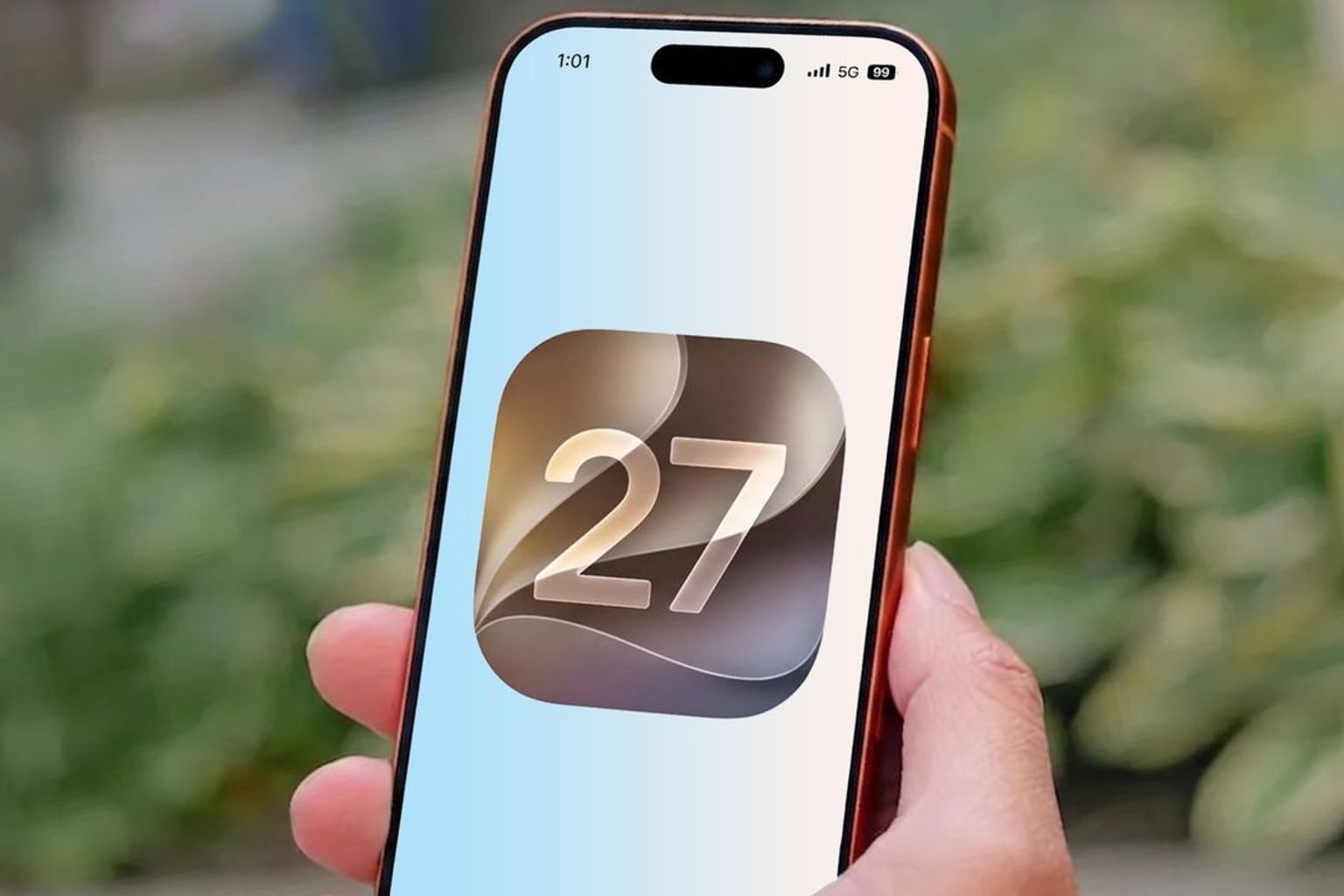
For anyone who has ever abandoned a complex phone automation halfway through, this shift in how iOS handles daily tasks is relevant for least tech-savvy friends. With the arrival of iOS 27, that steep learning curve appears to be flattening entirely, thanks to a deep integration with generative capabilities.
Why it matters
The tech community is now focused on a significant shift in Apple’s mobile operating system, highlighted by a recent hands-on report from Tom’s Guide. According to the publication, the historically intimidating Shortcuts app has received a massive overhaul in iOS 27.
The primary catalyst for this renewed interest is the introduction of Apple Intelligence directly into the shortcut creation process.
Instead of requiring users to manually select triggers, variables, and sequential actions, the updated software allows individuals to simply describe what they want to achieve. The system’s artificial intelligence then designs the custom routine automatically.
This effectively removes the friction that has kept everyday users away from one of the iPhone’s most powerful native tools, transforming a complex logic puzzle into a simple conversational request.
The catch
Beyond the initial novelty, everyday smartphone owners are trying to grasp how reliable this automated design process actually is in practice. The Shortcuts app has always required exact parameters to function correctly; if a variable was out of place, the entire sequence would fail. The central question is whether Apple Intelligence is sophisticated enough to understand nuanced, multi-step requests—such as automatically texting a family member, pulling up a specific transit route, and launching a preferred podcast the moment the user leaves their office building.
Also, consumers are curious about the limits of this new capability. They are looking to understand whether these AI-generated workflows are restricted to Apple’s native ecosystem of applications, or if they can seamlessly hook into third-party software.
There is also a broader curiosity about how much time this will actually save compared to the traditional method of digging through menus to achieve the exact same daily results.
What to verify
As early software builds of iOS 27 continue to circulate, several key technical details remain to be confirmed. First, independent reviewers need to test the hardware limitations of this feature.
Because advanced on-device processing often requires substantial computational power, it is vital to verify which specific iPhone models will actually support these AI-generated automations and which older devices might be left behind.
Also, privacy advocates will be watching closely to see how the operating system handles the data required to build these routines. We must verify what kind of cross-app permissions are granted to the artificial intelligence when it constructs a shortcut, and whether any of the natural language processing relies on cloud computing rather than secure, on-device execution.
Source trail
The primary signal for this development comes from a hands-on experience detailed by Tom’s Guide, which explores the practical benefits of the iOS 27 update. For broader context on how the company is integrating these features across its ecosystem, observers can look to Apple’s official machine learning portals outlining their ongoing privacy and processing standards.
The iOS 27 update fundamentally changes the iPhone’s Shortcuts app by using Apple Intelligence to automatically build complex routines from simple text prompts. This upgrade promises to democratize device automation, turning a highly technical utility into an accessible, everyday tool for the average smartphone owner.