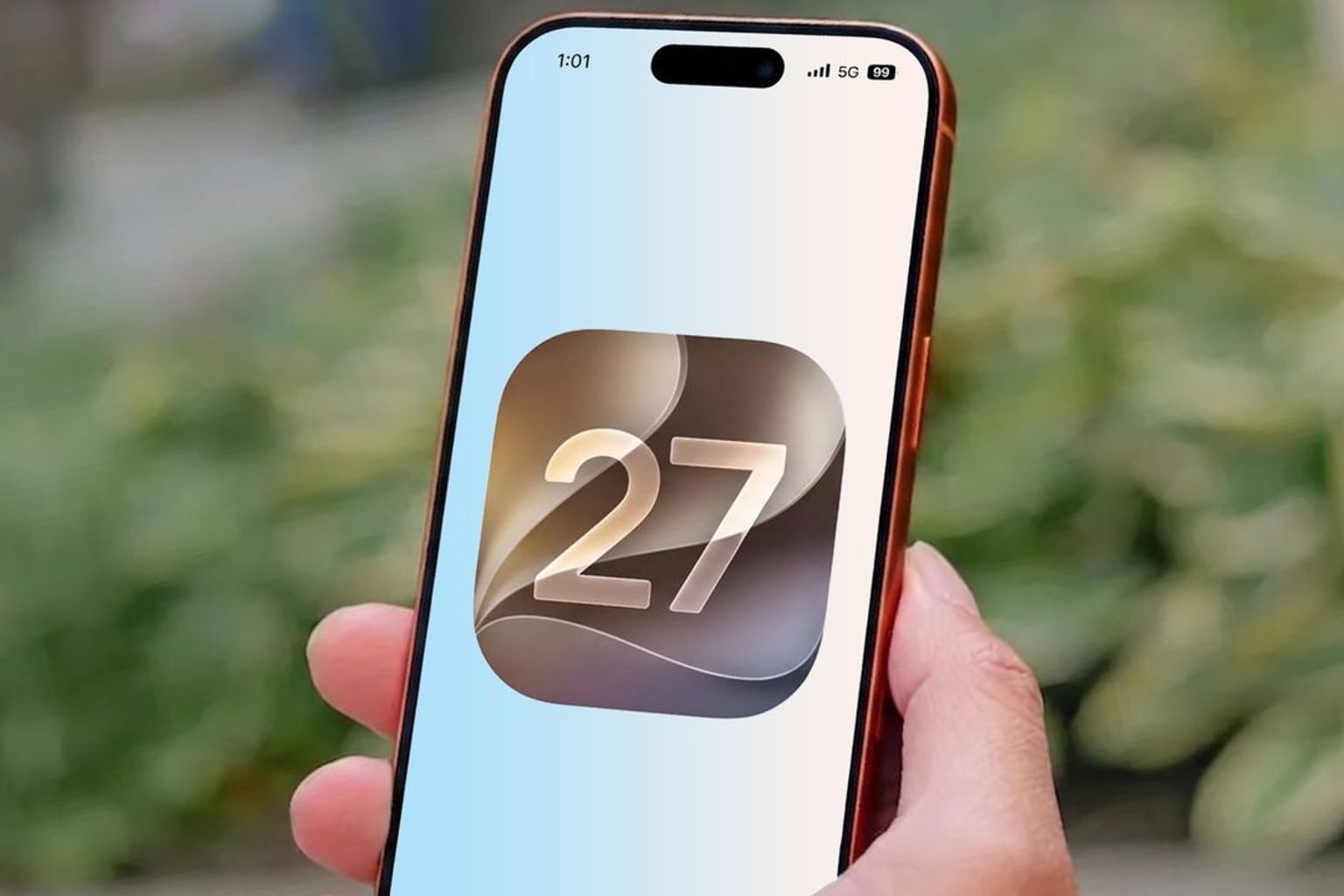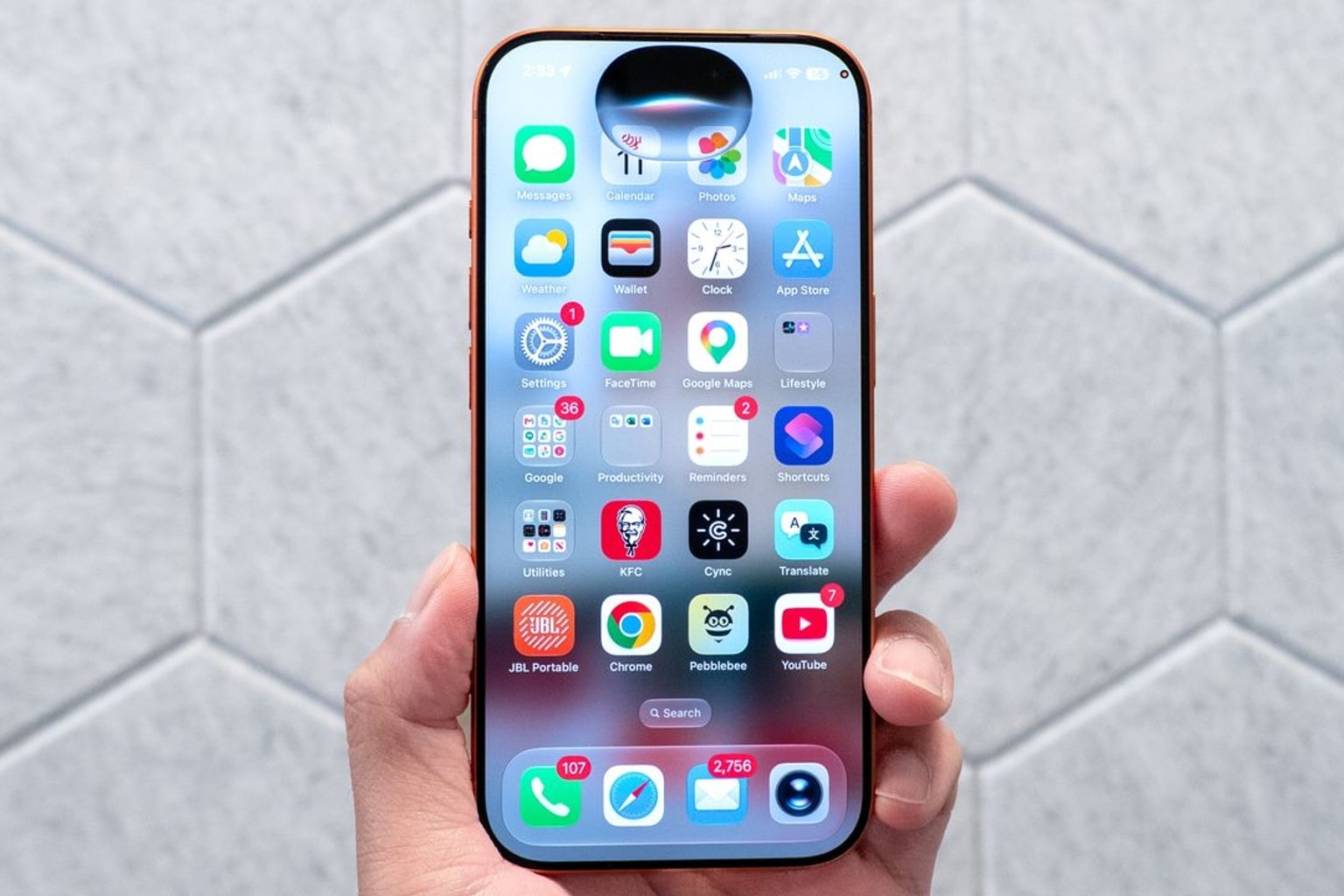
Apple’s annual software conference (WWDC26) made one thing abundantly clear: artificial intelligence is the company’s reigning priority. The keynote presentation for iOS 27 leaned heavily into next-generation Siri capabilities and under-the-hood performance gains, leaving traditional software tweaks somewhat in the shadows.
Still, a recent deep dive by Macworld highlights that the upcoming operating system still harbors a variety of quality-of-life improvements that have absolutely nothing to do with machine learning or algorithmic generation. The detail matters for anyone who feels overwhelmed by the relentless push toward AI and simply wants to know how their iPhone’s daily usability will actually change this fall.
Why it matters
Every year, the tech community meticulously dissects Apple’s major software announcements to gauge the trajectory of consumer electronics. Following the WWDC26 keynote, the dominant narrative naturally centered on the highly anticipated evolution of Siri and broader system-wide intelligence.
According to early coverage from Macworld, Apple dedicated this year’s software cycle to making devices smarter and more efficient.
Yet, as the initial dust settles, tech enthusiasts and everyday users alike are beginning to comb through the early beta. They are actively seeking out the subtle, non-AI adjustments—like interface tweaks, widget updates, or native app redesigns—that often have a more immediate impact on muscle memory and daily workflow than overarching artificial intelligence integrations.
The conversation is shifting from the abstract promises of AI to the concrete realities of tapping and swiping.
The catch
Beyond the flashy keynote demonstrations, consumers are trying to figure out if iOS 27 offers enough tangible value to justify an update if they choose to opt out of the new AI features. There is a growing segment of the user base that remains skeptical of automated assistants and generative tools, preferring a traditional, manual smartphone experience. For these users, the core question is whether Apple has neglected basic interface refinement in favor of chasing industry trends. By highlighting seventeen distinct features entirely separate from Siri, analysts are reassuring the public that the fundamental iPhone experience is still receiving attention. The practical question is exactly what these hidden features entail, how they improve core applications like Messages, Wallet, or Weather, and whether the promised performance gains will breathe new life into older hardware that might not even support the most advanced AI functions.
What to verify
As iOS 27 moves through its beta testing phases, several elements require independent verification. First, reviewers will need to test the specific non-AI features highlighted in early hands-on testing to see if they function reliably outside of a controlled environment.
Second, it is crucial to monitor how these traditional updates affect battery life and system resources, especially on legacy devices. Third, tech journalists will be watching to see if any of these standard features are quietly delayed or removed before the final public release expected this autumn.
Finally, users should keep an eye on Apple’s official release notes to confirm hardware compatibility requirements for both the AI-driven tools and the standard quality-of-life upgrades.
Source trail
The primary signal for this discussion stems from a June 2026 report by Macworld, which cataloged seventeen favorite iOS 27 features unrelated to Siri or AI. The broader context originates from Apple’s WWDC26 keynote presentation, which established the company’s current software priorities.
While Apple’s iOS 27 is undeniably marketed as a massive leap forward for Siri and device intelligence, the update is not entirely devoid of traditional software craftsmanship. Early beta explorations reveal that beneath the heavy layer of artificial intelligence, there are still numerous practical, everyday enhancements waiting to be discovered by users who prefer a classic smartphone experience.