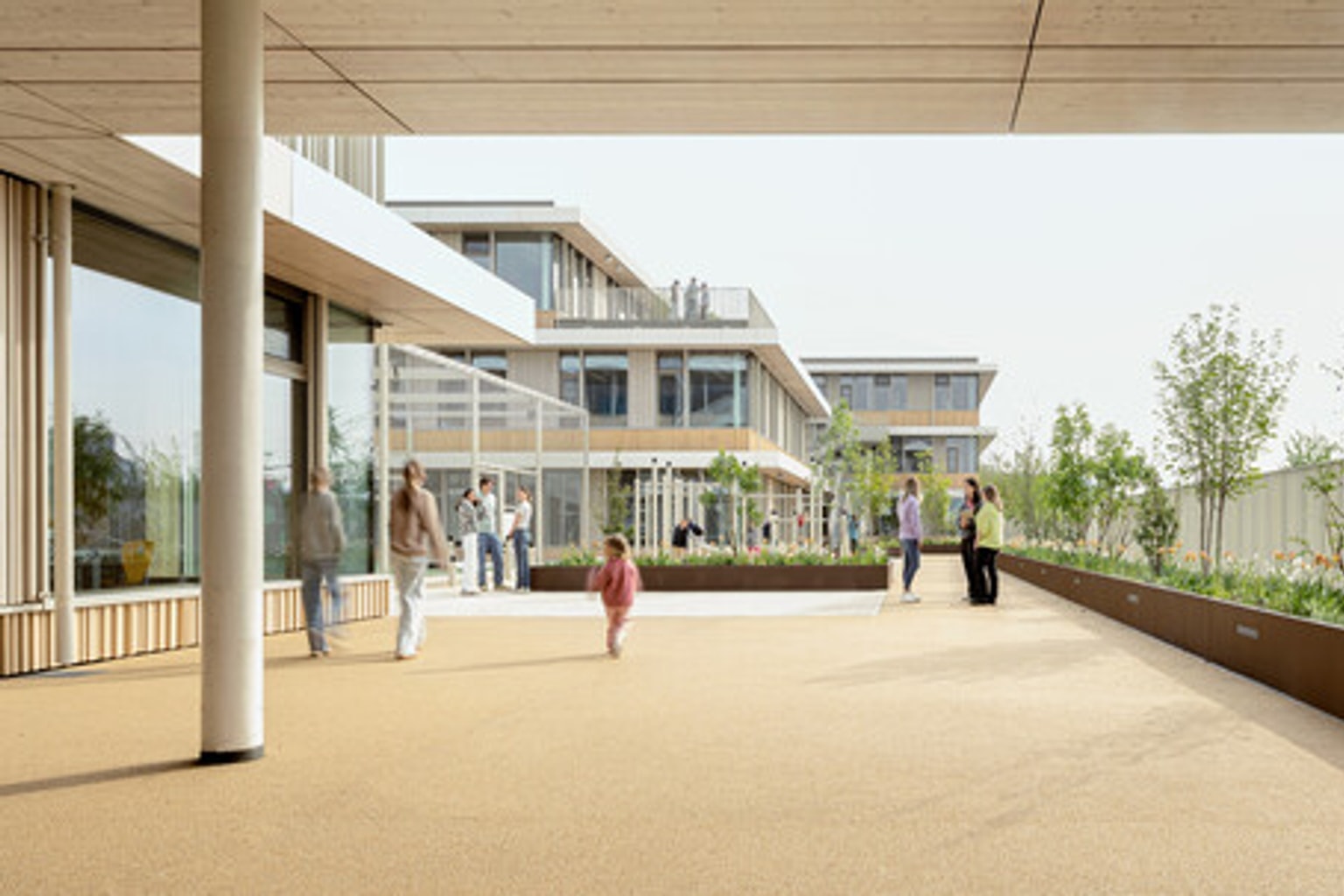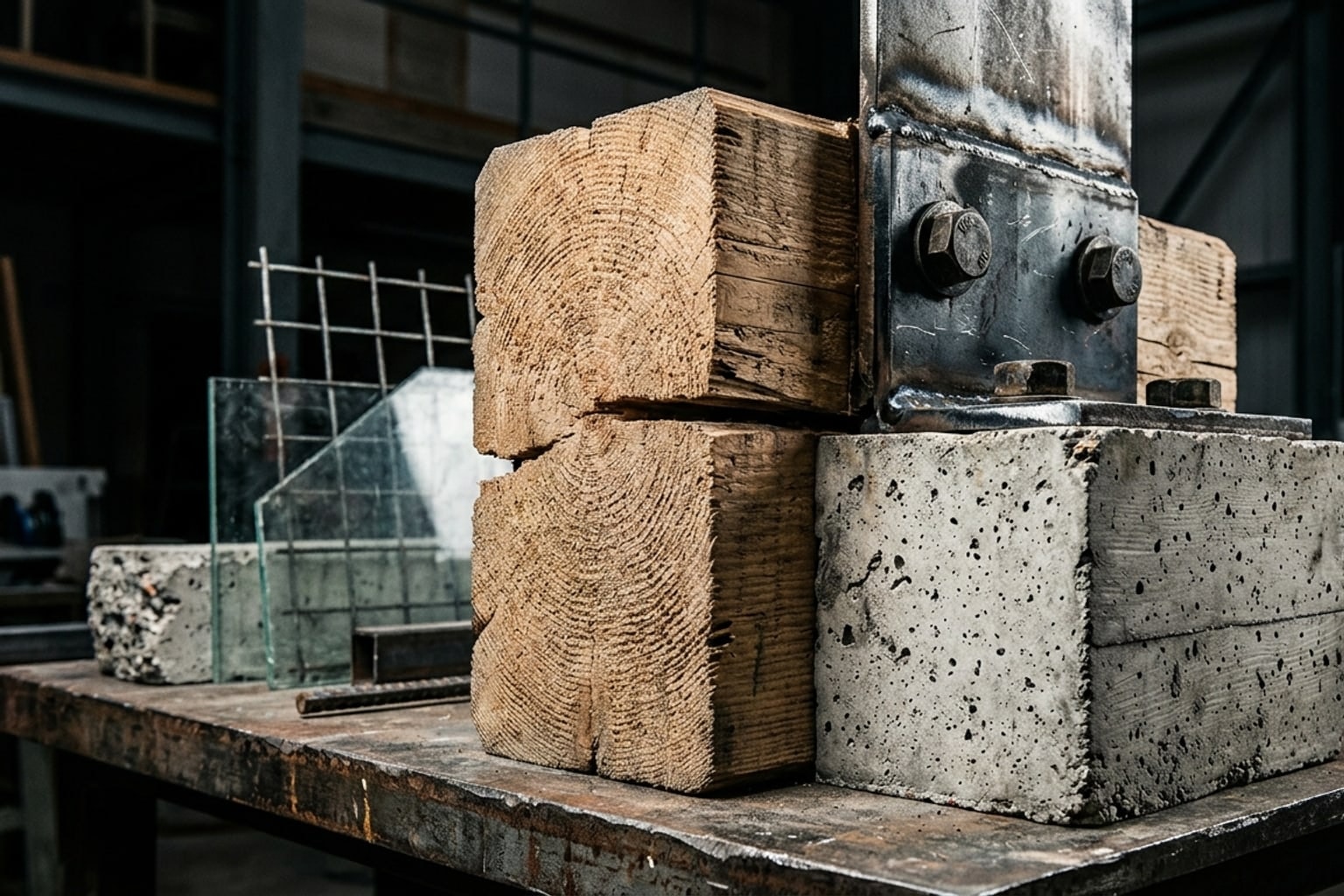
The renowned Swiss architecture studio Herzog & de Meuron has officially completed its new headquarters in Basel, a massive 7,259-square-metre facility located on Mailand-Strasse. Designed to serve as a permanent home for the firm’s own teams, the building stands as a physical manifestation of the studio’s design philosophy.
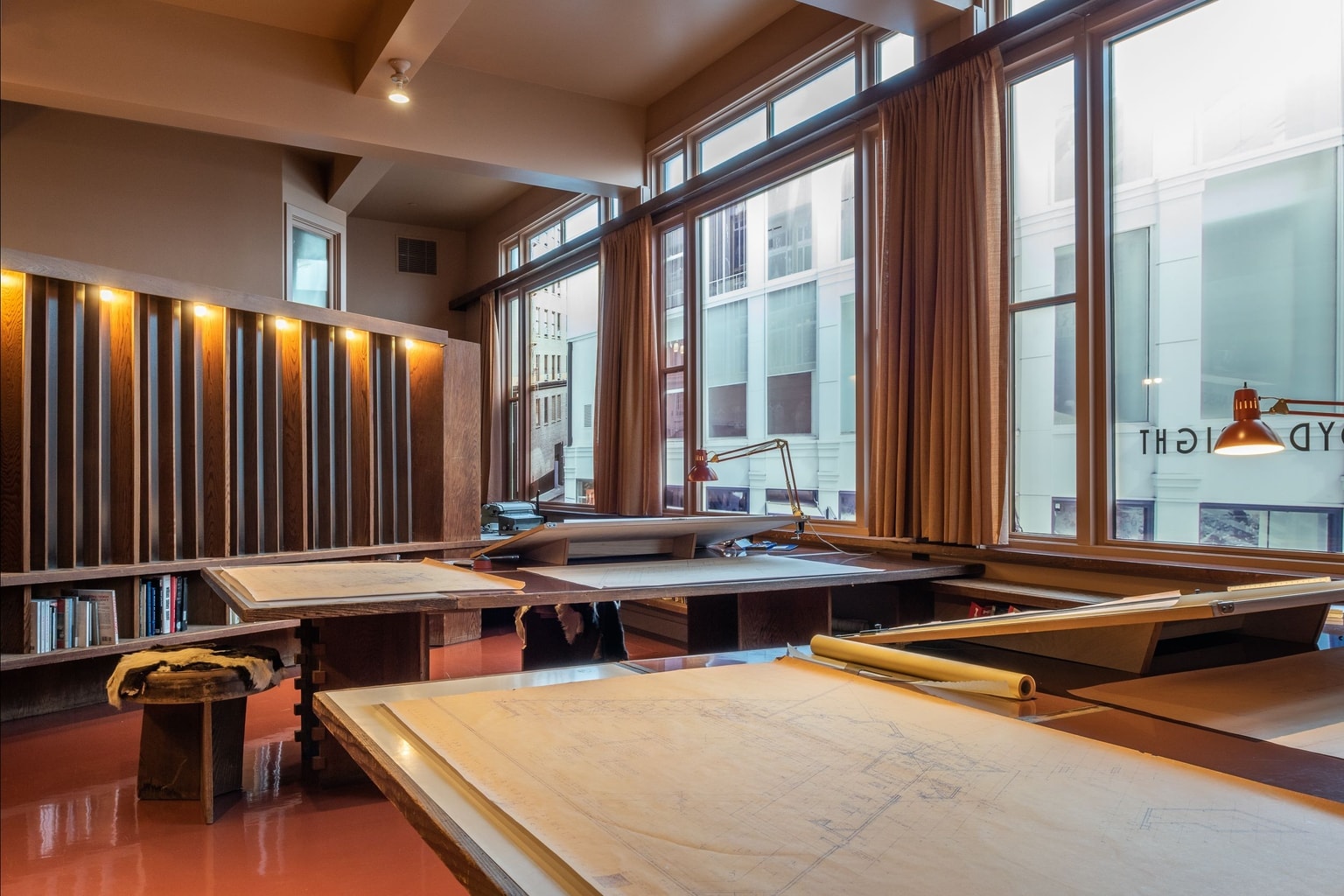
Rather than a polished corporate office, the space has been conceptualized as a “repository of materials,” using a raw and expressive palette of exposed timber, concrete, and metal.
For enthusiasts of contemporary architecture and design professionals alike, this development offers a rare glimpse into how one of the world’s most influential firms creates an environment for its own creative workforce. This story is particularly worth sharing with design students and workplace strategists because it challenges conventional office aesthetics, proving that functional, infrastructure-inspired spaces can foster high-level creative work.
Why it matters
The architectural community is now buzzing following the recent announcement of the Mailand-Strasse project’s completion. When a high-profile firm like Herzog & de Meuron—known for iconic global structures like the Tate Modern in London and the Elbphilharmonie in Hamburg—turns its attention inward to design its own workspace, it naturally attracts significant industry attention.
The news is moving primarily because the studio has finally secured a permanent, purpose-built home in its founding city of Basel. According to initial reports, the design leans heavily into concepts of “logistics and infrastructure.”
This utilitarian approach resonates strongly in the current architectural climate, where there is a growing appreciation for honest, unadorned materials and highly functional spaces over superficial ornamentation. The sheer scale of the 7,259-square-metre building also signals a major milestone in the firm’s operational history, reflecting both its current size and its long-term commitment to remaining anchored in Switzerland.
The catch
Beyond the basic facts of the building’s completion, people are looking to decode what a “repository of materials” actually means in practice. In architectural terms, this phrase suggests a space that is highly tactile and perhaps even educational for the staff working within it. By leaving timber, concrete, and metal exposed, the building likely serves as a living library of construction techniques and material behaviors, allowing architects to observe how these elements age and interact over time.
Also, observers are trying to understand how the theme of “logistics and infrastructure” translates into a daily workplace environment. Typically, infrastructure implies efficiency, movement, and durability.
People are curious whether this means the office features open-plan industrial layouts, visible utility routing, or flexible spaces that can be reconfigured as project demands shift. There is also an underlying curiosity about how an architecture firm navigates the unique challenge of being its own client, balancing ambitious design ideals with the practical constraints of budget and daily operational needs.
What to verify
While the initial details provide a strong sense of the building’s aesthetic and conceptual foundation, several aspects of the Mailand-Strasse project remain to be fully explored.
First, independent verification of the building’s environmental performance is necessary. Given the extensive use of concrete and metal—materials traditionally associated with high embodied carbon—it will be important to investigate what specific sustainability measures or sourcing strategies the firm employed to offset these impacts.
Second, journalists and critics will need to examine the interior spatial dynamics. How does the “logistics” framework actually support the collaborative needs of modern architectural teams?
We need to verify the specific layout strategies used for model-making workshops, digital design labs, and client presentation areas.
Finally, it remains to be seen whether any part of this massive 7,259-square-metre facility will be accessible to the public, or if it will remain a strictly private enclave for the firm’s employees and invited guests.
Source trail
The primary details about the completion of the Mailand-Strasse headquarters, including its size and conceptual framework, were reported by Dezeen. For broader context on the historical impact and previous projects of the firm, further context appears in the extensive archives maintained by the Pritzker Architecture Prize, which awarded the founders its highest honor.
Herzog & de Meuron has established a permanent new headquarters for itself in Basel, completing a 7,259-square-metre building on Mailand-Strasse. Designed around the concepts of infrastructure and logistics, the facility functions as a “repository of materials,” prominently featuring exposed concrete, timber, and metal to create a highly functional, raw environment for its architectural teams.