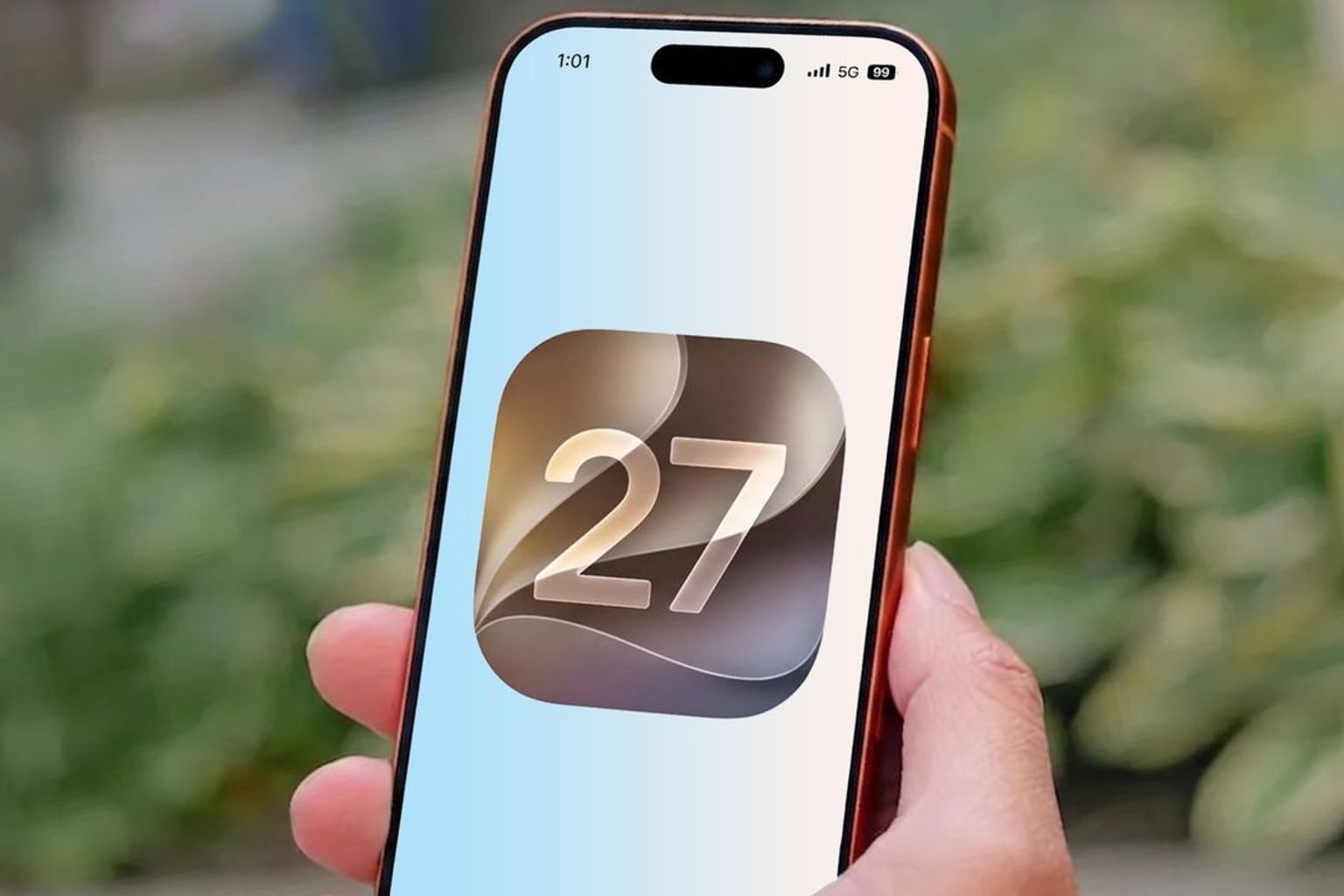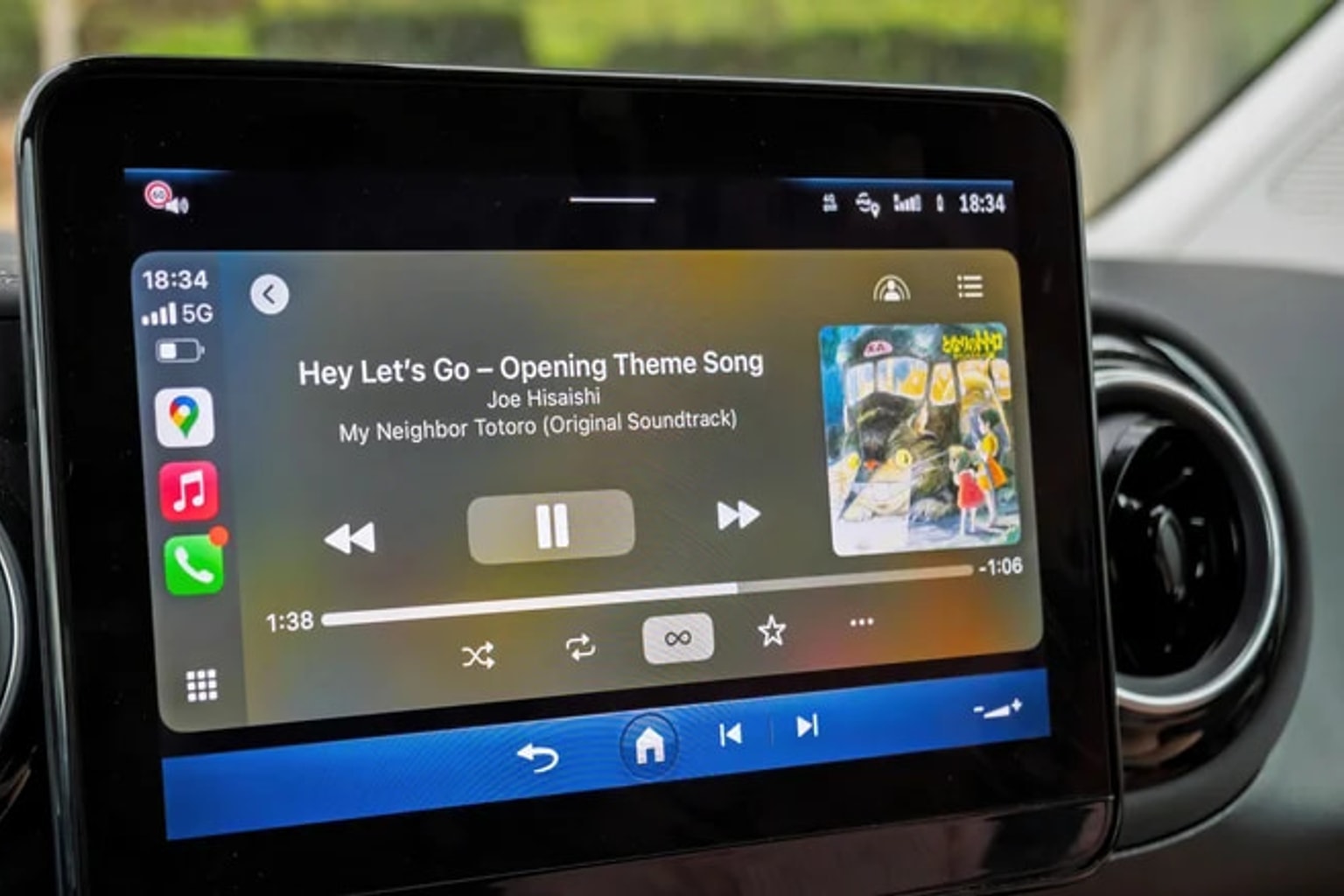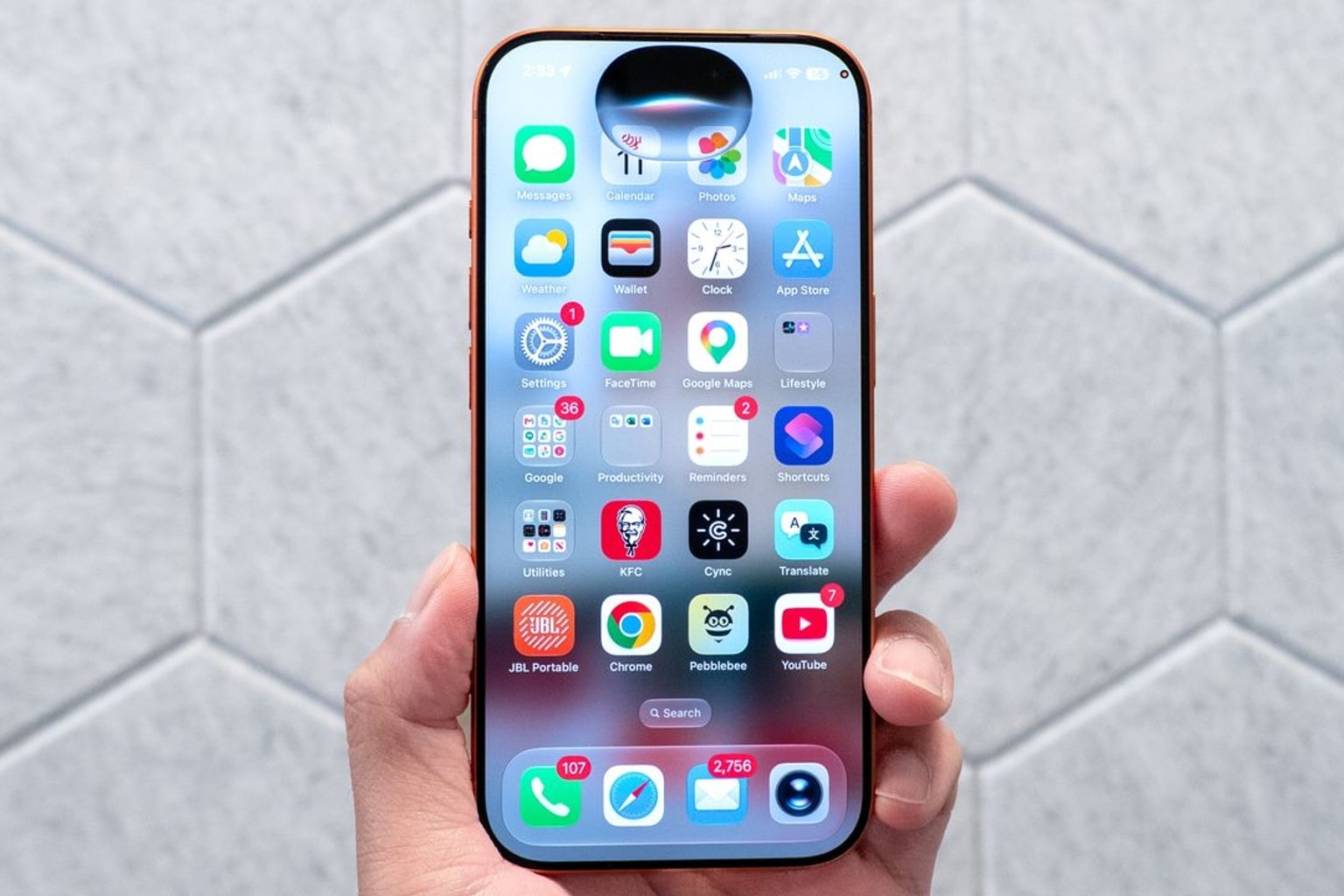
When Apple introduces a new iteration of its mobile operating system, the announcement is invariably accompanied by promises of enhanced speed and overall systemic improvements. With the recent rollout of the iOS 27 early test version, the tech giant has explicitly claimed that the new software runs significantly smoother than its predecessor, iOS 26.
This assertion has immediately prompted independent tech journalists to rigorously evaluate the operating system in real-world scenarios. For anyone debating whether to install the early beta on their primary device or hold off until the official public release, understanding these early performance benchmarks is essential reading useful for fellow iPhone users.
Why it matters
The conversation surrounding iOS 27 is gaining immediate traction because the early test version has just become available for initial testing. According to a recent evaluation by Tom’s Guide, reviewers are actively putting Apple’s specific claims of a “much smoother” experience to the test.
Historically, early software team betas are notoriously unstable, often plagued by battery drain and minor interface glitches. When Apple makes a definitive statement about the immediate responsiveness and fluidity of a beta build compared to a mature, fully patched operating system like iOS 26, it sets a remarkably high bar.
Tech enthusiasts are now downloading the update en masse, generating a surge of online discourse as they compare their anecdotal experiences against the official marketing narrative. The primary driver of this news cycle is the direct comparison between corporate promises and empirical, hands-on testing.
The catch
Beyond the headline claims of improved fluidity, consumers are attempting to decode what “smoother” actually means in daily operation. The practical demand is for concrete metrics: does this translate to faster application launch times, more rapid multitasking transitions, or simply higher frame rates during interface animations?
Also, there is a critical question of hardware compatibility. While iOS 27 might run flawlessly on the latest flagship devices equipped with Apple’s newest silicon, people are deeply invested in knowing how this update impacts older hardware.
A common concern with major software updates is the potential for degraded performance on aging processors. Users want to know if the promised smoothness is a universal feature of the new code base, or if it is an exclusive benefit for those who have recently upgraded their smartphones.
They are also trying to gauge the risk-to-reward ratio of installing a early test version, weighing the appeal of new features against the likelihood of software bugs.
What to verify
As the testing phase continues, several key metrics require independent verification before definitive conclusions can be drawn. First, reviewers must systematically test iOS 27 across a diverse range of supported iPhone models to see if the performance gains are consistent across different generations of processors.
Secondly, battery life remains a crucial variable. An operating system might feel incredibly smooth, but if that fluidity comes at the cost of severe battery degradation, it will not be considered a successful upgrade.
Analysts will need to monitor power consumption over extended periods. Finally, it is vital to track the software’s evolution through subsequent beta releases via the Apple Beta Software Program leading up to the final public version.
Source trail
The primary signal for this developing story comes from initial hands-on testing and reporting by Tom’s Guide, which is now evaluating the iOS 27 early test version against the established baseline of iOS 26. This testing aligns with the broader tech media’s coverage of Apple’s annual software announcements.
Apple’s bold claim that the newly released iOS 27 early test version operates much smoother than iOS 26 is now facing rigorous real-world testing. While early promises of enhanced responsiveness are enticing, independent reviewers are actively working to determine if these performance gains hold true across various devices and daily usage scenarios.