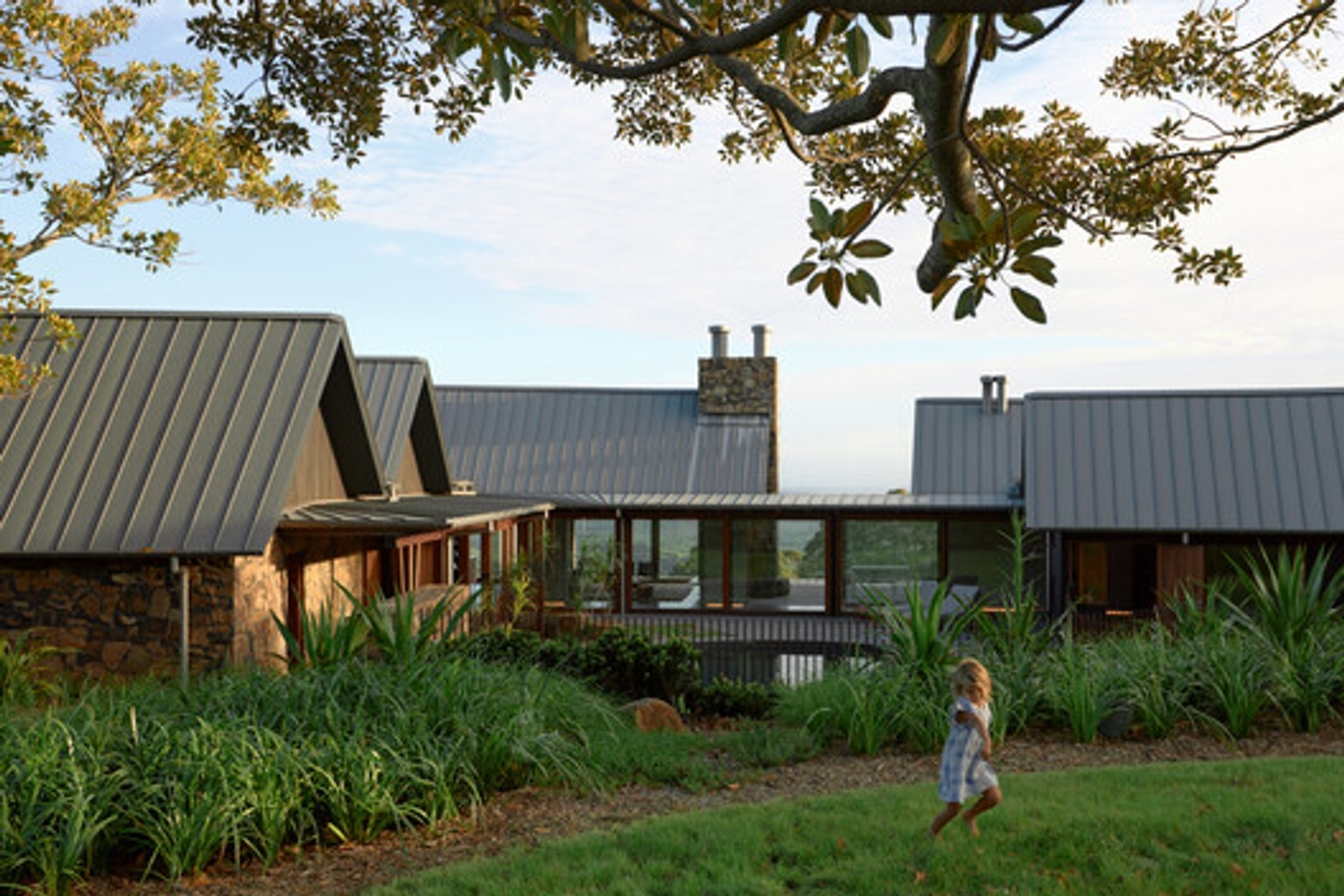
The intersection of modern family life and the rugged outdoors is a perennial challenge in residential design. Recently, the architectural community was given a new case study to examine: the Saddleback Mountain House, designed by the acclaimed firm Casey Brown Architecture.
After an extensive eight-year period of meticulous planning and construction, this long-awaited residential project has finally come to fruition. Architecture enthusiasts and nature lovers will find this project worth sharing for its profound dedication to harmonizing daily family living with an immersive, untamed natural environment.
Why it matters
The architectural sector is now buzzing about the Saddleback Mountain House following its recent publication on ArchDaily Global, a leading platform for architectural news and project showcases. The sudden visibility of the project is driving interest across design and culture sectors, particularly among those tracking the evolution of rural residential architecture.
The project’s eight-year gestation period adds a distinct layer of prestige and curiosity. In an era where rapid construction is often prioritized, a near-decade-long commitment to a single-family home signals a highly bespoke, deeply considered approach to building.
The clients specifically requested a home that actively responds to its landscape, a mandate that resonates strongly with contemporary cultural shifts toward biophilic design and outdoor-centric lifestyles. As remote work and rural relocation continue to influence housing trends, case studies like this one serve as high-profile benchmarks for integrating modern families into wilder topographies.
The catch
Beyond the striking visual documentation, the open question is the specific architectural mechanics that allow the Saddleback Mountain House to fulfill its primary brief. The core question is how Casey Brown Architecture translated the abstract desire for a home that “responds” to the landscape into concrete structural decisions.
The practical demand is for details on the spatial arrangement and how the floor plan accommodates growing children while maintaining an unbroken connection to the outdoors. They want to understand the materiality of the structure—whether the architects utilized local stone, sustainable timber, or weather-resistant metals to withstand the elements typical of a mountainous region.
Also, the eight-year timeline is a major point of intrigue. Audiences are keen to know if this extended duration was due to complex site topography, stringent environmental regulations, bespoke material sourcing, or the evolving needs of the family during the design phase.
What to verify
Because the initial project summary provides a high-level overview, several specific details require further investigation to fully grasp the scope of the Saddleback Mountain House. First, the exact geographic location and climatic conditions of the site must be confirmed, as “Saddleback Mountain” can refer to several distinct peaks globally, though Casey Brown Architecture’s prominent portfolio suggests an Australian context.
Journalists and architecture critics should also verify the specific sustainable technologies integrated into the home. Assessing whether the house relies on off-grid capabilities, passive solar heating, or rainwater harvesting will provide a clearer picture of its environmental footprint.
Finally, securing detailed floor plans or interviews with the lead architects would clarify how the interior spaces are zoned to support the dynamic lifestyle of a growing family over time.
Source trail
The primary signal for this development is the project feature published by ArchDaily Global, which highlights the conceptual framework and the eight-year journey of the build. For broader context on the firm’s approach to landscape-driven design, further context appears in discussions on contemporary rural architecture that frequently feature similar long-term residential projects.
The Saddleback Mountain House by Casey Brown Architecture is the culmination of an eight-year endeavor to build a family home deeply rooted in its natural surroundings. Driven by a client brief that prioritized an outdoor-oriented lifestyle and landscape responsiveness, the newly unveiled project stands as a notable example of patient, site-specific residential design.