Secondhand marketplaces have long been a treasure trove for budget-conscious homeowners, but occasionally, a risky purchase yields results that challenge the conventional wisdom of retail hardware. Recently, a story surfaced about a consumer who took a chance on a piece of aging yard equipment, only to discover that their bargain acquisition was vastly superior to much more expensive alternatives.
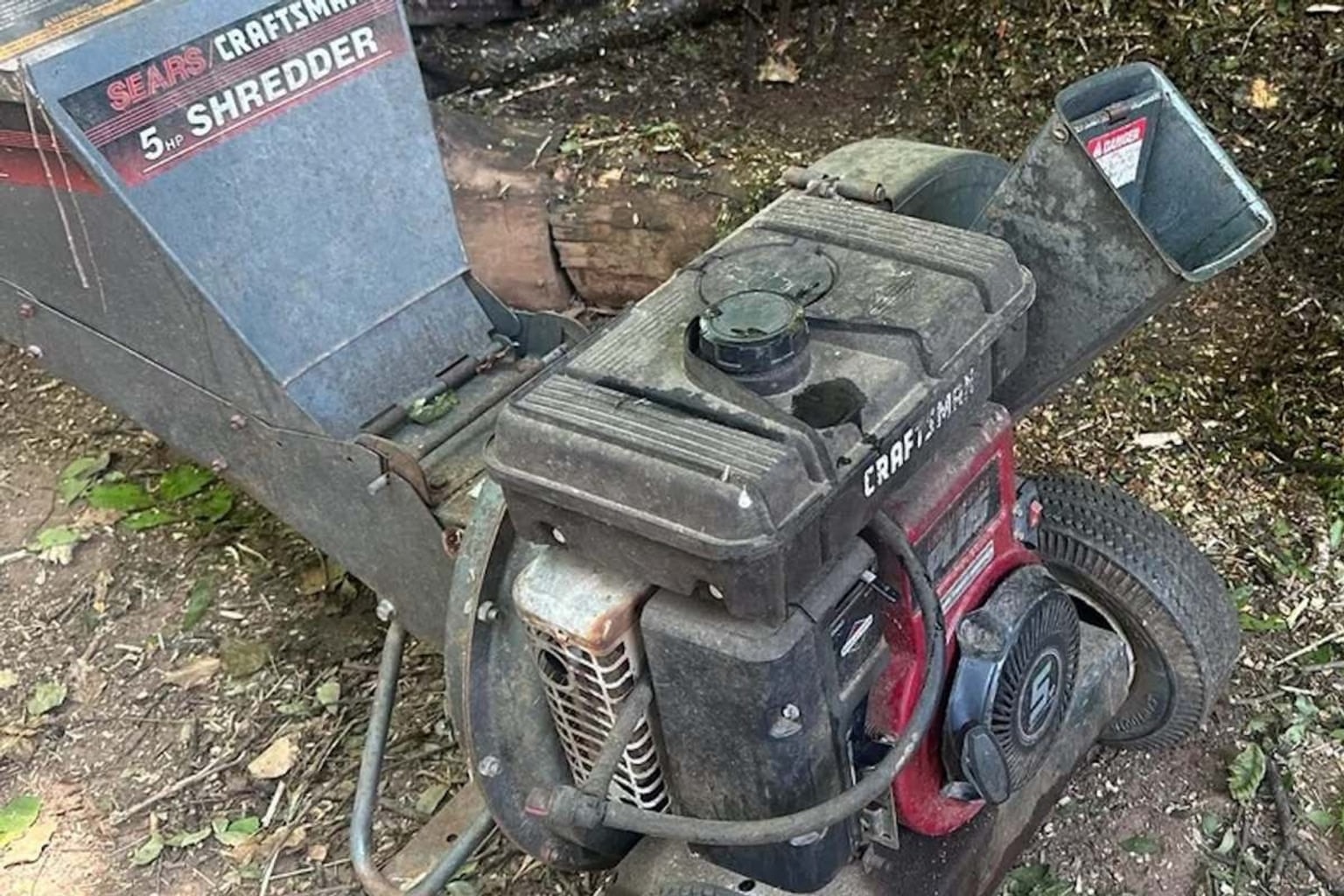
According to a report from The Cool Down, a buyer spent $100 on an old wood chipper via Facebook Marketplace. The purchase, initially described as a gamble, ultimately paid off in spectacular fashion.
The buyer noted that the aging machine “runs like a champ and outperforms my neighbor’s new $500+ chipper.” This anecdote has struck a chord with people who are increasingly frustrated by the high costs of modern consumer goods.
Why it matters
This story is gaining traction because it captures the modern consumer’s dilemma: whether to invest in expensive new technology equipped with warranties, or to take a chance on older, heavily depreciated machinery. Published by The Cool Down on June 21, 2026, the report highlights a growing interest in the circular economy and sustainable home maintenance.
The narrative resonates deeply within online communities dedicated to frugal living and DIY repairs. At a time when inflation has driven up the price of outdoor power equipment, the prospect of securing a high-performing tool for a mere fraction of the retail price is highly appealing.
Also, the direct comparison to a neighbor’s modern equivalent provides a satisfying David-versus-Goliath element to the story.
The catch
Beyond the immediate satisfaction of a good deal, the open question is the underlying mechanics of why an older, $100 machine might legitimately outperform a brand-new $500 model.
First, there is the concept of build quality. Older machinery was frequently constructed using heavier-gauge steel and simpler mechanical designs, whereas modern entry-level equipment often relies on plastic components.
People are curious if this specific wood chipper benefits from a bygone era of manufacturing standards.
Second, audiences are interested in the environmental implications of the purchase. Wood chippers are essential tools for creating homemade compost and reducing yard waste.
By purchasing secondhand, the buyer not only saved money but also kept a heavy piece of machinery out of a landfill.
Finally, there is the element of maintenance. Older tools often require a certain level of mechanical aptitude to keep them running smoothly.
The central question is whether the “gamble” involved hidden costs, such as the time required to clean carburetors or sharpen blades.
What to verify
While the anecdote is compelling, several technical details remain ambiguous and require further investigation to fully understand the comparison. Investigators should look to verify the following points:
- Make and Model: What is the specific brand and age of the $100 vintage wood chipper, and what is the exact model of the neighbor’s $500-plus machine?
- Engine Specifications: How do the horsepower and engine displacement of the two machines compare?
- Maintenance History: Did the $100 machine require any immediate repairs, blade sharpening, or engine tuning upon purchase to achieve its current performance?
- Safety Standards: Does the older machine lack modern safety guards that are mandated on the newer models?
Source trail
The primary signal for this discussion originates from an article published by The Cool Down, a digital media outlet focused on climate, sustainability, and green living. The story centers on a user’s firsthand account of their secondhand shopping success.
For broader context on the environmental benefits of such practices, resources like the Environmental Protection Agency’s guidelines on yard waste provide valuable background.
A homeowner’s $100 gamble on an older wood chipper from Facebook Marketplace has proven highly successful, reportedly outperforming a neighbor’s new $500-plus model. The story matters because it challenges the assumption that newer is always better, reminding us that repairing and reusing older equipment can save significant money while actively reducing environmental waste.
Ultimately, the anecdote serves as a compelling endorsement for the secondhand market.