Start with the intersection of urban development and specialized corporate architecture. Sendai City is now experiencing a gradual wave of condominium development, shifting the texture of its neighborhoods.
Nestled within this evolving urban fabric is a newly completed architectural project: the Sendai Branch Office for Osaka Lightning Rod Industry. Designed by T2P Architects Office, the building serves a highly specialized manufacturer dedicated to lightning protection equipment.
This project is a compelling example of how niche industrial companies are using architecture to modernize their corporate culture and integrate into shifting cityscapes, making it a story worth sharing for anyone interested in the future of workplace design.
Why it matters
The architectural community is now paying close attention to projects that successfully bridge the gap between industrial utility and modern workplace philosophy. According to recent features by ArchDaily Global, T2P Architects Office was tasked with addressing a specific spatial legacy for their client.
Historically, at many of Osaka Lightning Rod Industry’s previous branch locations, the daily workspaces were heavily divided. This physical separation often reinforces corporate silos, limiting organic interaction between different departments.
The move to commission a new, purpose-built branch in Sendai signals a deliberate departure from this outdated model. By rethinking the spatial arrangement, the company is aligning itself with contemporary office trends that prioritize cohesion, transparency, and employee well-being.
Also, the location itself is notable. Sendai is undergoing a period of residential expansion, with condominium projects gradually altering the skyline and street-level experience.
Inserting a corporate branch office into a transitioning zone requires a delicate architectural touch, ensuring the commercial structure respects the growing residential context while maintaining its distinct corporate identity.
The catch
Beyond the surface aesthetics of a new building, observers are looking to decode how spatial design actively shapes human behavior and organizational culture. The core tension identified in the project brief—the historical reliance on divided workspaces—prompts questions about how T2P Architects Office successfully dismantled these barriers. People are curious about the specific interior strategies employed to foster a unified environment without sacrificing the focused environments necessary for a specialized engineering and manufacturing firm. Additionally, there is a broader curiosity about how a company whose primary product is lightning protection equipment expresses its brand identity through its physical headquarters. Does the architecture subtly nod to the nature of their work through materiality, verticality, or structural resilience? As urban centers like Sendai continue to blend residential living with commercial enterprise, understanding how these distinct zones interact is crucial. the practical question is if this building serves as a closed fortress for its employees or if it engages thoughtfully with the surrounding community and the encroaching condominium developments.
What to verify
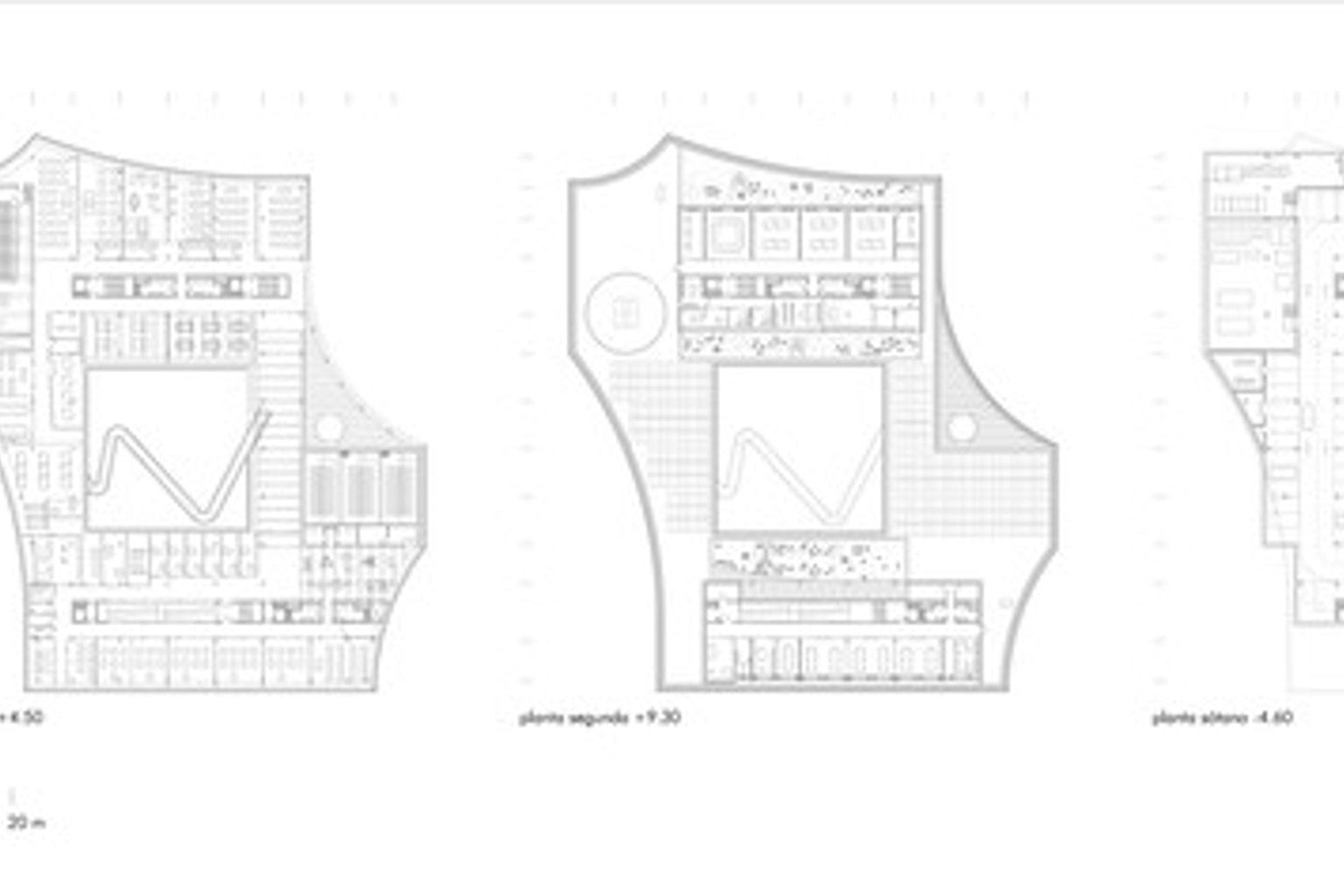
Because the initial project signals provide a high-level overview of the architectural intent, several specific details warrant further investigation. First, architectural enthusiasts should look for comprehensive floor plans to see exactly how the previously divided workspaces have been reimagined into a cohesive layout.
Second, it is important to verify the specific materials and structural systems utilized by T2P Architects Office, particularly whether the building incorporates any advanced or demonstrative lightning protection technologies manufactured by the client itself. Third, observing the building’s scale and facade in relation to the neighboring condominiums will clarify how successfully the architects navigated the mixed-use zoning of the Sendai neighborhood.
Source trail
The new Sendai branch for Osaka Lightning Rod Industry, designed by T2P Architects Office, represents a strategic architectural pivot from historically divided offices to a more unified, modern workspace, set against the backdrop of an evolving, residential-leaning urban neighborhood.
The foundational details about this architectural development, including the project scope and the historical context of the client’s workspace challenges, were originally highlighted in a project feature published by ArchDaily. Additional context about Sendai’s urban planning and condominium development trends can be cross-referenced through municipal zoning reports and regional real estate analyses.