The Paju City Government has unveiled a new care and wellness center for the elderly and disabled. Designed by architecture firm sol89, the 12,560-square-meter complex sits in a high-density residential area in South Korea.
What happened
Paju has expanded rapidly through dense residential developments in recent years.
This rapid growth left the city’s outer edges with generic street layouts. These peripheral neighborhoods often lack high-quality public spaces.
The city held a design competition to address the community’s healthcare needs. Officials originally asked architects to design two separate buildings on the site.
Architectural firm sol89 took a different approach and proposed a single structure. The lead design team included María González, Juanjo López de la Cruz, Yunhee Lim, and Jongjin Lee.
They built a unified, compact, and highly porous complex. The facility officially reached completion in 2025.
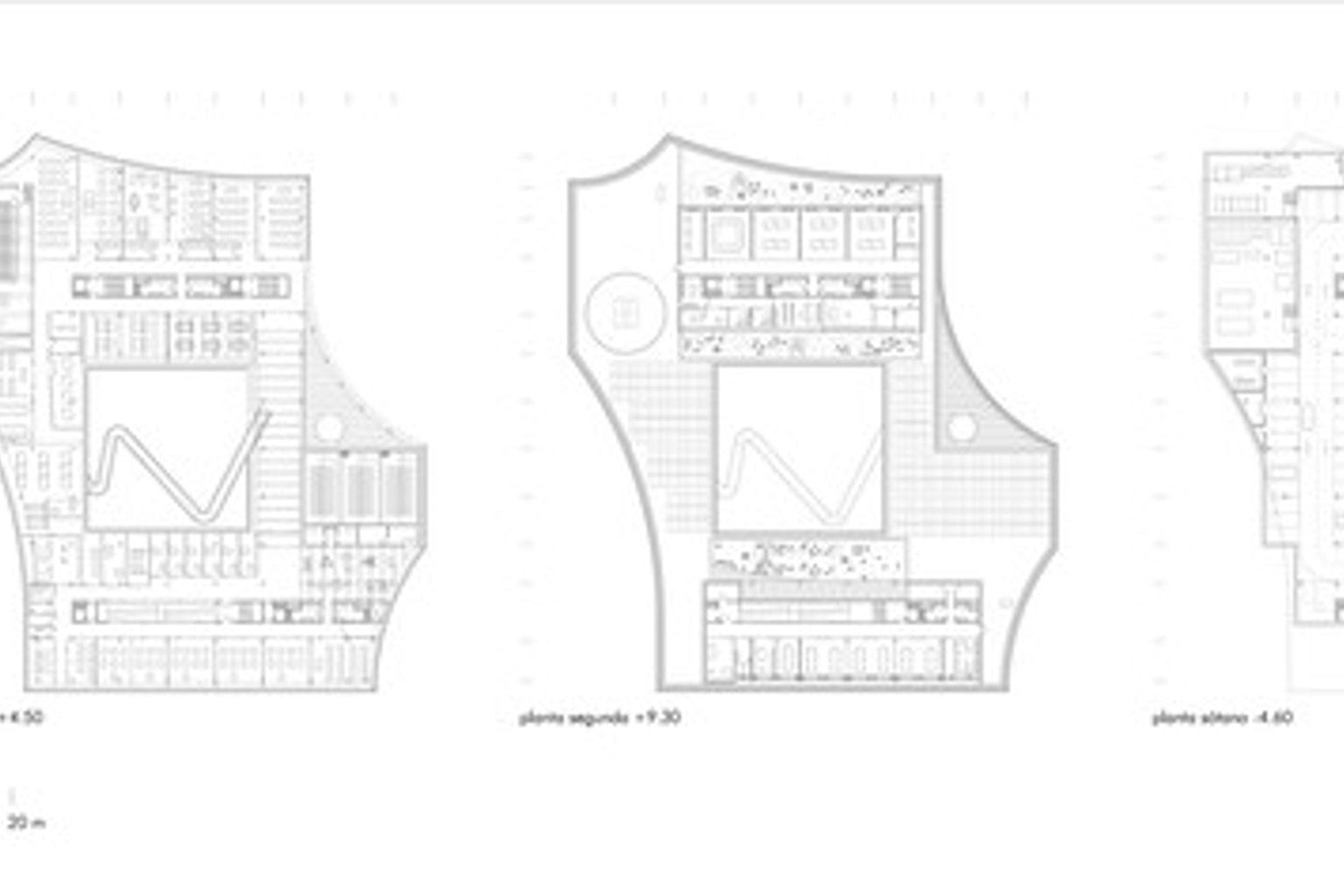
The layout physically pulls the adjacent metropolitan park directly through the center of the building. This creates a continuous flow between the indoor facilities and the outdoor landscape.
Why it matters
The unified design creates a massive internal public void.
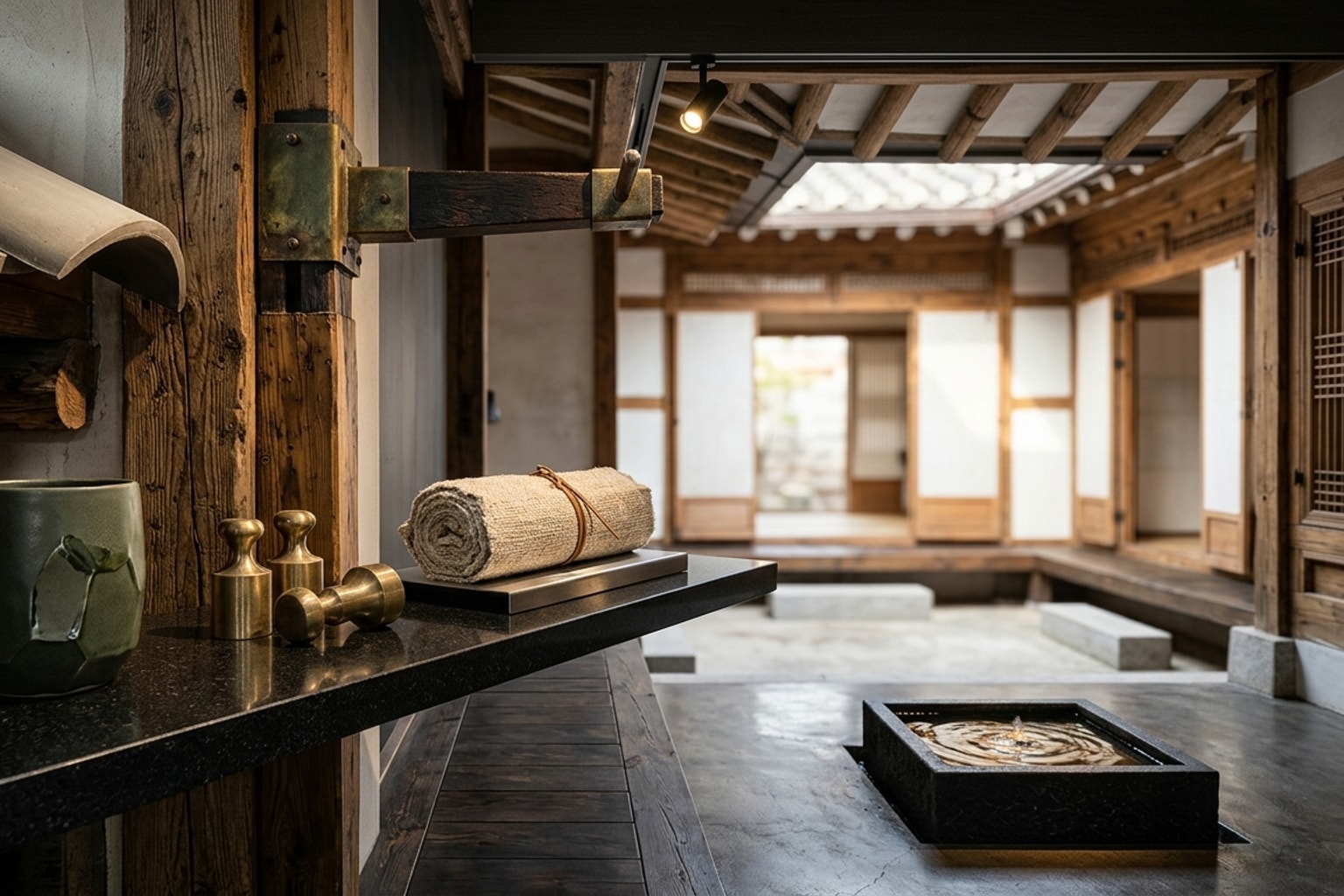
This central space serves as a modern reinterpretation of the traditional Korean madang. A madang is a historic courtyard style built specifically for communal gathering and relaxation.
By placing this open courtyard in the middle, the architects naturally separated the different care programs. Elderly residents and disabled visitors receive distinct treatment zones.
However, they do not have to navigate completely isolated buildings. The porous layout funnels natural light and fresh air into the dense urban fabric.
It acts as an environmental oasis in a neighborhood otherwise dominated by concrete housing blocks. The design encourages casual meetings between different community groups.
It turns a standard medical facility into a civic landmark.
The catch
The project actively defied the original competition brief.
Paju officials specifically requested two distinct buildings to keep the elderly and disabled programs completely separate. Combining them into one massive structure required highly precise internal zoning.
The shared central courtyard must safely handle the distinct mobility needs of both groups. Facility managers now have to balance communal interaction with patient privacy.
The success of the madang concept depends entirely on how well the staff manages this shared space in practice. Dense urban environments also pose ongoing noise and traffic challenges for open-air recovery spaces.
What to verify
Check how the Paju City Government currently manages the daily operations of the combined care programs.
Review local feedback regarding the accessibility of the central courtyard for visitors with severe mobility issues.
Confirm the exact opening dates and current patient occupancy levels of the 12,560-square-meter facility.
Look into the specific structural engineering solutions handled by the Sen Structure Research Institute.
Investigate the mechanical and electrical systems installed by Bumchang Engineering to support the porous design.
Source trail
Details on the architectural design, the madang concept, and the competition brief come from ArchDaily.
Information regarding the project’s lead architects, engineering partners, and the 2025 completion date was provided by the sol89 project team.