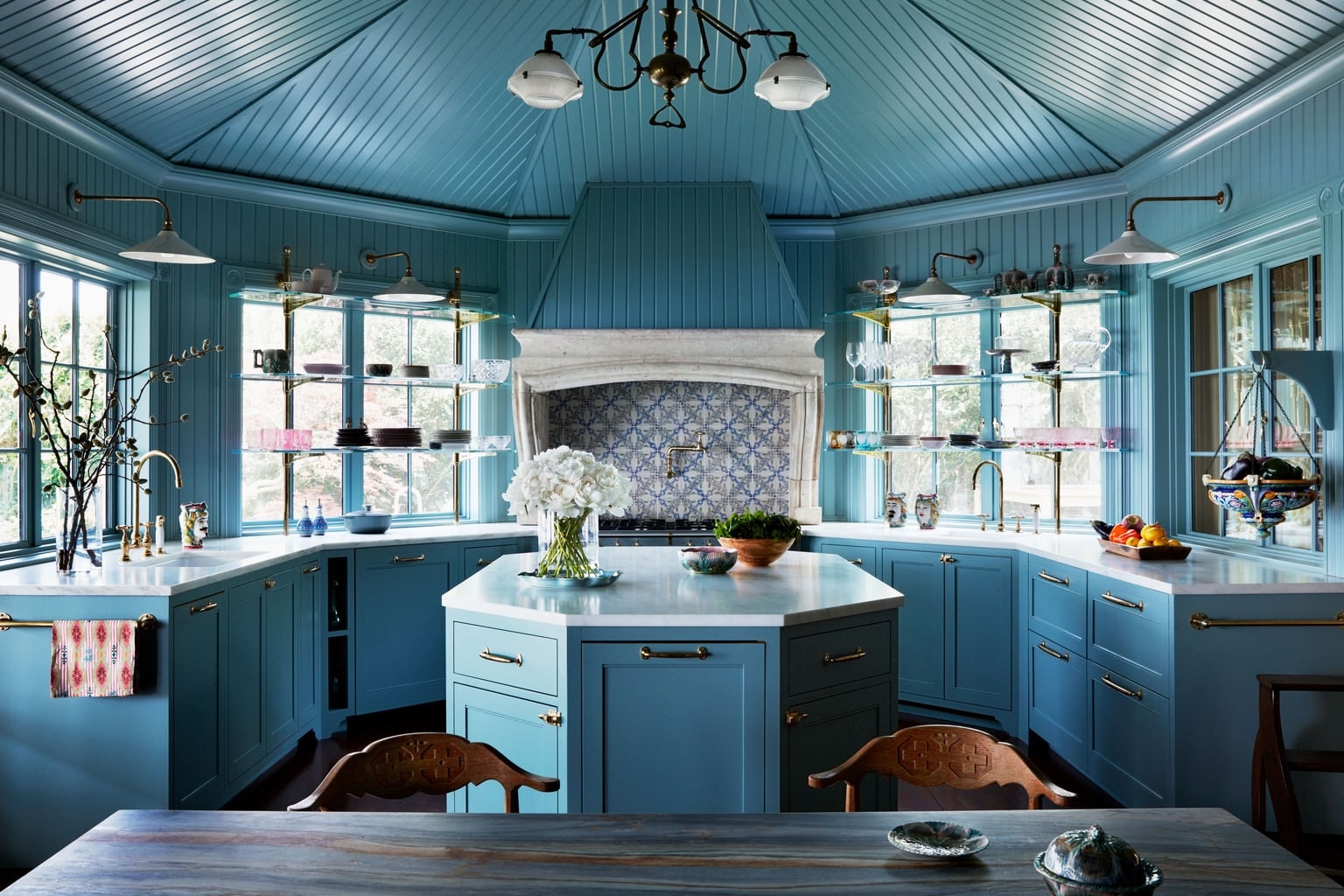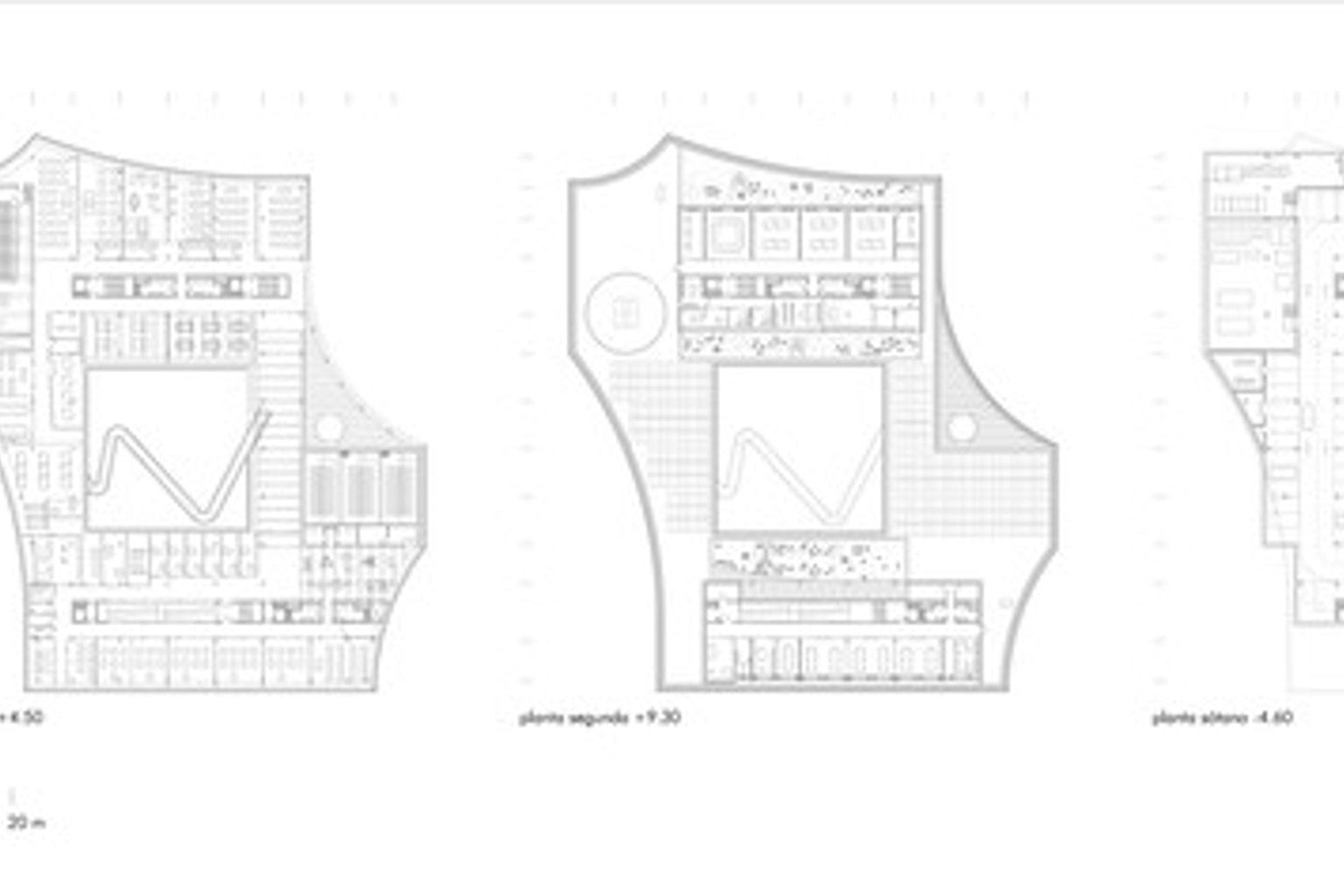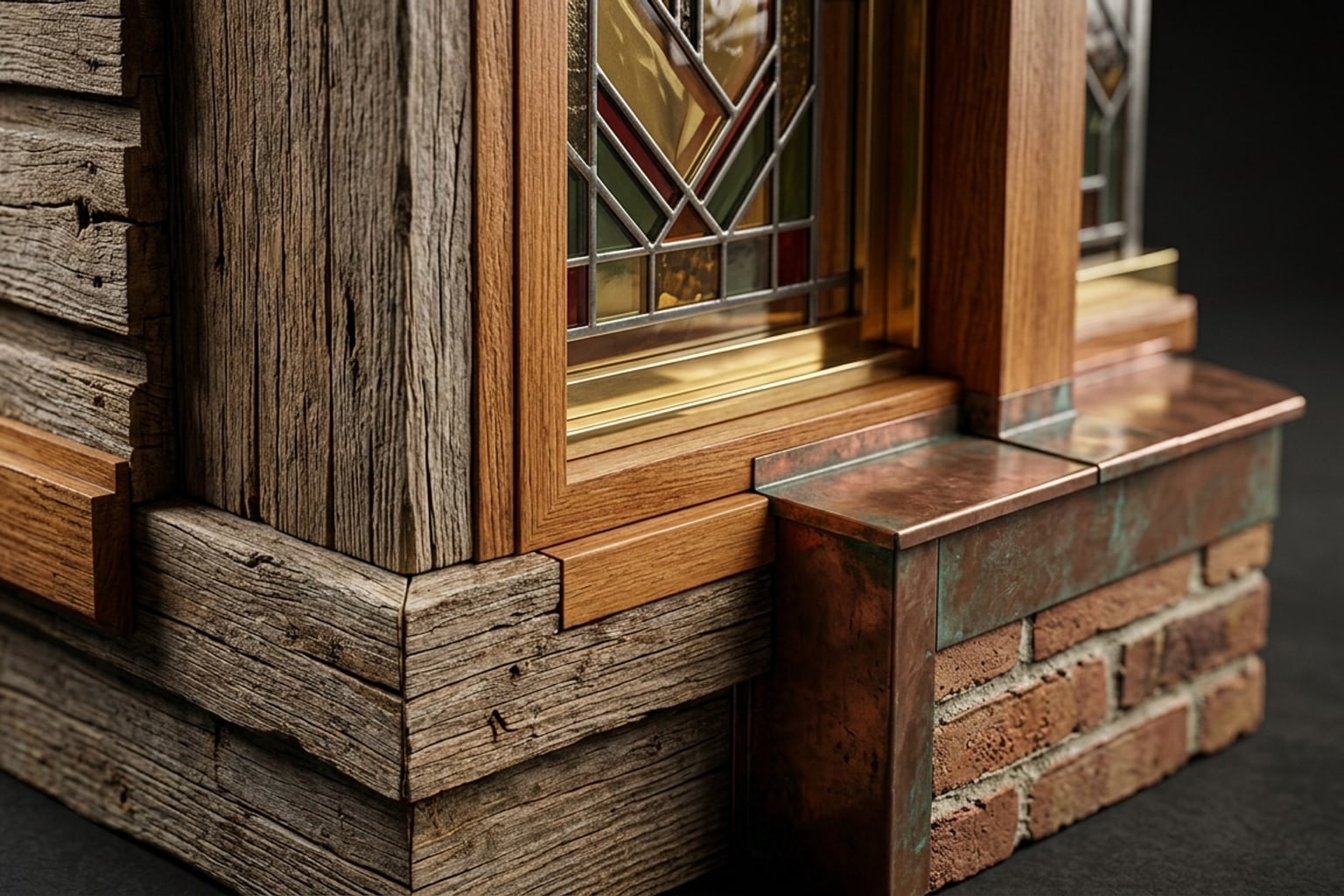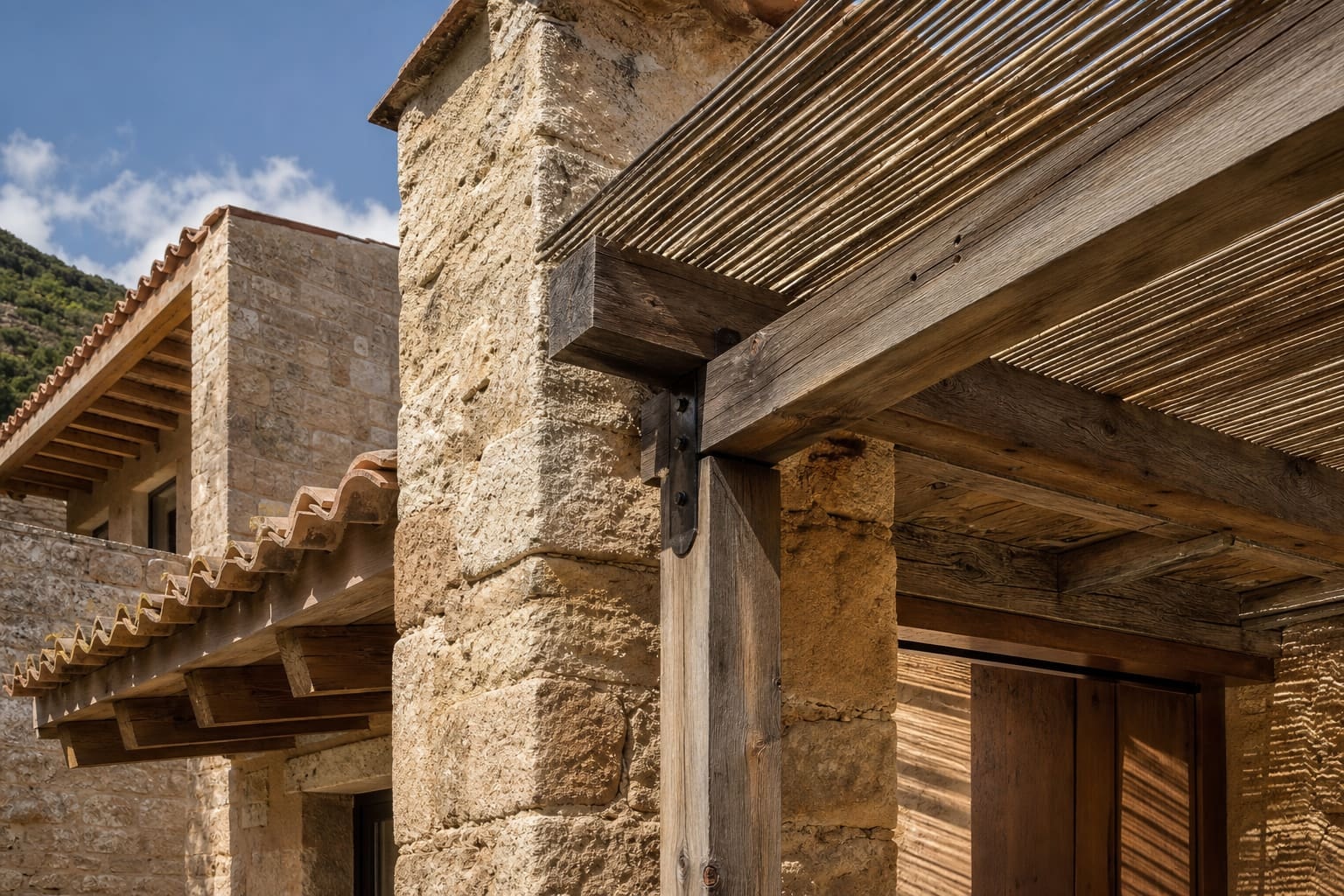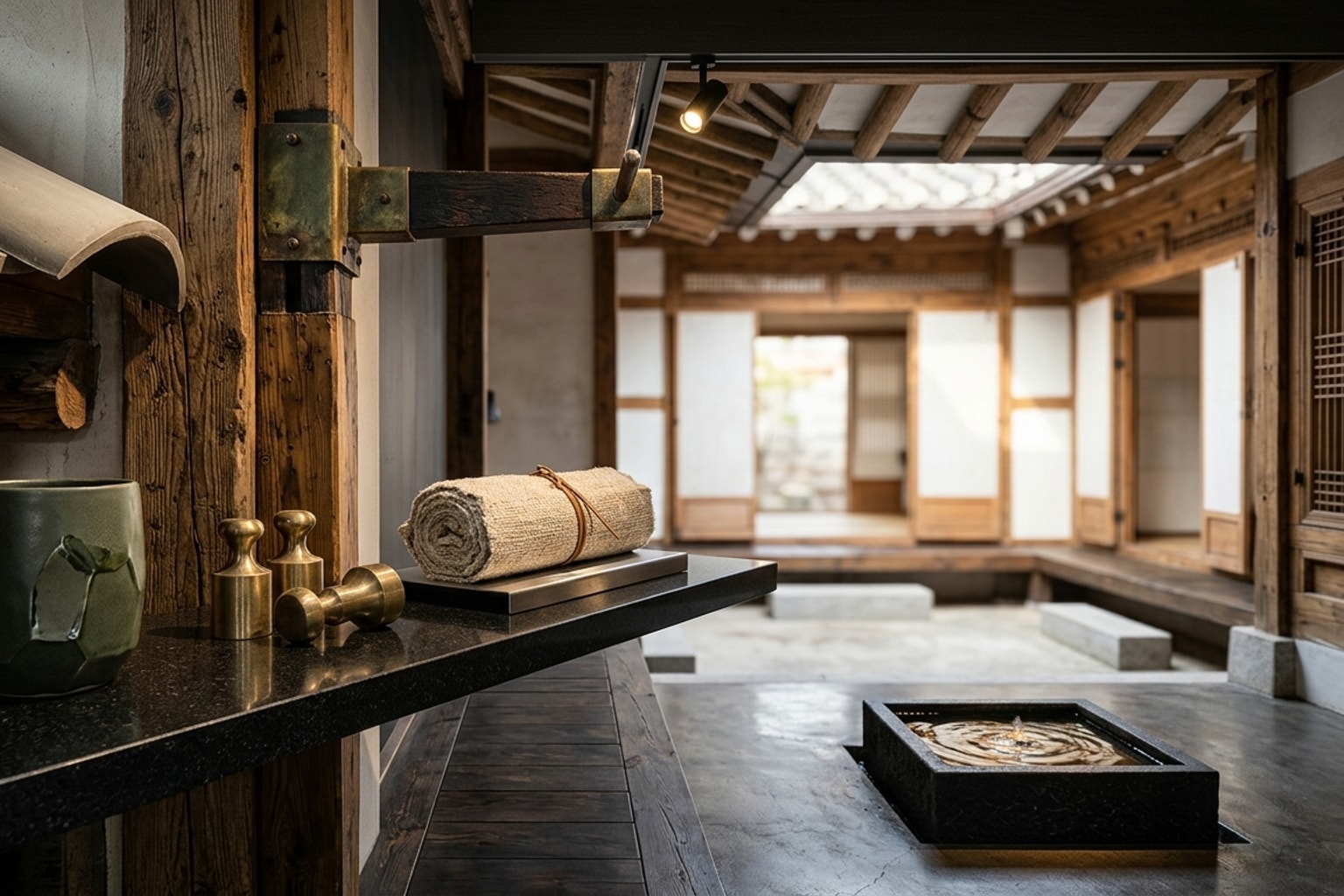
A century-old traditional Korean house in Seoul has opened its doors as a modern retail space. The 140-square-meter project transforms the historic hanok into a flagship store organized entirely around the logic of domestic life.
What happened
The new Seoul flagship integrates a commercial retail experience into a historic residential footprint. Designers chose not to demolish the interior walls.
Instead, they built the store around the home’s original layout.
The 140-square-meter space retains its traditional circulation paths. Visitors navigate the flagship just as previous residents navigated the home.
The original central courtyard remains the focal point of the property. The historic timber structure still supports the roof.
The wooden pillars and roof brackets remain fully visible. Store fixtures are carefully placed to avoid damaging the aged wood.
The layout requires customers to step over traditional raised thresholds.
Exposed wooden beams define the interior rooms. Products sit within spaces that once served as actual living quarters.
The design treats the retail inventory like household objects placed throughout a private residence.
Why it matters
Global retail brands typically prefer blank-slate environments. They often gut historic interiors to maximize open floor space and product visibility.
This project reverses that standard commercial strategy. It forces the retail experience to adapt to the architecture, rather than forcing the architecture to accommodate the store.
Hanoks represent a core element of Korean architectural heritage. Rapid urban development in Seoul has destroyed many of these traditional courtyard homes.
Adapting surviving hanoks for commercial use provides a financial incentive to maintain them. The approach saves the physical structures from demolition.
Commercial adaptations of hanoks have gained traction in recent years. Cafes and boutique hotels frequently use the aesthetic.
A dedicated retail flagship pushes this adaptive reuse model further into the mainstream.
The design creates a sharp visual contrast. The century-old timber framing sits directly alongside contemporary retail displays.
This tension between old domesticity and new commerce defines the space.
The catch
Preserving a residential layout creates steep logistical challenges for a retail store. The historic footprint severely limits traditional merchandising strategies.
Small domestic rooms and narrow corridors restrict customer flow. The store cannot accommodate large crowds without creating bottlenecks.
A 140-square-meter footprint is also unusually small for a major urban flagship. The brand must sacrifice square footage that would normally hold inventory.
Keeping the original courtyard open reduces the total usable indoor space. The exposed timber structure limits where shelving and lighting can be installed.
Consequently, the store must rely on a sparse, highly curated display rather than high-volume stocking.
Modern building codes often clash with century-old wooden structures. Upgrading the electrical and climate control systems without damaging the timber requires expensive custom engineering.
The building’s lack of modern insulation may also create high heating costs during harsh winters.
What to verify
The exact neighborhood in Seoul housing the hanok remains unspecified in the initial project brief. Hanok preservation is highly concentrated in areas like Bukchon, but the exact street address needs confirmation.
The specific architecture studio that managed the renovation is not immediately clear from the primary summary.
The exact nature of the “urban sophistication” brand requires clarification. It likely refers to the tech accessories and fashion label Urban Sophistication, but this needs cross-referencing.
It is also unclear if the local government provided heritage grants to assist with the timber preservation.
Source trail
Architectural details and project images were published by designboom. The design publication highlighted the project’s focus on domestic circulation.
Additional context on modern hanok renovations and preservation policies can be found through local Seoul municipal heritage resources.