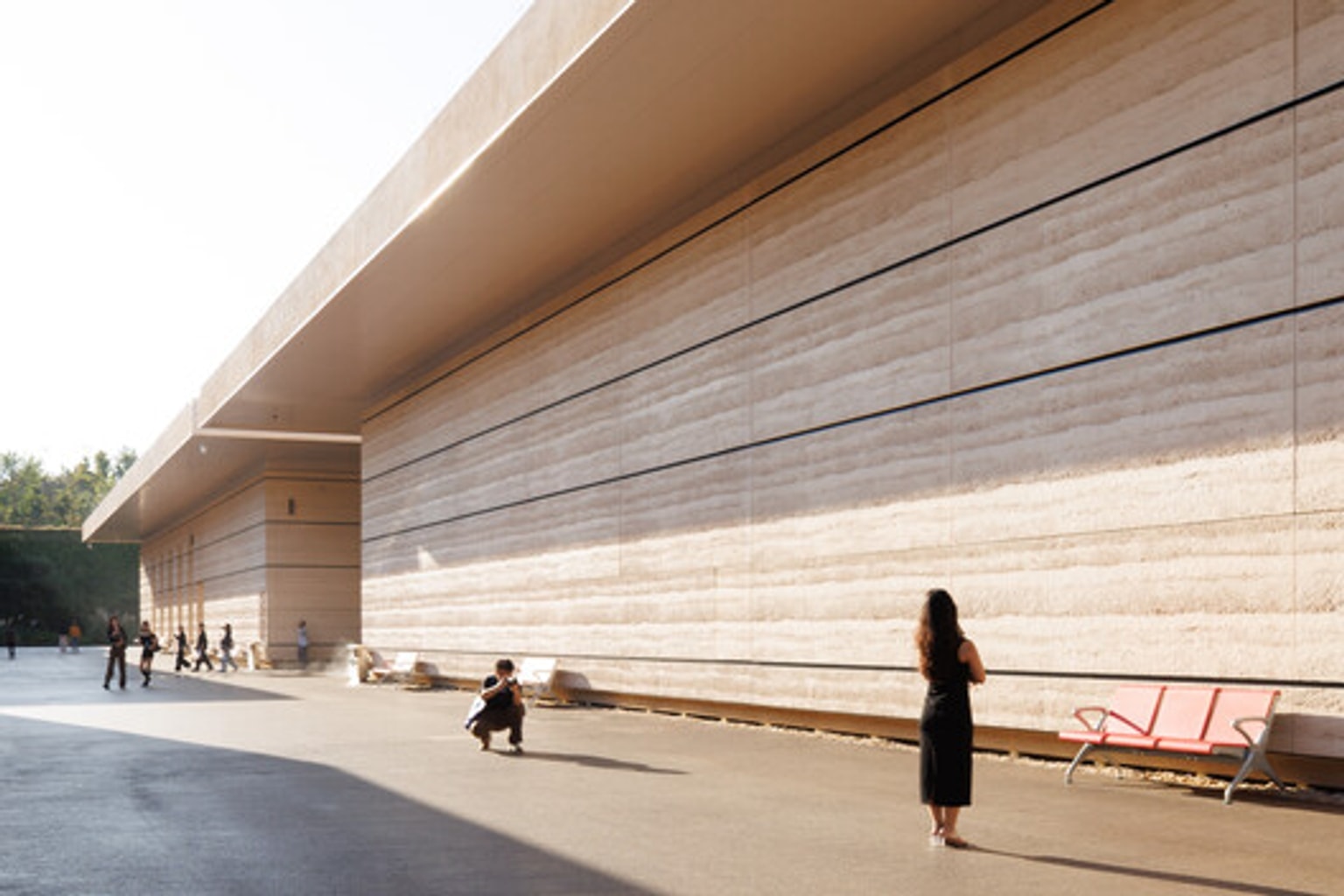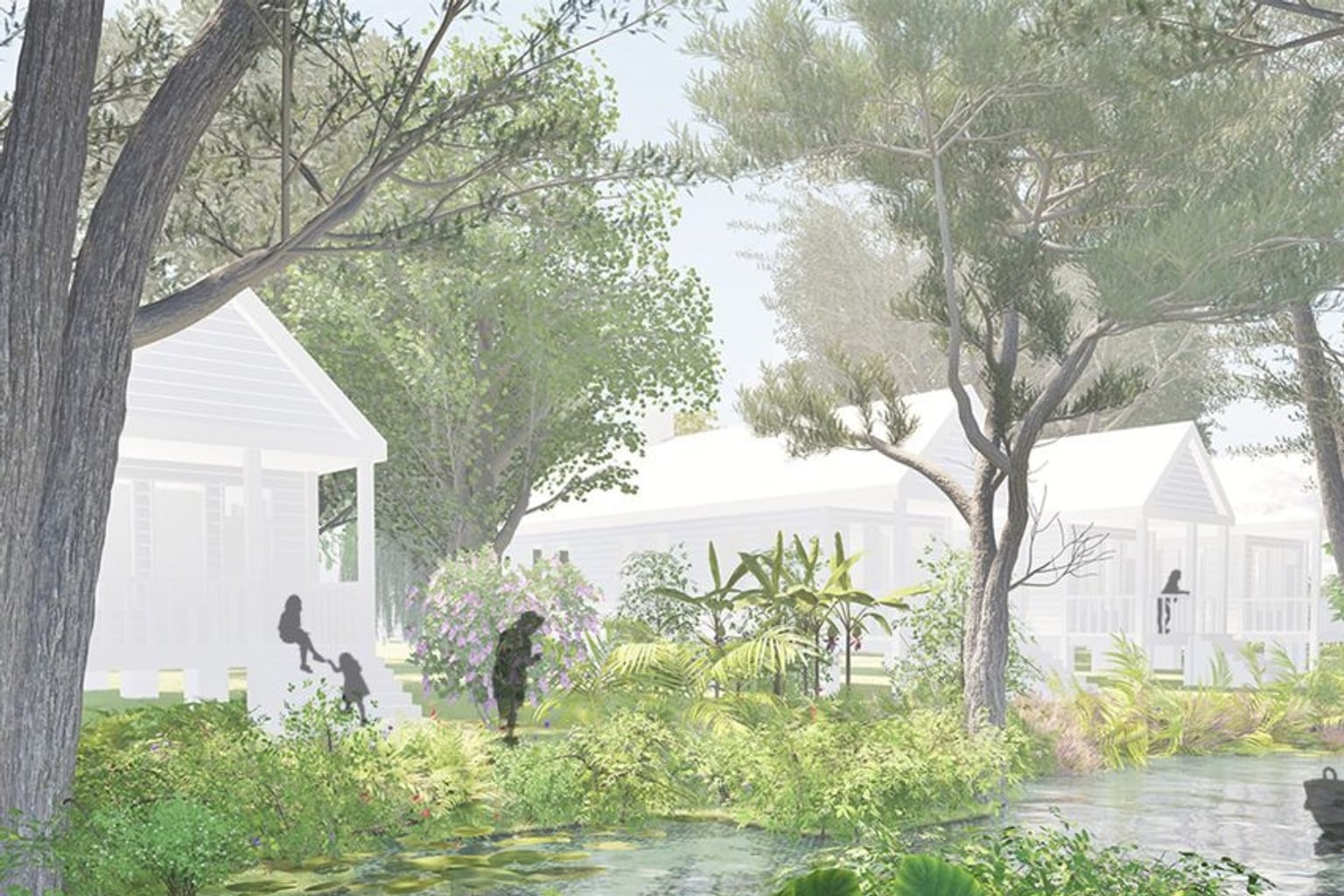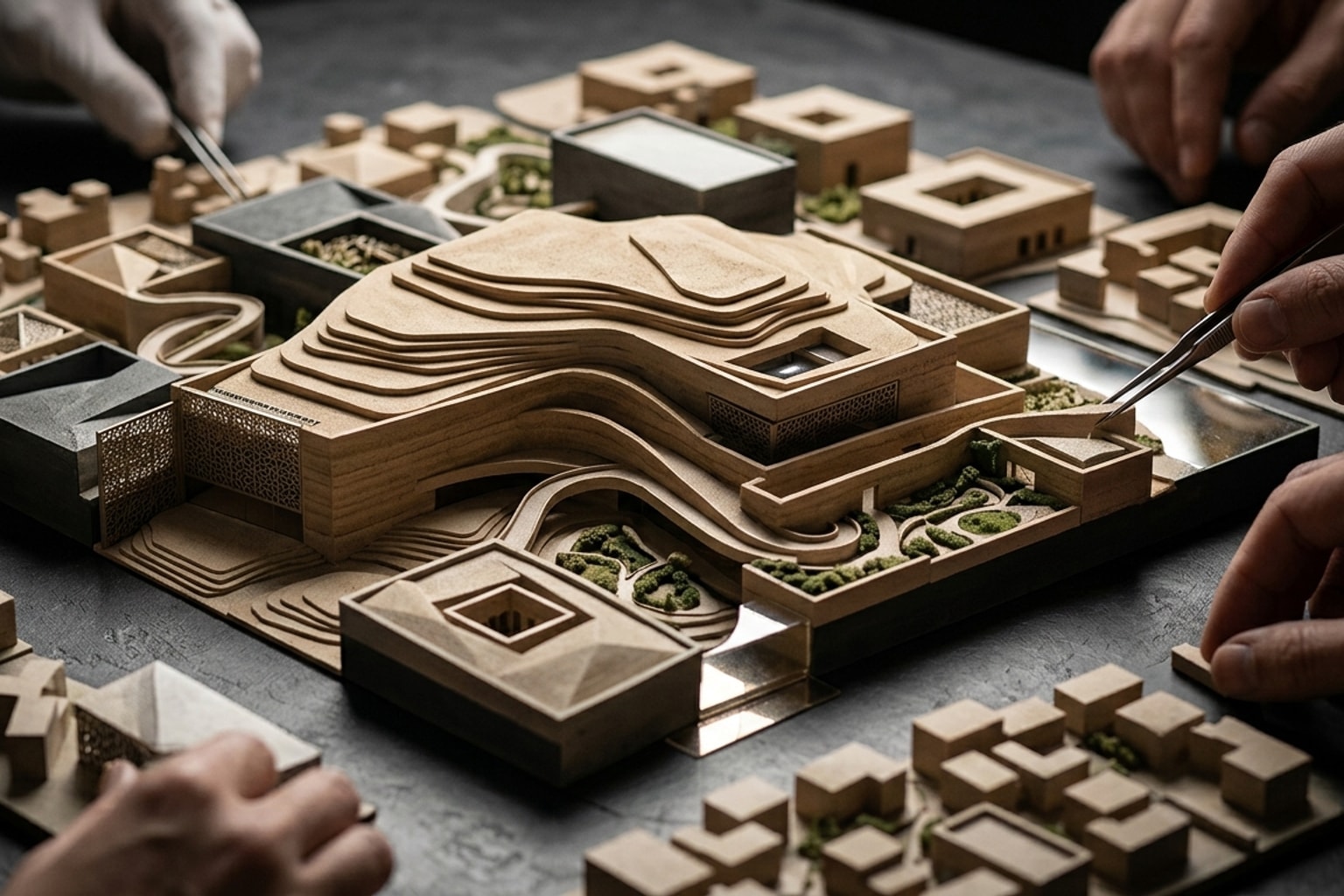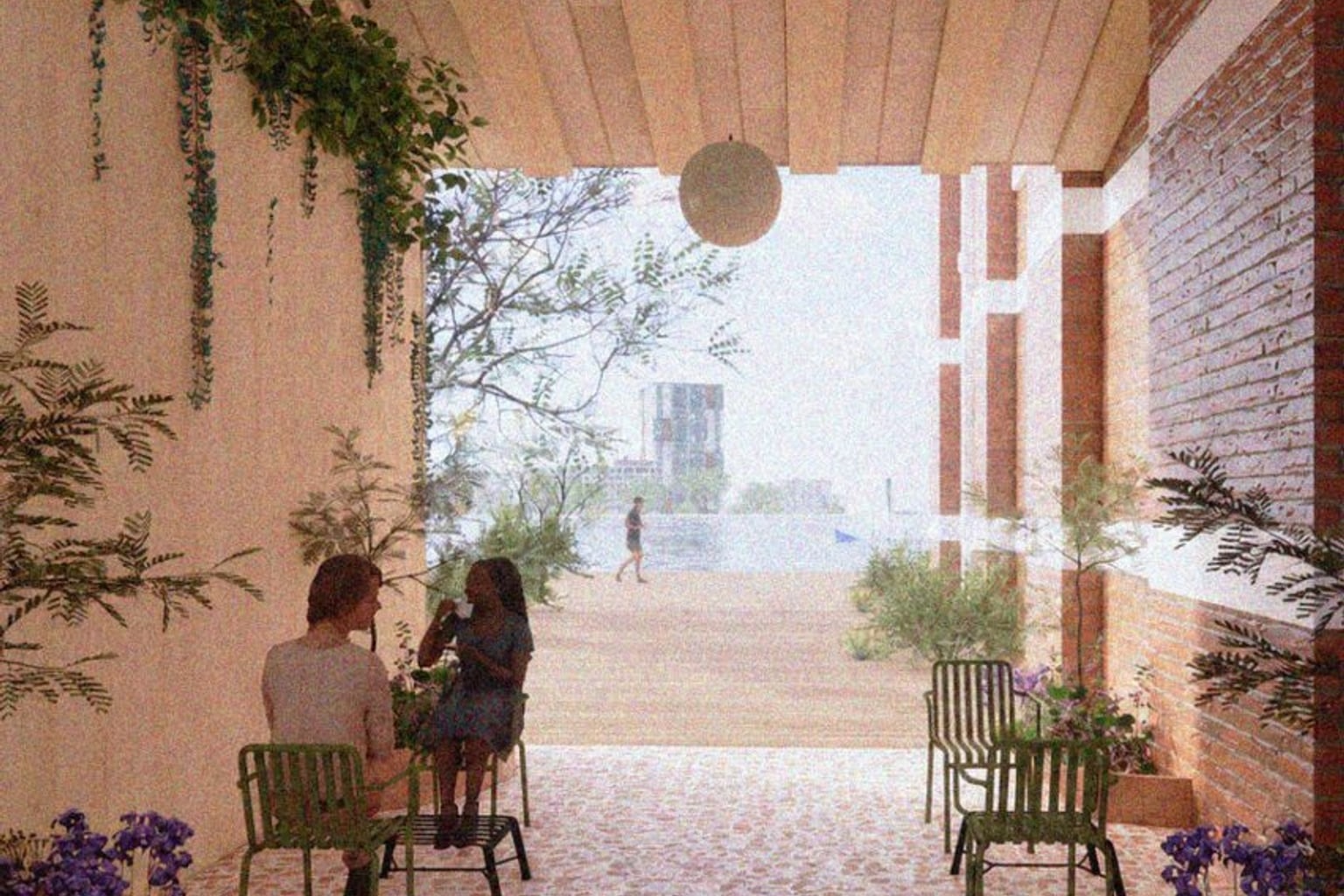
In the quiet stretches of Longyou County, located within the Quzhou prefecture of China’s Zhejiang province, a familiar demographic crisis has been quietly unfolding. Like many rural and semi-urban districts, the area has historically suffered from a lack of competitive industries, leading to a steady and significant outflow of young labor.
Seeking greener economic pastures, the youth migrate to sprawling megacities, leaving behind an aging population and stagnant local economies. Still, an ambitious new architectural intervention known as “The Tree,” spearheaded by the architectural studio YXDesigners, is attempting to reverse this trend.
The story matters because it highlights a fascinating global experiment: using high-concept design and cultural infrastructure as a primary magnet to solve deep-rooted demographic decline.
Why it matters
The project is now gaining international attention following a comprehensive feature on ArchDaily, a leading global architecture platform. The spotlight on “The Tree” traces back to a pivotal policy shift initiated by local authorities.
In 2022, Longyou County officials formally proposed a strategic goal to transform the region into a “youth development-oriented county.”
This mandate recognized that traditional industrial subsidies were no longer enough to attract the next generation. Instead, the local government and urban planners realized that retaining young professionals required building environments that cater to their lifestyle, aesthetic preferences, and need for community gathering spaces.
YXDesigners stepped into this mandate to conceptualize a space that could serve as a literal and figurative anchor for the community. The resulting structure is not just a building, but a highly visible signal that the county is investing in a modern, culturally vibrant future designed specifically to appeal to younger demographics who might otherwise flee to Hangzhou or Shanghai.
The catch
Beyond the striking visual geometry of the structure, observers and urbanists are looking to understand the practical efficacy of this strategy. Can a single architectural project, or even a network of them, genuinely counteract the powerful economic gravity of Tier-1 cities?
People are analyzing the delicate balance between aesthetic appeal and tangible economic opportunity. In modern China, heavily stylized, photogenic architecture often succeeds in generating short-term tourism—frequently driven by social media platforms—but converting weekend visitors into permanent, tax-paying residents is a much steeper challenge.
Observers want to know if “The Tree” functions merely as a beautiful pavilion or if it houses the kind of dynamic programming, such as co-working spaces, entrepreneurial incubators, or contemporary cultural venues, that young adults require to build sustainable lives.
The underlying question is whether design can act as a catalyst for a broader economic revival, or if it risks becoming an empty monument in a county that still lacks the fundamental industries needed to employ the people it hopes to attract.
What to verify
As the project transitions from a celebrated design concept to an active public space, several key factors require independent verification. First, researchers must track the actual demographic data in Longyou County over the next three to five years to see if the youth outflow has stabilized or reversed.
Second, it is crucial to investigate the specific interior programming of “The Tree” and how frequently it is utilized by local residents versus out-of-town tourists. Finally, economic analysts should look for signs of parallel investments in the county; specifically, whether new businesses, startups, or tech-adjacent industries are setting up shop in the immediate vicinity of this new cultural landmark.
Source trail
The primary details about the architectural intent and the 2022 youth-oriented policy origins of this project were highlighted in a recent showcase published by ArchDaily Global. The design and execution were led by the architectural firm YXDesigners, operating within the specific context of Zhejiang’s rural revitalization efforts.
Longyou County is betting that high-quality, youth-centric architecture can serve as a powerful tool against rural brain drain. By commissioning YXDesigners to build “The Tree,” local officials hope to transform their region’s image, testing whether striking design can successfully anchor a new generation in the countryside.