The intersection of mental health and adaptive architecture is taking center stage in a new showcase of academic design work. Recently featured in the widely followed Dezeen School Shows, emerging designers from Regent’s University London have unveiled a series of conceptual projects aimed at transforming industrial infrastructure into sanctuaries for health and ecology.
The story matters because it highlights how the next generation of architects is prioritizing mental wellbeing and sustainable food systems over traditional commercial development, offering a hopeful glimpse into the future of urban planning.
Why it matters
The conversation around architectural education and its real-world applications is gaining significant momentum following a recent spotlight by the influential design publication Dezeen. Through its ongoing School Shows series, the platform highlights the final projects of architecture and design students globally, giving them a platform to present their solutions to contemporary challenges.
The latest feature focuses heavily on the cohort from Regent’s University London, where students have tackled the dual crises of student burnout and environmental degradation.
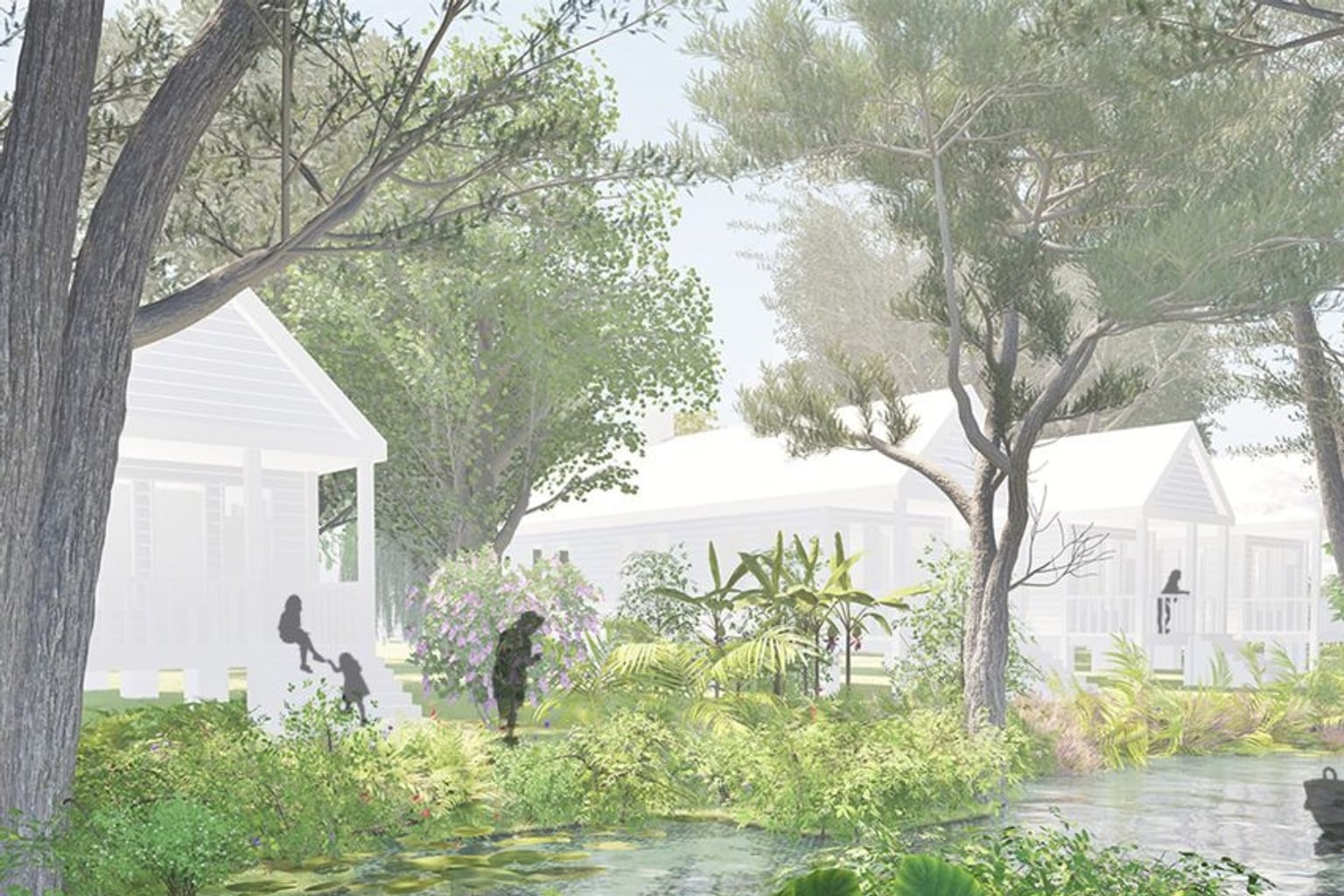
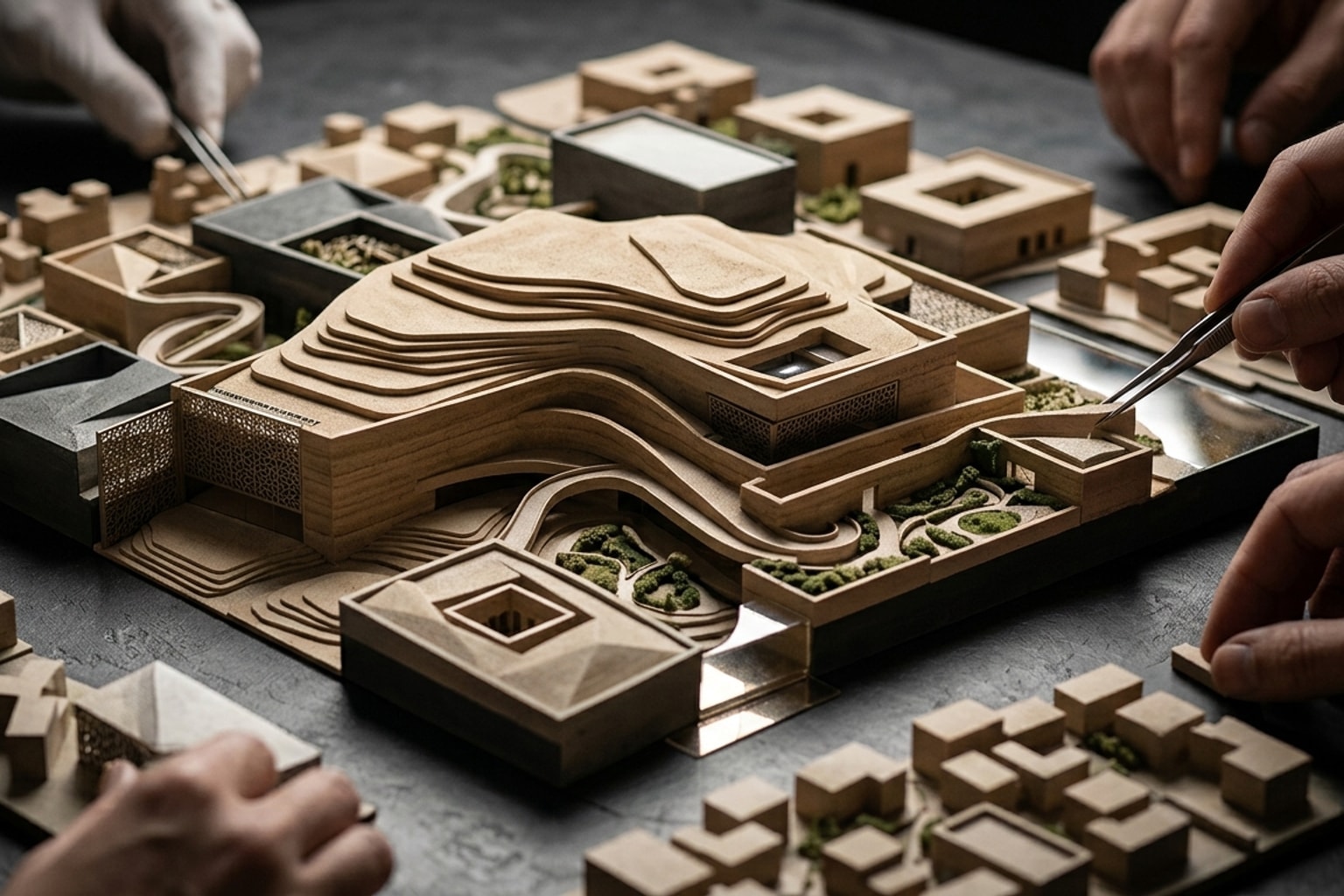
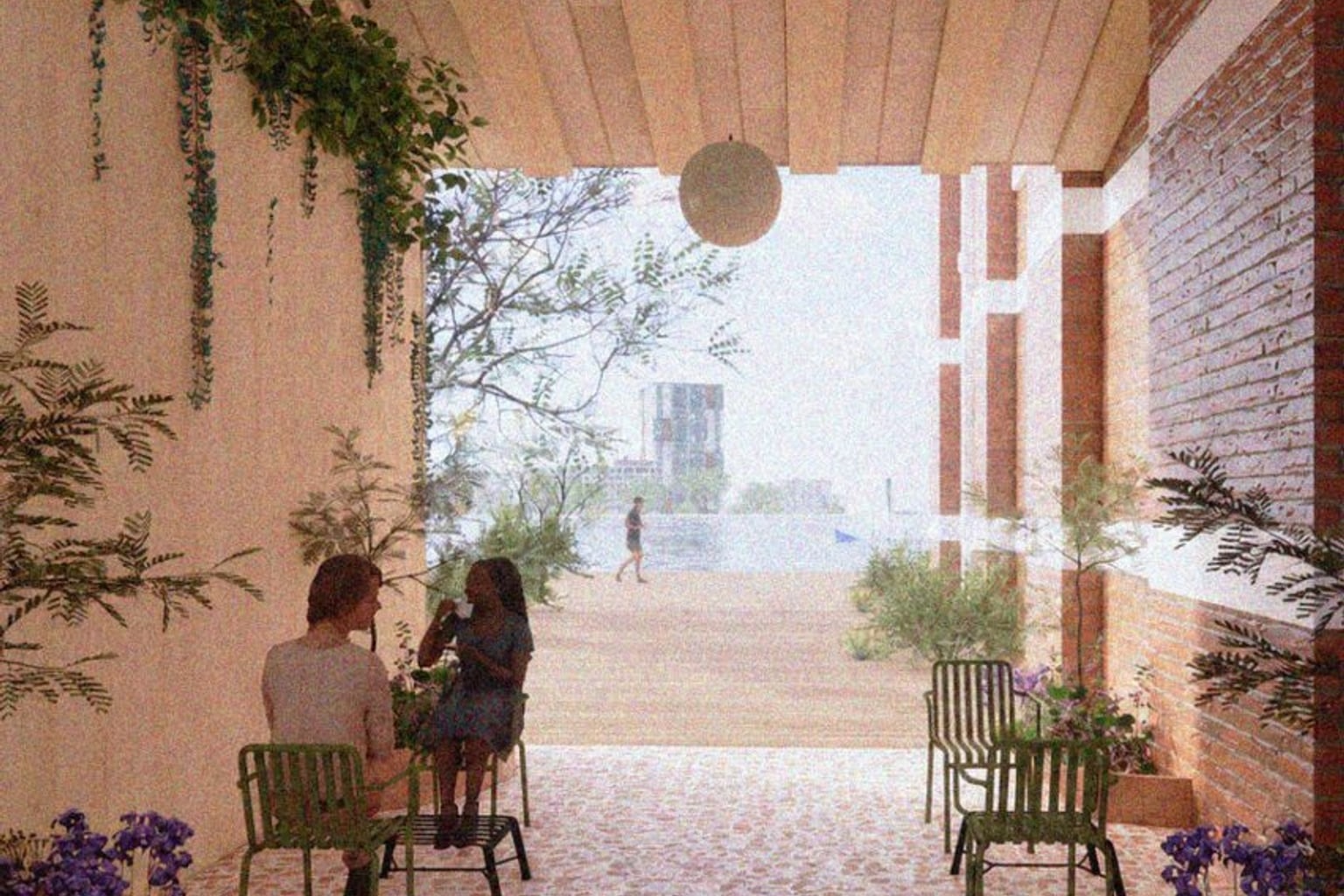
According to the showcase summary, the standout proposals involve the radical reimagining of a traditional “reservoir centre.” Rather than leaving aging water infrastructure to serve a purely utilitarian or obsolete function, the students have proposed converting these cavernous spaces into a restorative retreat specifically tailored to support student wellbeing.
Another featured concept uses a similar reservoir site as a dedicated hub for food cultivation, while a third envisions a tranquil wellness hotel designed to offer visitors a necessary break from urban stressors. This trend of adaptive reuse is resonating deeply within the design community right now.
The catch
Beyond the striking conceptual visuals typically associated with student architecture showcases, the open question is the practical philosophy driving these specific designs. The practical question is how heavy, brutalist infrastructure—like a municipal reservoir center—can be softened and adapted to serve delicate human needs like mental health recovery and localized agriculture.
The projects emerging from Regent’s University London signal a broader paradigm shift in design education. Students are increasingly moving away from designing conventional skyscrapers or luxury retail spaces; instead, they are actively responding to a modern landscape where mental health resources and food security are paramount concerns.
By proposing a wellness hotel and a food cultivation hub within repurposed water infrastructure, these emerging architects are asking fundamental questions about how cities can better care for their inhabitants. The core curiosity for the public lies in how these academic frameworks might eventually influence actual municipal planning, eco-tourism, and university campus developments in the near future.
What to verify
Because these are conceptual student projects featured in an academic showcase, several practical details remain to be explored by the design community. Journalists and architecture enthusiasts should verify the specific geographic locations of the reservoir centers that inspired these designs, as the conceptual sites often dictate the structural constraints and feasibility of the projects.
Also, it is important to investigate the specific names of the individual students behind the restorative retreat and the food cultivation hub to properly credit their intellectual property and track their future careers. Finally, observers should check if Regent’s University London or local city councils have any preliminary plans or funding to adopt these academic concepts into tangible urban renewal initiatives.
Source trail
Architecture students from Regent’s University London are redefining urban infrastructure through a new lens of community health and sustainability. By conceptualizing aging reservoir centers as restorative retreats, wellness hotels, and localized food cultivation hubs, the latest Dezeen School Shows highlight a generation of designers deeply committed to solving modern crises of mental wellbeing and ecological balance through imaginative adaptive reuse.
The primary information about these student projects stems from the recent Dezeen School Shows feature on Regent’s University London. For broader context on how the publication highlights emerging talent and sustainable infrastructure, further context appears in the wider Dezeen architecture and design archives.