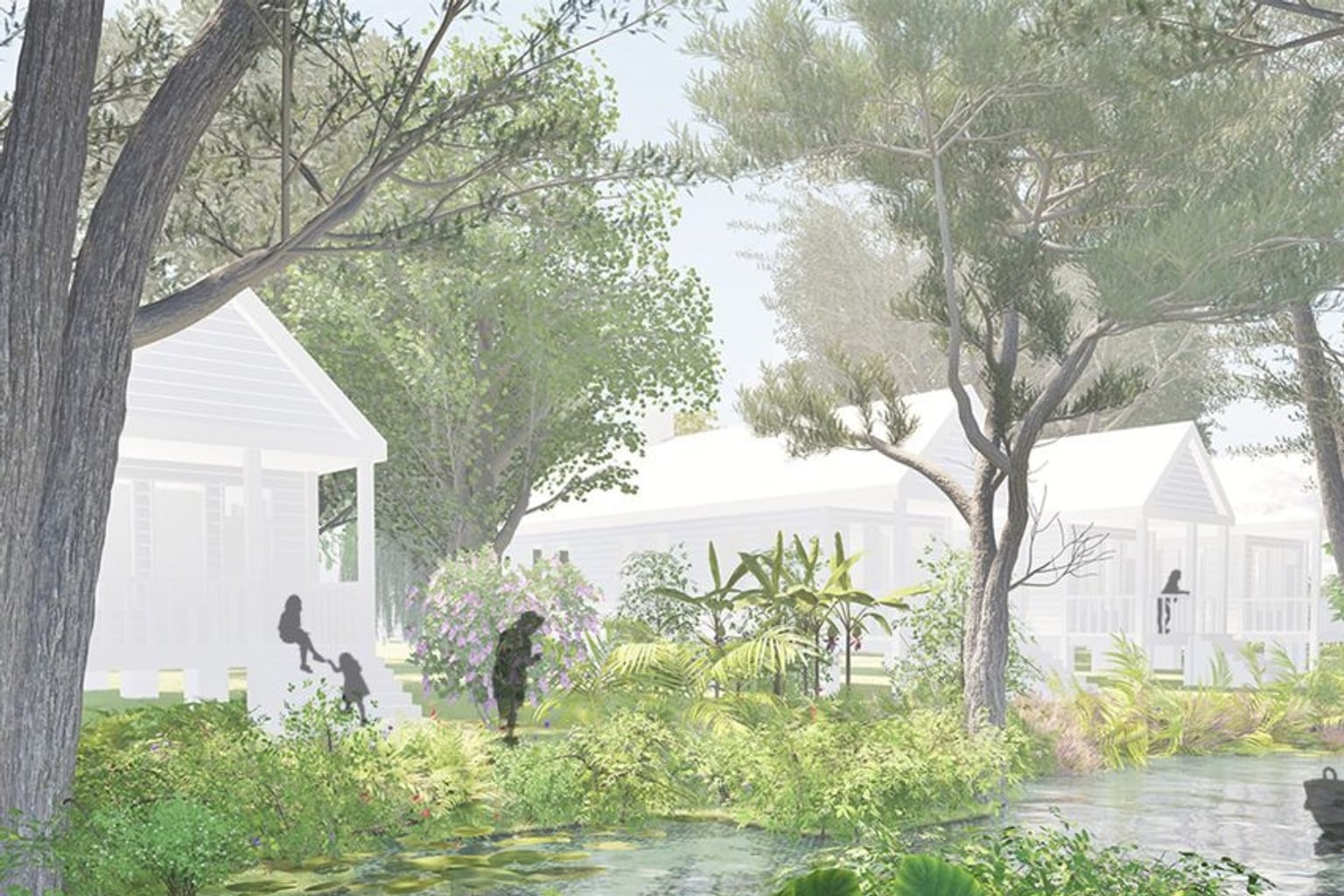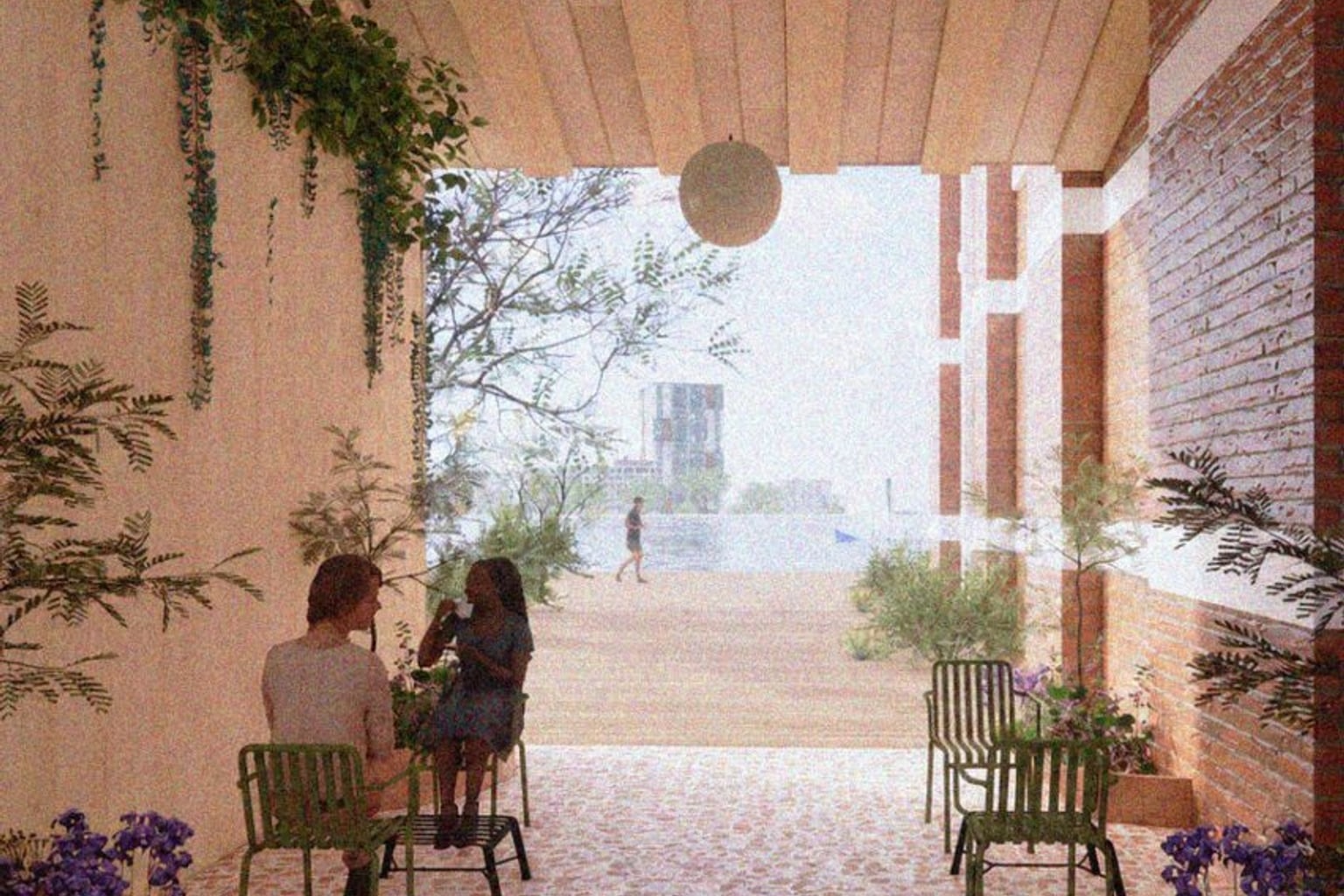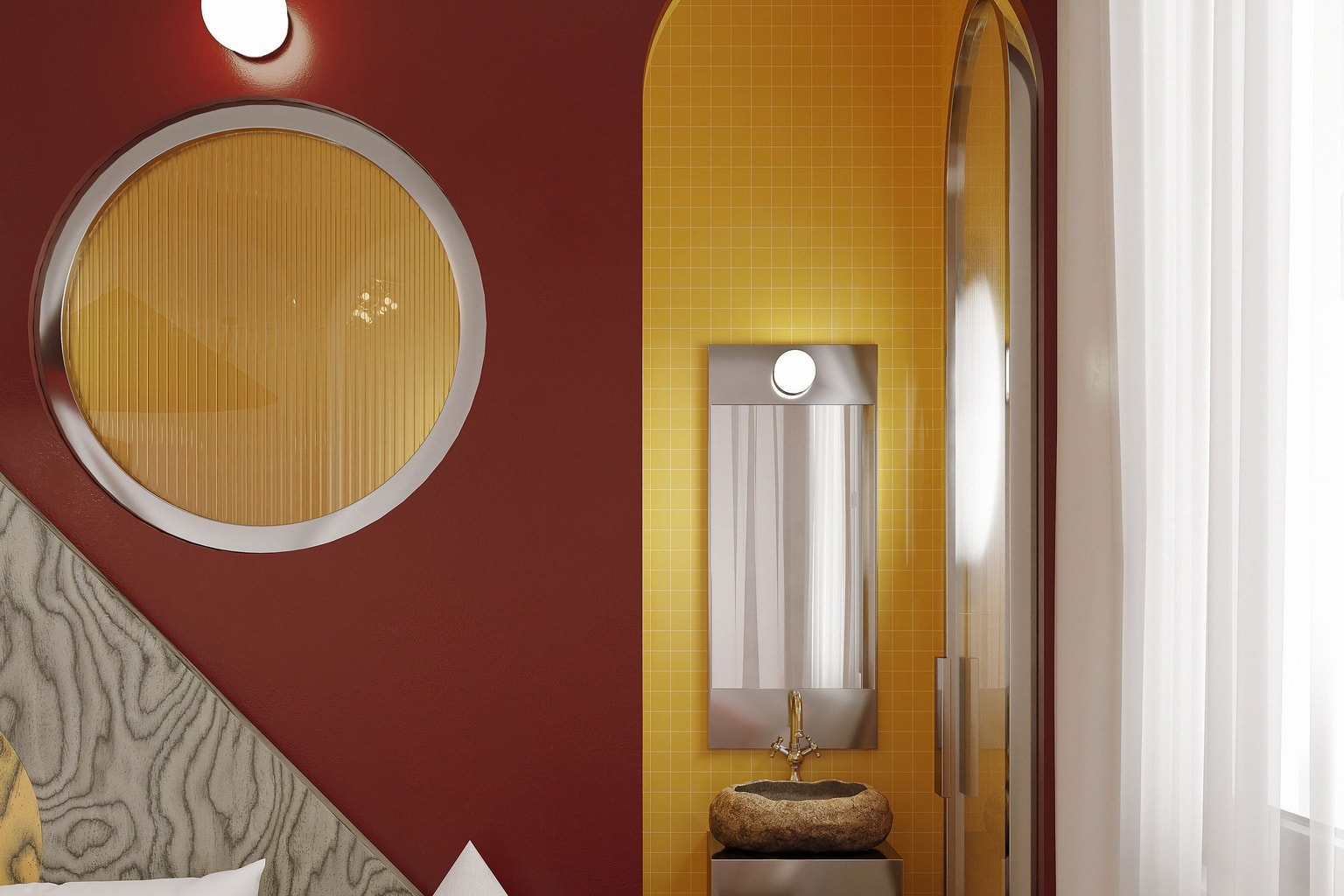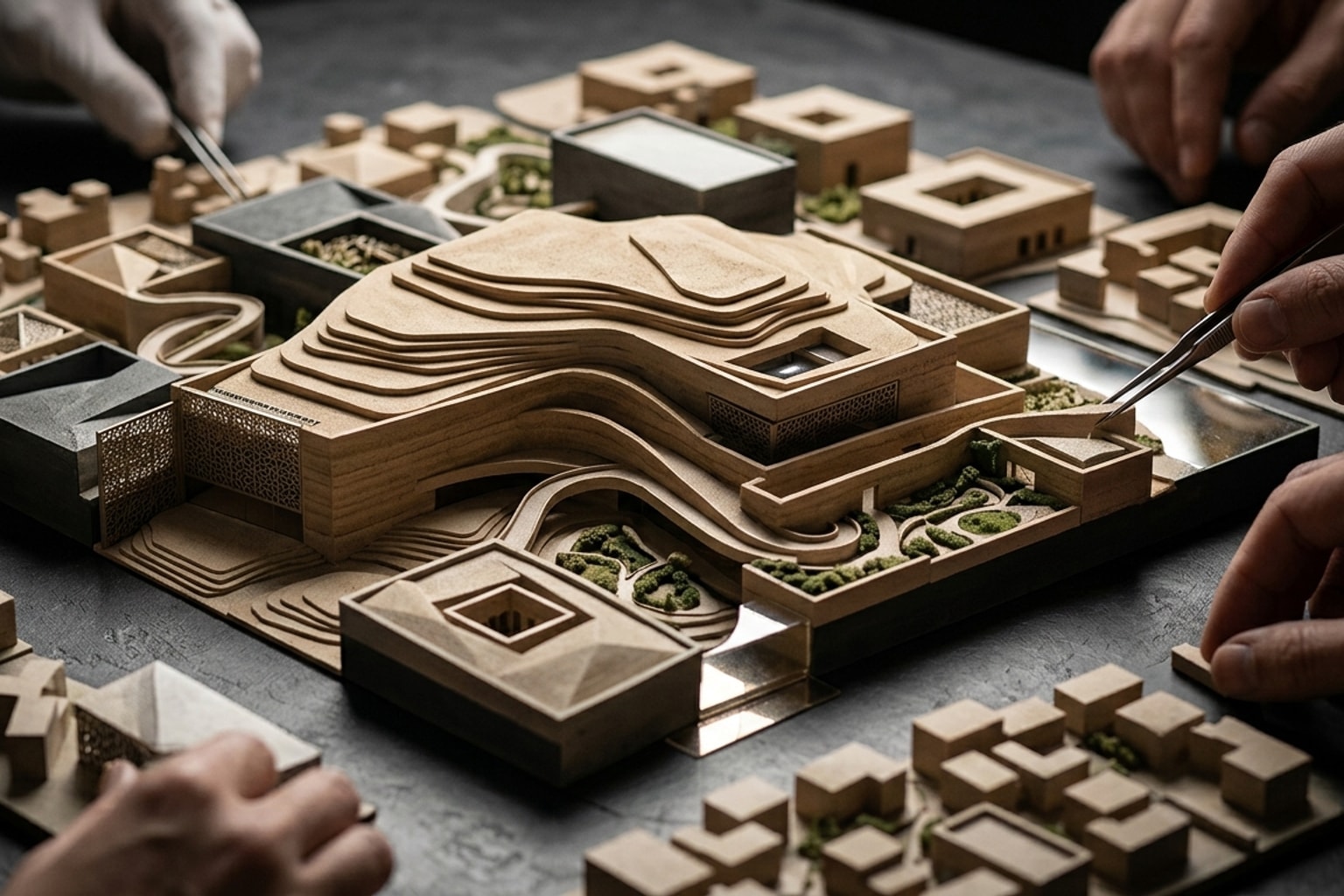
The architectural landscape of the Middle East is set for another monumental transformation. Swiss architectural powerhouse Herzog & de Meuron has officially unveiled its comprehensive masterplan for Al Maha Island, located in Lusail, Qatar.
Lusail, a planned city just north of Doha, has been rapidly expanding over the last decade, and this island project marks a crowning achievement in its urban evolution. The ambitious project promises to weave together high-end cultural institutions, commercial hubs, and residential zones into a single, cohesive island destination.
For architecture enthusiasts and cultural observers, this development is a compelling glimpse into the region’s continuing pivot toward becoming a global arts destination, making it a story well useful for anyone tracking urban design.
Why it matters
The design community is now buzzing following the initial publication of the project’s renderings and conceptual framework by designboom. According to the newly released details, the Al Maha Island masterplan is not merely a standard residential or tourist resort; it is heavily anchored by premier cultural institutions.
The blueprint encompasses the highly anticipated Lusail Museum alongside a groundbreaking new permanent home for Art Basel Qatar. By integrating these massive cultural heavyweights alongside a contemporary souk, sprawling gardens, restaurants, and extensive residential areas, Herzog & de Meuron is signaling a shift toward deeply integrated, mixed-use cultural urbanism.
The Swiss firm, known for iconic structures like London’s Tate Modern and Beijing’s Bird’s Nest stadium, brings a level of prestige that immediately elevates the project’s global profile. The unveiling provides the first concrete look at how these disparate elements will physically coexist on the island.
The catch
Beyond the striking visual renderings, the open question is the broader strategic implications of this masterplan. First is the sheer scale of Qatar’s cultural ambition. The inclusion of a permanent home for Art Basel Qatar represents a massive coup for the nation, potentially shifting the center of gravity for the international contemporary art market further into the Gulf region. The practical question is how this will compete with or complement existing cultural hubs in neighboring emirates.
Also, observers of Herzog & de Meuron’s extensive portfolio are curious about how the Pritzker Prize-winning firm will adapt its typically bespoke, context-driven aesthetic to a large-scale island development. The masterplan suggests an attempt to modernize traditional regional typologies—evidenced by the inclusion of a “contemporary souk”—while accommodating the rigorous infrastructural demands of global art fairs, climate-controlled museum spaces, and luxury waterfront living.
The integration of sprawling gardens and pedestrian-friendly zones also raises questions about outdoor climate management in a notoriously arid and hot environment.
What to verify
While the masterplan provides a sweeping vision, several critical details remain unconfirmed and require further journalistic verification as the project progresses.
- Construction Timelines: The current announcement does not specify ground-breaking dates or projected completion phases for the Lusail Museum or the Art Basel facility.
- Art Basel Partnership Structure: The exact operational nature of the “permanent home for Art Basel Qatar” needs clarification. It is unclear if this denotes a year-round exhibition space, an administrative headquarters, or a dedicated venue for an annual fair.
- Ecological Impact: As with any massive island development, the environmental footprint, sustainability measures, and impact on local marine ecosystems will need to be closely monitored and verified through independent environmental assessments.
- Residential Integration: How the extensive residential areas will be phased alongside the cultural institutions, and what demographic or market these housing units are explicitly targeting.
Source trail
Herzog & de Meuron’s newly revealed masterplan for Qatar’s Al Maha Island is a highly ambitious blueprint that merges luxury living with world-class art infrastructure. By anchoring the development with the Lusail Museum and a permanent Art Basel presence, the project aims to solidify Lusail’s status as a premier, globally recognized destination for contemporary culture and architectural innovation.
This analysis is based on the initial project unveiling and architectural summaries published by designboom on June 21, 2026. Further context about the firm’s historical projects can be found through architectural databases and previous coverage of Qatar’s cultural initiatives.