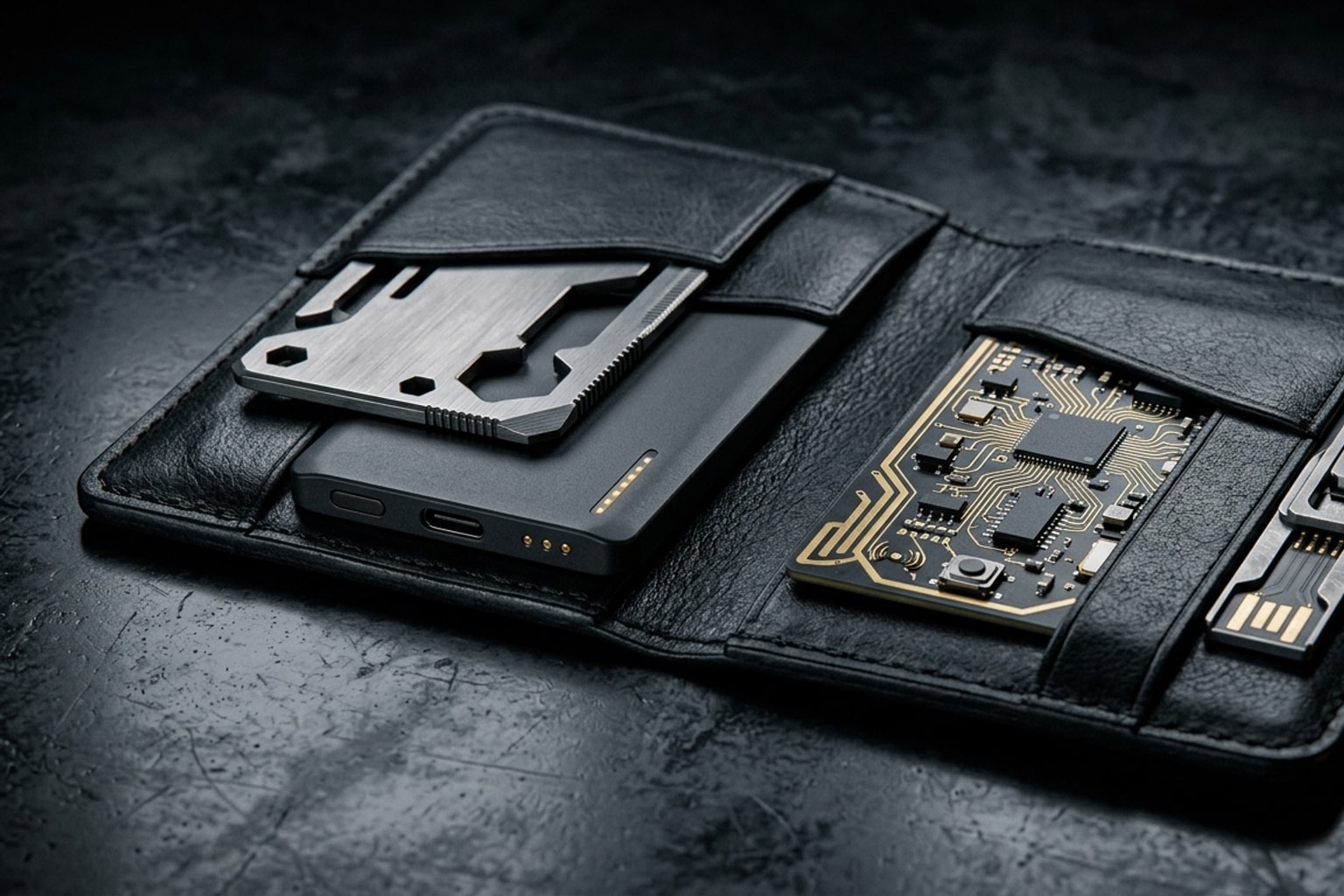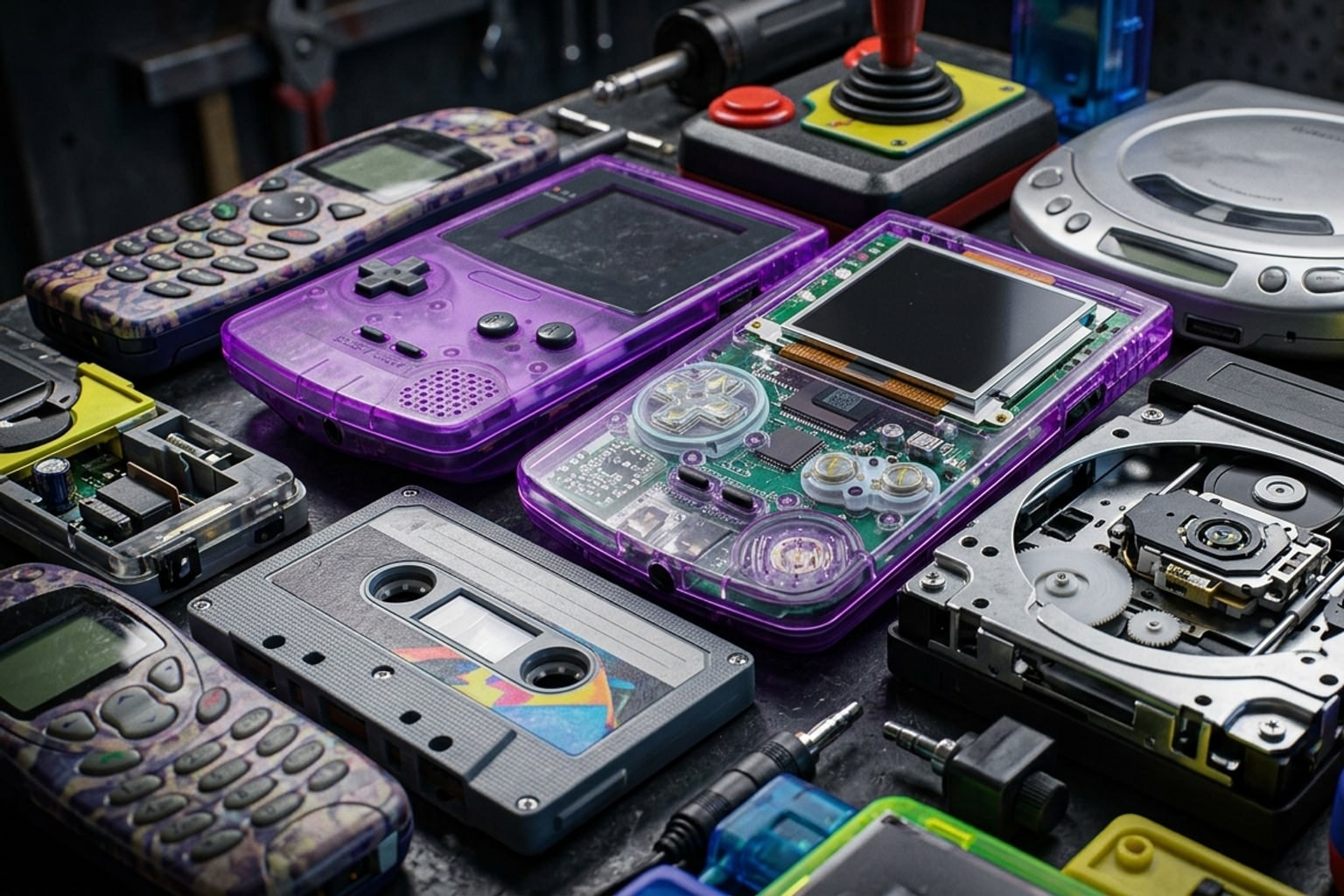
The sleek, uniform glass slabs that dominate today’s technology landscape are undeniably efficient, but they often lack a certain playful charm. Enter the 1990s tech revival.
A recent curation by SlashGear highlighting a dozen retro-inspired gadgets available on Amazon underscores a growing consumer appetite for the bold, divergent aesthetics of the late twentieth century. From translucent plastic shells to chunky, tactile buttons, the visual language of the 90s is experiencing a vibrant renaissance in the consumer electronics market.
The story matters because it highlights a fascinating cultural pivot where consumers are actively rejecting modern minimalist design in favor of the colorful, experimental hardware of their youth.
Why it matters
Nostalgia operates on a reliable cycle, typically resurfacing trends from two to three decades prior. As we move deeper into the 2020s, the 1990s have hit the sweet spot for cultural revival.
For millennials, these devices represent a comforting return to a simpler digital age—a time of nascent technologies when the internet was a destination rather than a constant companion. For Generation Z, the era offers a fascinating, almost mythical aesthetic that feels entirely fresh compared to the homogenous, hyper-connected devices they grew up with.
The visibility of these items on massive e-commerce platforms indicates that this is no longer a niche hobby for vintage electronics collectors. Manufacturers are recognizing that there is a viable, mainstream market for brand-new hardware that simply looks old.
The appeal lies in the stark contrast to contemporary industrial design; where today’s gadgets strive to be invisible and seamless, 1990s gadgets were loud, colorful, and proudly mechanical.
The catch
Beneath the surface of this retro resurgence, consumers are trying to navigate the intersection of form and function. People looking at these 1990s-style gadgets want to know if they are sacrificing modern performance for a vintage look. The ideal retro-inspired gadget offers a compromise: the beloved aesthetics of the past combined with the technological standards of the present.
People are looking for devices that feature translucent neon casings or beige, chunky keyboards, but they still expect them to connect via Bluetooth, charge via USB-C, and hold modern storage capacities like solid-state drives. It is less about returning to the limitations of 1990s technology and more about reclaiming the era’s optimistic and highly individualized design philosophy.
Consumers are fundamentally asking whether these modern retro finds are durable, daily-use electronics or merely cheap novelty items destined to become discarded waste after the initial wave of nostalgia wears off.
What to verify
To fully grasp the impact of this trend, several factors require further investigation. First, analysts should verify the build quality and electronic safety standards of these retro-inspired items, particularly those produced by lesser-known third-party sellers on digital marketplaces.
Second, it is worth tracking whether major, established technology hardware brands are beginning to incorporate 1990s design elements into their flagship product lines, or if this aesthetic will remain confined to budget accessories and novelty items. Finally, examining consumer reviews and long-term sales data will help determine if this is a fleeting micro-trend or a sustained shift in consumer electronics design preferences.
Source trail
The primary signal for this trend comes from a recent curation of 1990s-style gadgets published by SlashGear. For broader context on how the 1990s and Y2K aesthetics are influencing modern consumer goods, further context appears in design history archives or cultural analyses of technological nostalgia and industrial design trends.
The resurgence of 1990s-inspired gadgets on major retail platforms highlights a growing consumer fatigue with modern, homogenous tech design. By blending vintage, colorful aesthetics with contemporary functionality, these devices offer a playful, nostalgic alternative to the sleek glass and metal slabs of today.