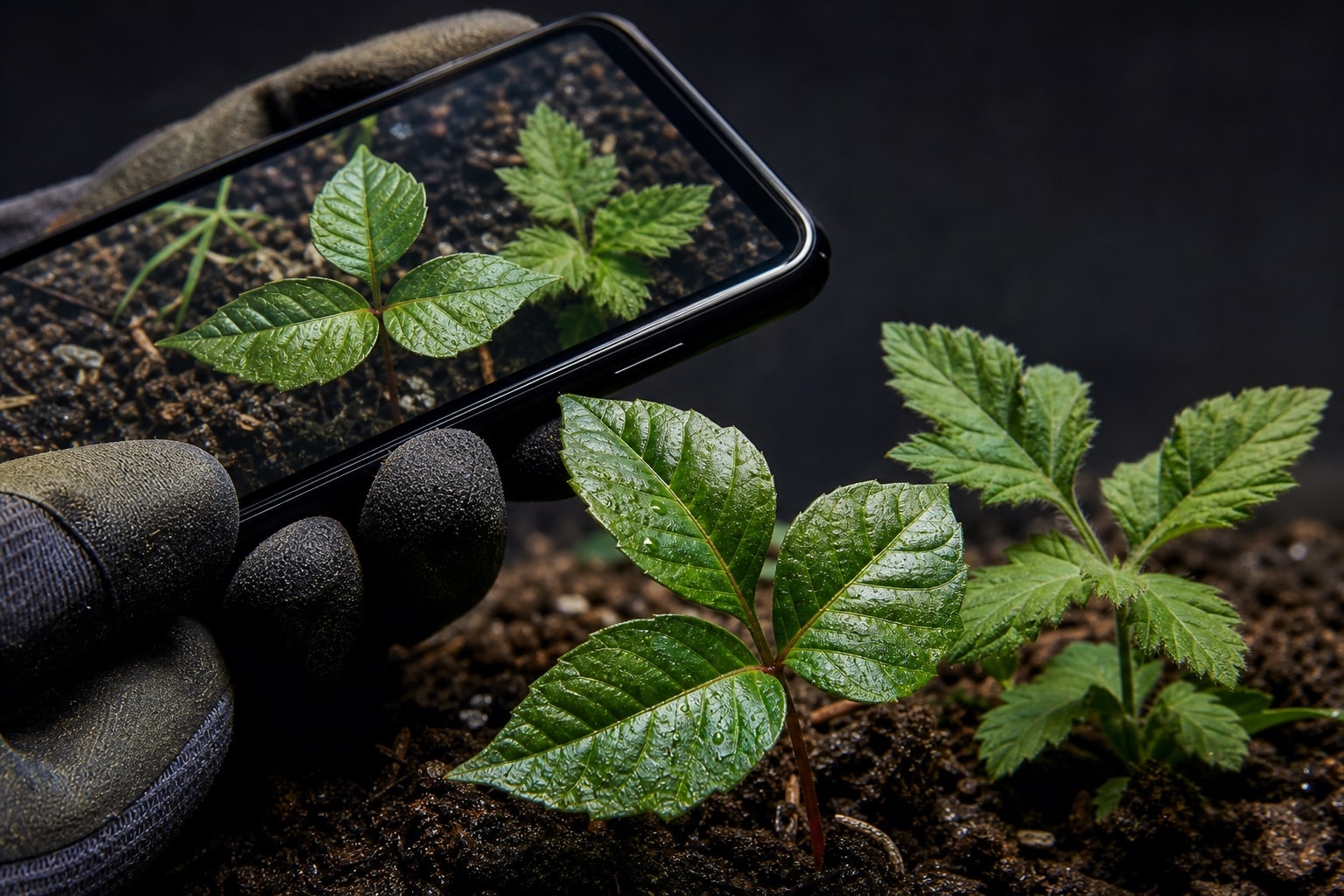
A writer with a severe plant allergy is using Google Gemini to navigate their garden. The artificial intelligence tool helps them identify poison ivy hidden among harmless weeds.
What happened
A recent report from Tom’s Guide highlights a practical everyday use for Google’s artificial intelligence. The author suffers from severe allergic reactions to poison ivy.
To stay safe while weeding, they use Gemini as a digital spotter.
Poison ivy is famous for its three-leaf clusters. However, many completely safe yard plants share this exact visual trait.
Boxelder bugs, fragrant sumac, and young raspberries all mimic the toxic vine.
The writer uses Gemini’s image recognition capabilities to scan the foliage. They point their smartphone camera at ambiguous plants before touching them.
The AI analyzes the leaf shapes, edge patterns, and stem structures. It then tells the gardener whether the weed is toxic or safe to pull.
This process turns a standard mobile device into a real-time botanical scanner. It helps the gardener avoid accidental contact with urushiol, the stubborn oil that causes severe skin rashes.
Why it matters
Artificial intelligence often makes news for generating text or creating strange digital art. This gardening case shows a grounded, physical use for multimodal AI models.
Image recognition tools are moving past novelty. They are becoming reliable enough for practical safety tasks in the physical world.
Distinguishing between a harmless vine and a toxic weed is difficult for an untrained eye. A single mistake during a weekend yard project can cause weeks of severe skin irritation.
Using a visual AI assistant lowers the barrier for safe outdoor work. It proves that consumer AI can solve immediate problems outside the office.
People can use the technology as a reliable companion in the dirt. It bridges the gap between complex software and everyday household chores.
The catch
Relying on software to prevent medical issues carries obvious inherent risks. Large language models and computer vision tools still make errors.
A false positive might just save a harmless weed from being pulled. A false negative, however, could send a severely allergic person to the hospital.
Environmental factors heavily influence the accuracy of image recognition. Camera quality, harsh shadows, and dirt on the lens can confuse the software.
Plant maturity also changes how a leaf looks. Gemini might easily identify a mature poison ivy vine but struggle with a newly sprouted seedling.
The AI serves as a helpful guide, but it is not a flawless botanist. Users still need a basic understanding of what to avoid.
What to verify
Check if the specific Gemini vision feature requires a strong cellular signal to process plant images. Many cloud-based AI tools fail in dead zones at the back of a yard.
Look for independent botanical tests on Gemini’s accuracy rates for identifying toxic plants. Compare its success rate against dedicated plant identification apps.
Verify whether dermatologists actually recommend relying on consumer AI for allergy prevention.
Source trail
The original hands-on experience was documented by Tom’s Guide.
For more details on how Google handles multimodal image recognition, review the official Google Gemini FAQ.