Architecture firm Morphogenesis has completed the Dakshana Valley Institute in Khed, India. The residential school abandons traditional institutional layouts.
Instead, it blends a sprawling campus directly with the surrounding natural landscape.
What happened
The facility sits on a 109-acre site. It features a natural north-to-south slope that leads down to a nearby lake.
Funded by the Dakshana Foundation, the school serves gifted students from low-income households. These scholars live on campus while preparing for rigorous medical and engineering examinations.
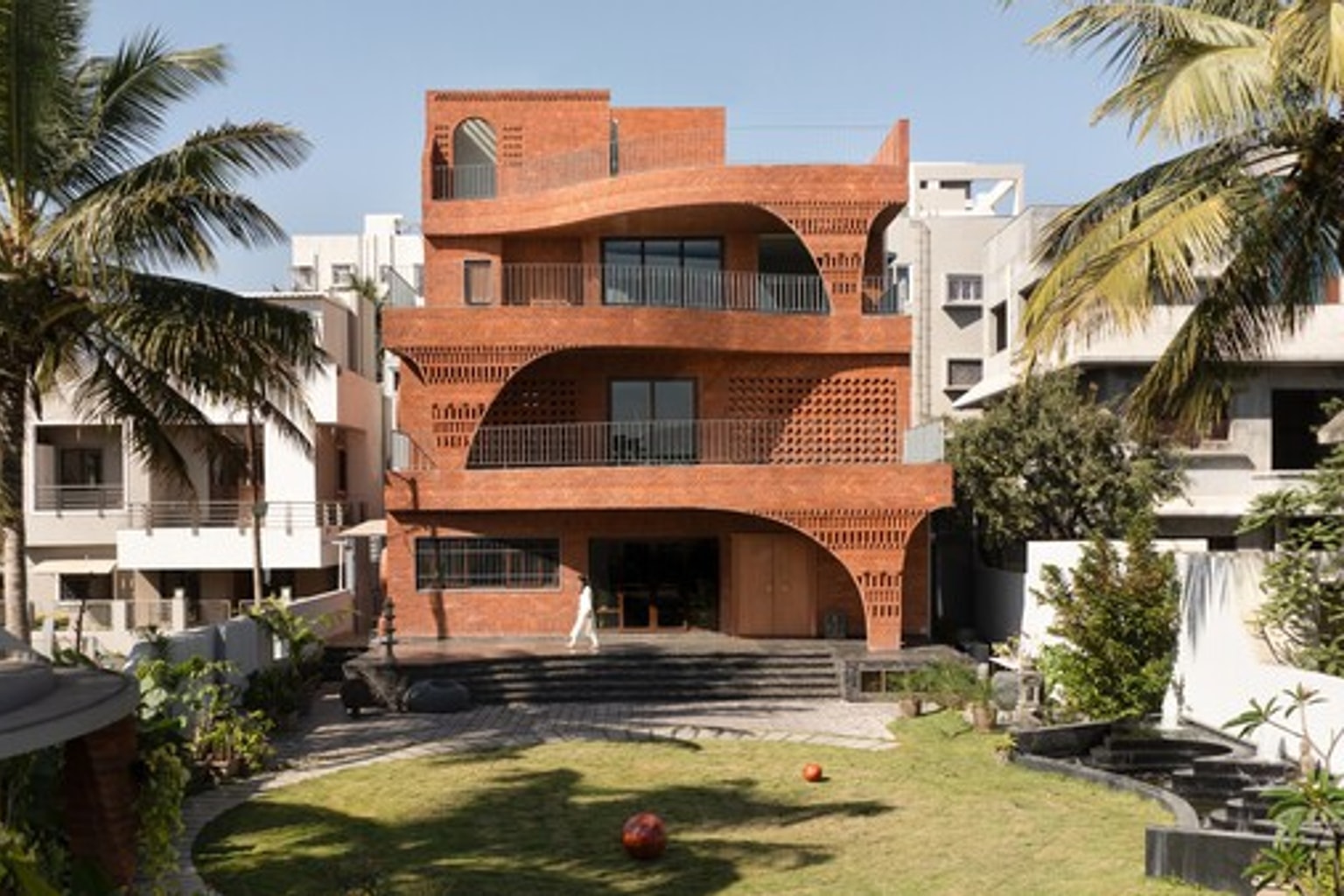
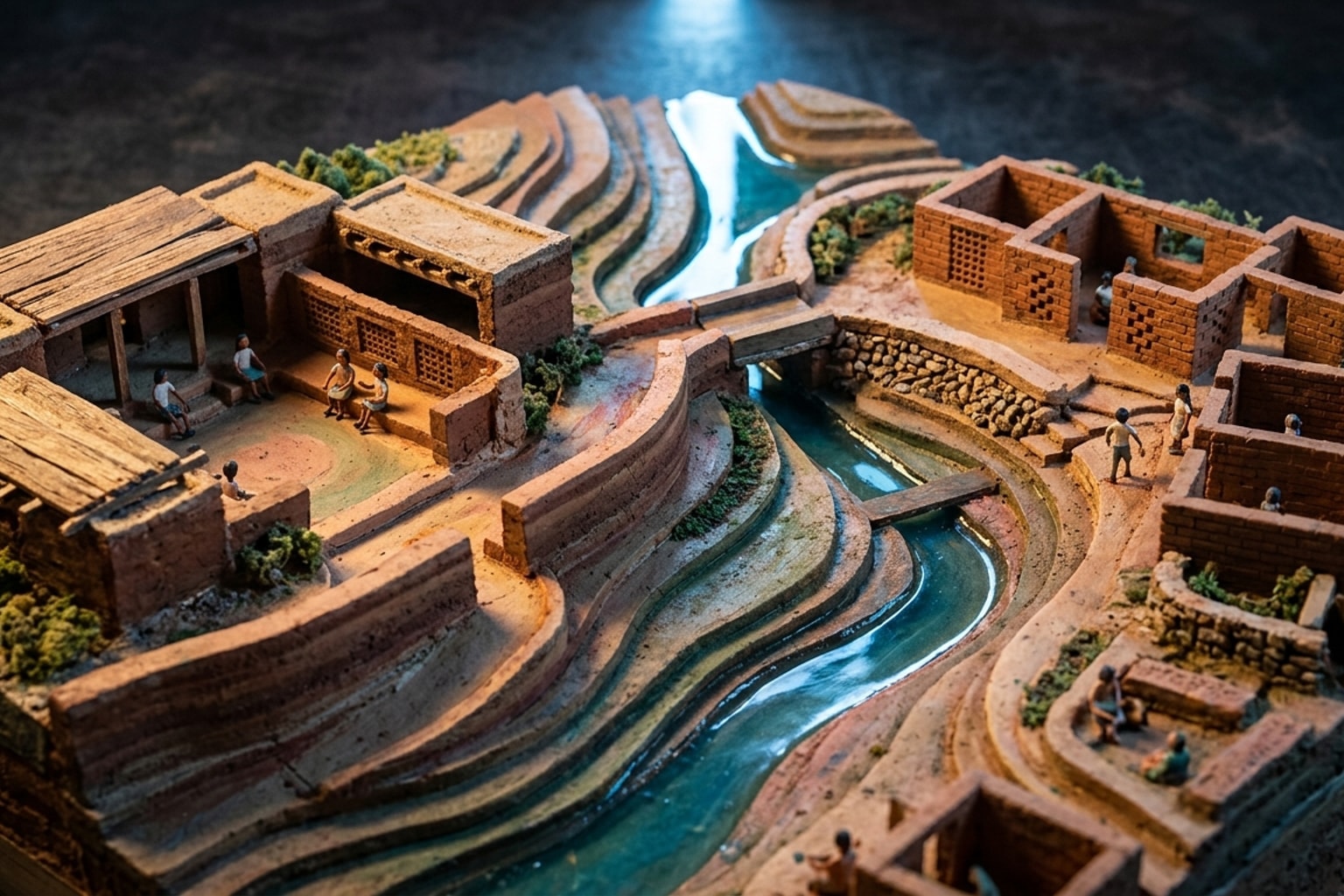
A distinctive brick building anchors the heart of the campus. Designers based the internal layout on a meandering lane concept.
This layout mimics the informal dirt paths found in the students’ native villages. The central route connects 13 classrooms, a dining hall, and a dedicated knowledge center.
A curved arrival pavilion frames panoramic views of the valley below. It also overlooks an outdoor amphitheater.
Builders relied heavily on an earthy, tactile material palette. The construction incorporates basalt, wood, terracotta, and Shahabad stone.
Why it matters
Standard school facilities often feel rigid and disconnected from the outdoors. This design uses the terrain as an active tool for learning.
Morphogenesis co-founder Manit Rastogi says the primary axis ensures the landscape remains a constant companion to students.
The design also directly addresses the region’s harsh, humid climate. The chosen brick blocks reduce heat gain by nearly 50 percent.
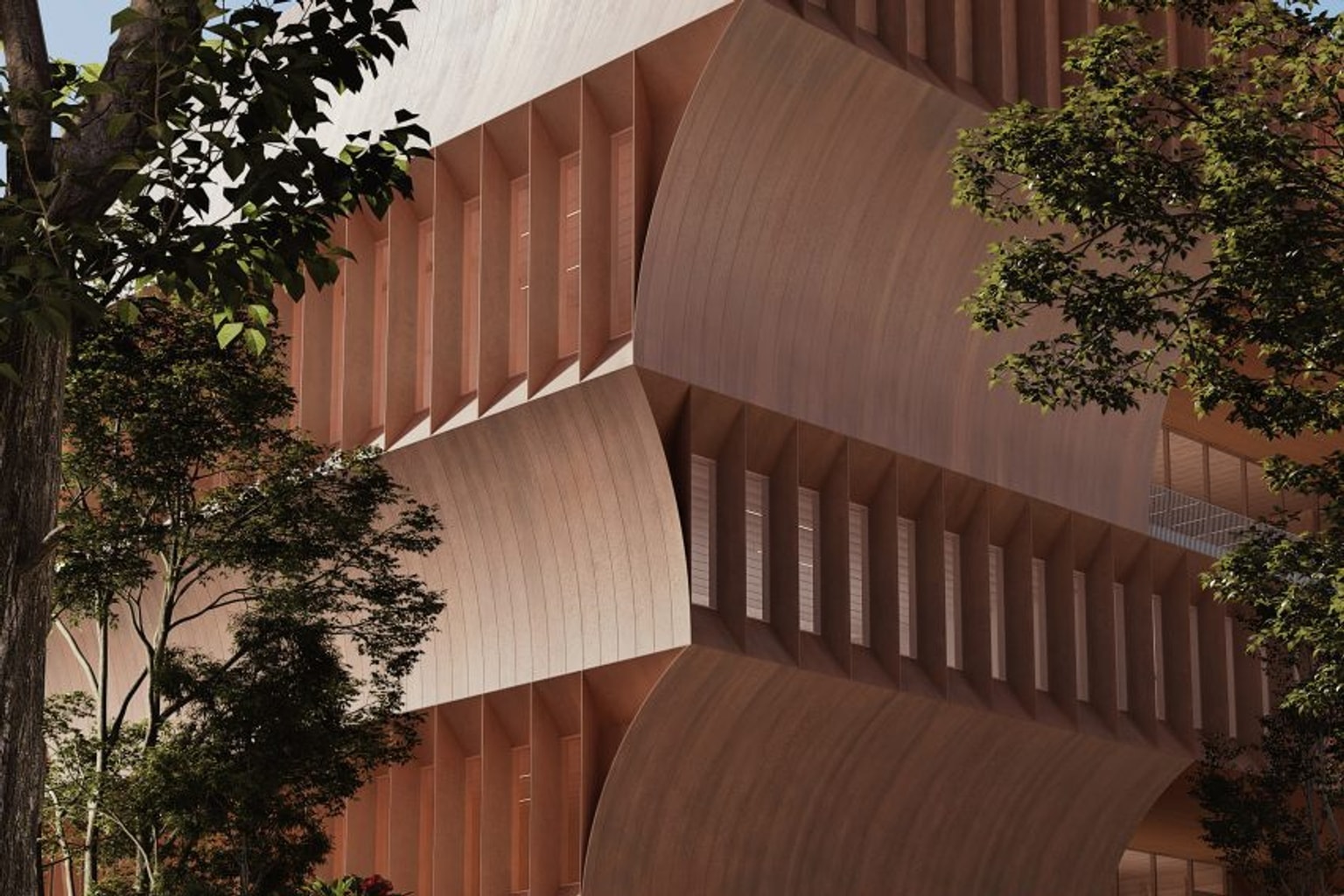
Lecture halls feature window sills equipped with light shelves. Vertical fins block direct sun glare while promoting natural cross-ventilation.
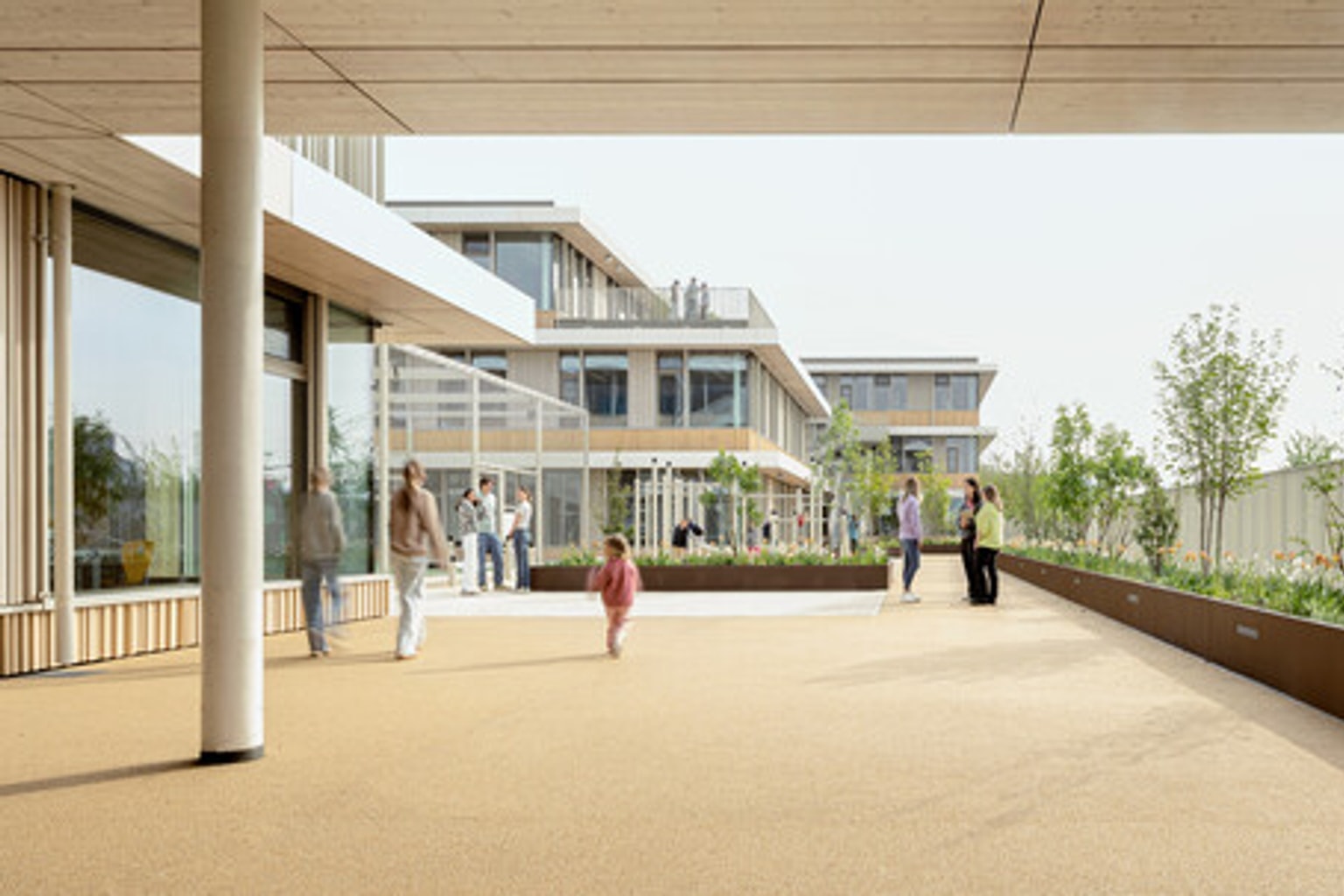
Shaded buffer zones sit near the entrances. These zones prevent crowding and reduce ambient noise between classes.
Covered verandas act as overflow spaces to encourage spontaneous student interactions. Outdoor nooks give individuals quiet places to read or relax.
Morphogenesis co-founder Sonali Rastogi notes the brick provides a home-like warmth. This deliberately fosters a sense of belonging.
Many of these rural teens are traveling away from their families for the very first time.
The catch
The architectural success relies heavily on its specific rural terrain. A 109-acre sloping valley is not an option for most standard school districts.
The campus also serves a highly specific demographic. It functions as an elite exam-preparation center for top scholars, rather than a general public high school.
The design’s heavy reliance on natural cross-ventilation depends on clean rural air. This passive cooling approach might not translate well to dense, polluted urban environments.
The open-air buffer zones also leave students exposed during severe monsoon rains.
What to verify
Independent temperature readings could confirm the exact 50 percent heat reduction claim.
Post-occupancy evaluations would show how the open-air buffer zones perform during extreme weather events.
The long-term durability of terracotta and exposed wood in a humid climate requires ongoing monitoring.
Educational researchers could also track if the meandering campus layout actually reduces student stress during intense exam preparation.
Source trail
The project details and architectural photography were originally published by Design Milk. The article features photography by Anuj Joshi.
Additional portfolio information, firm history, and details on sustainable architecture practices are available through the official website for Morphogenesis.