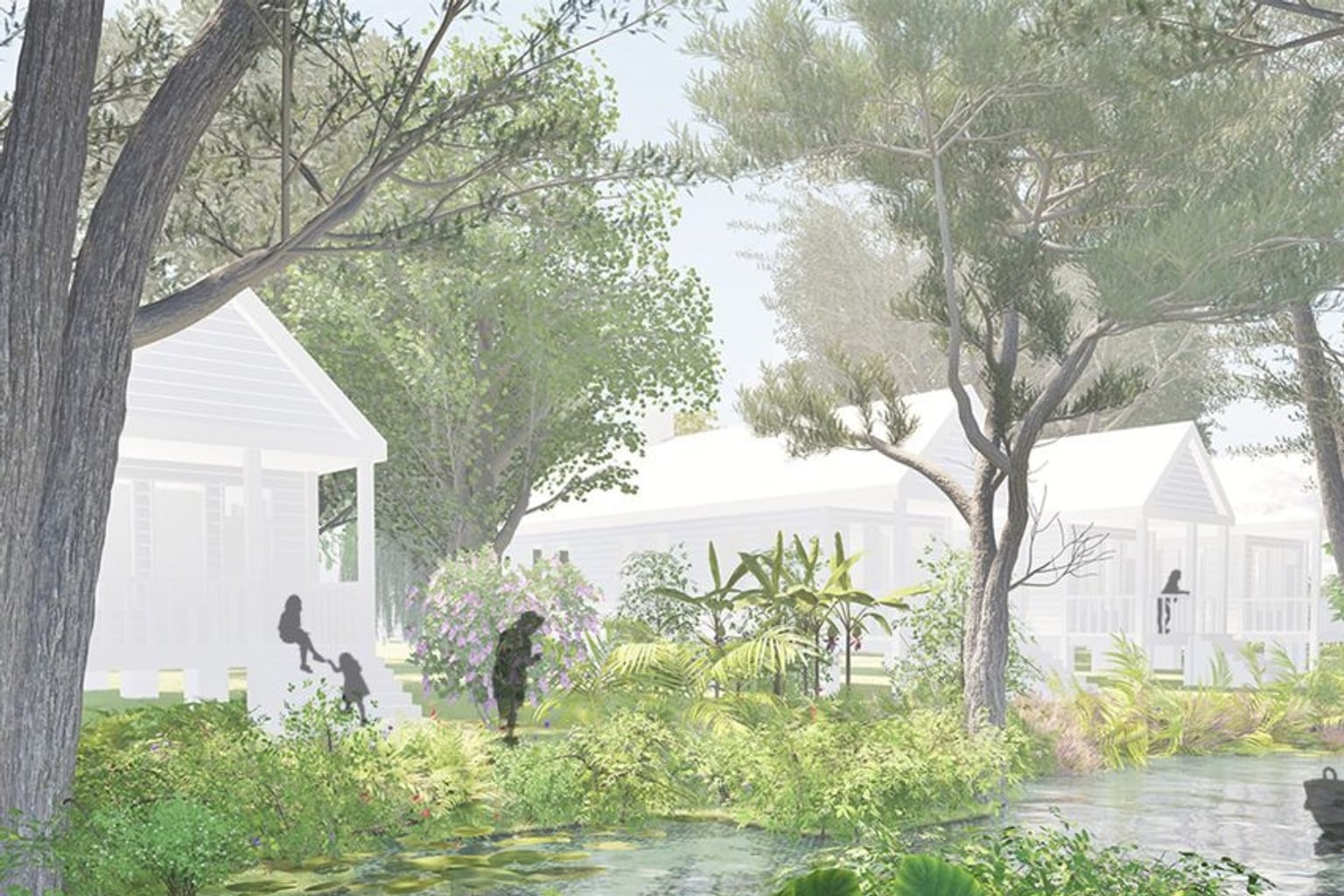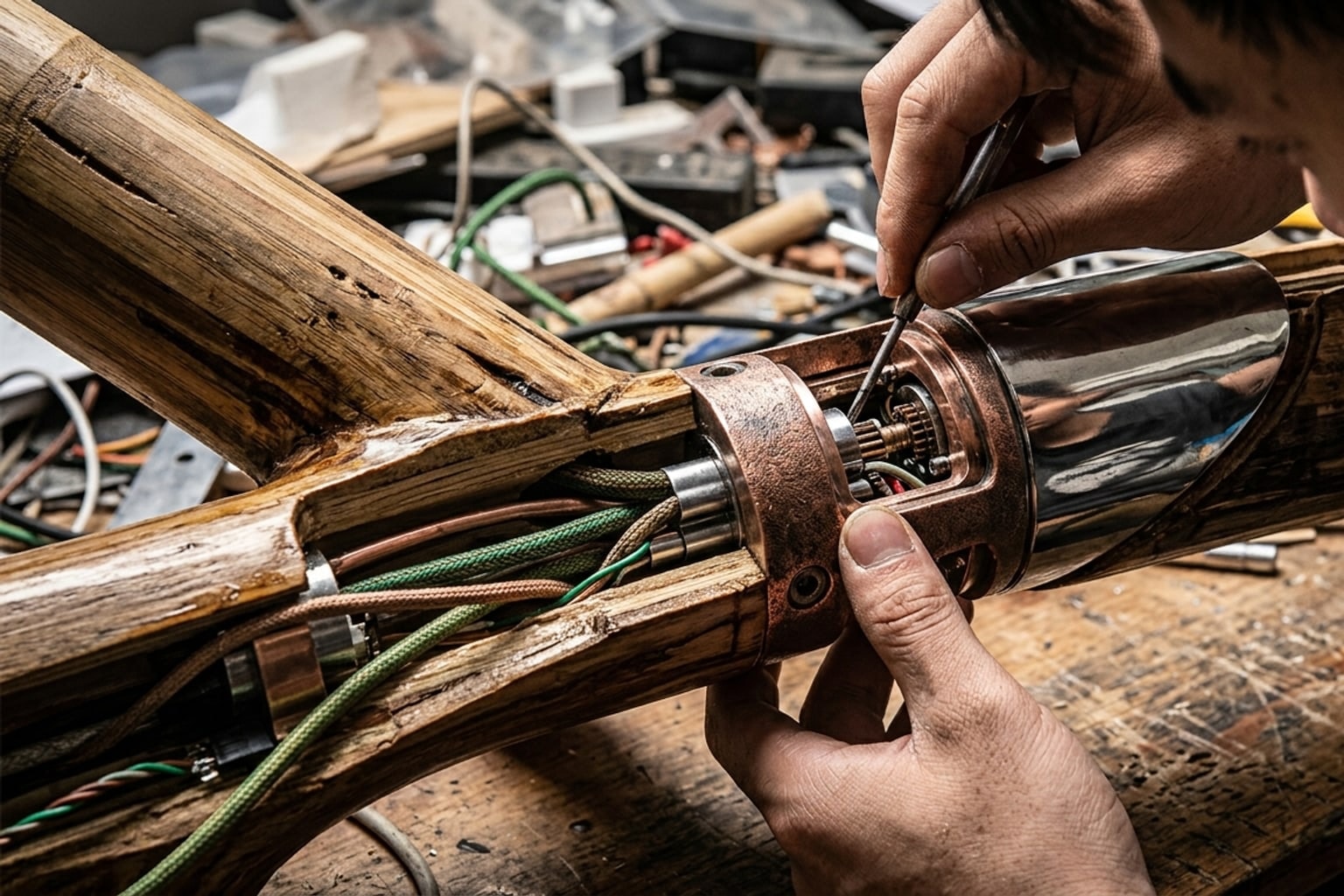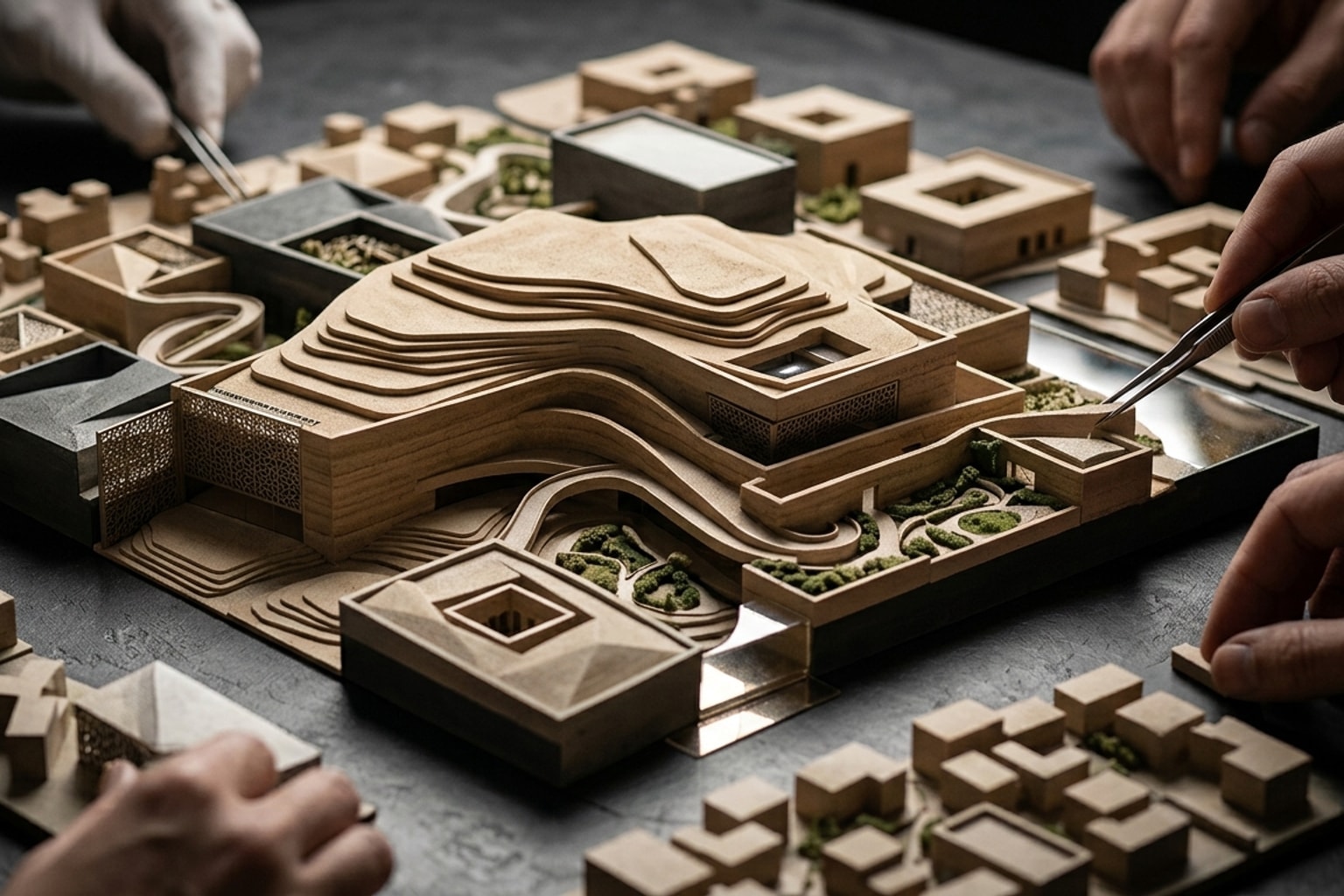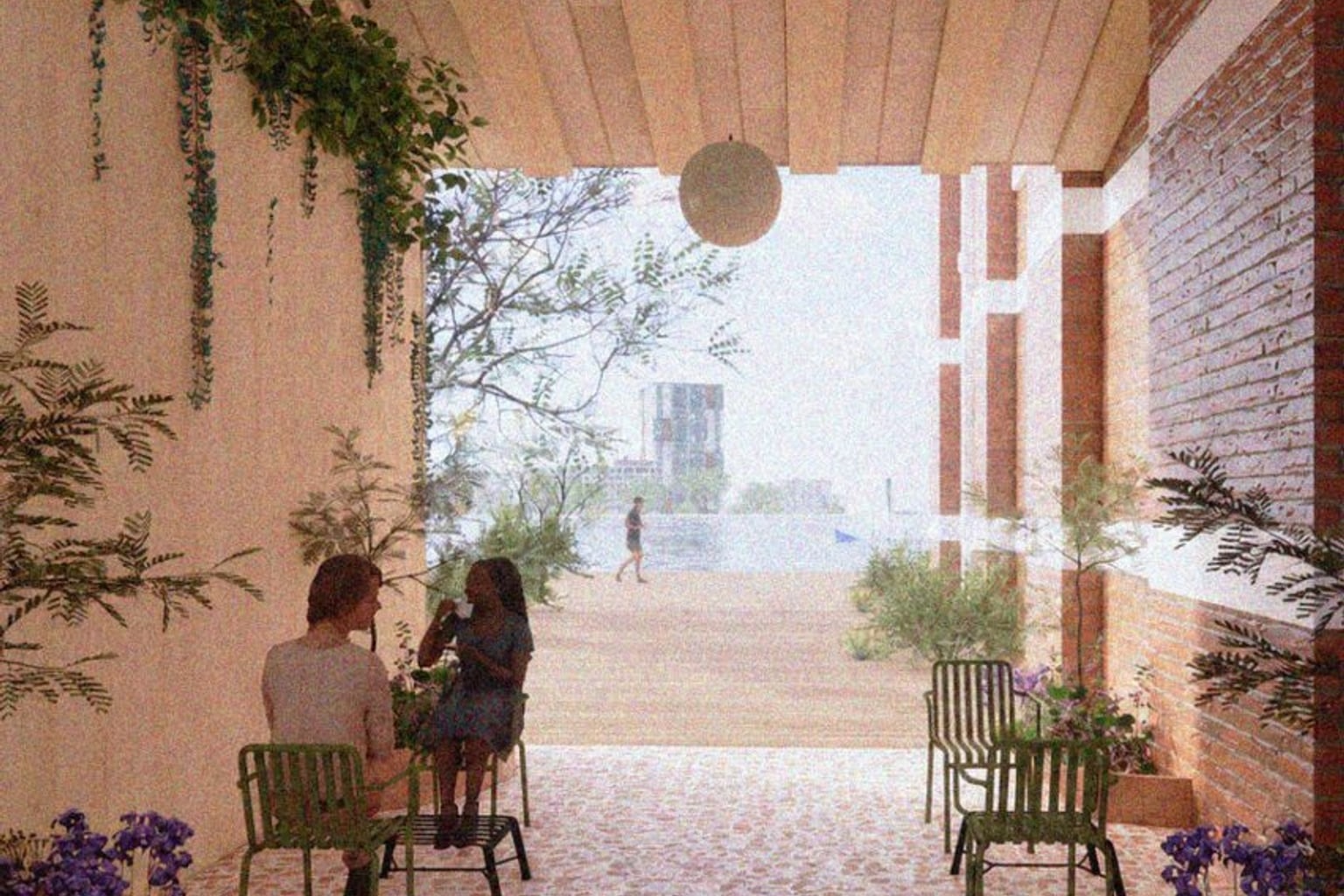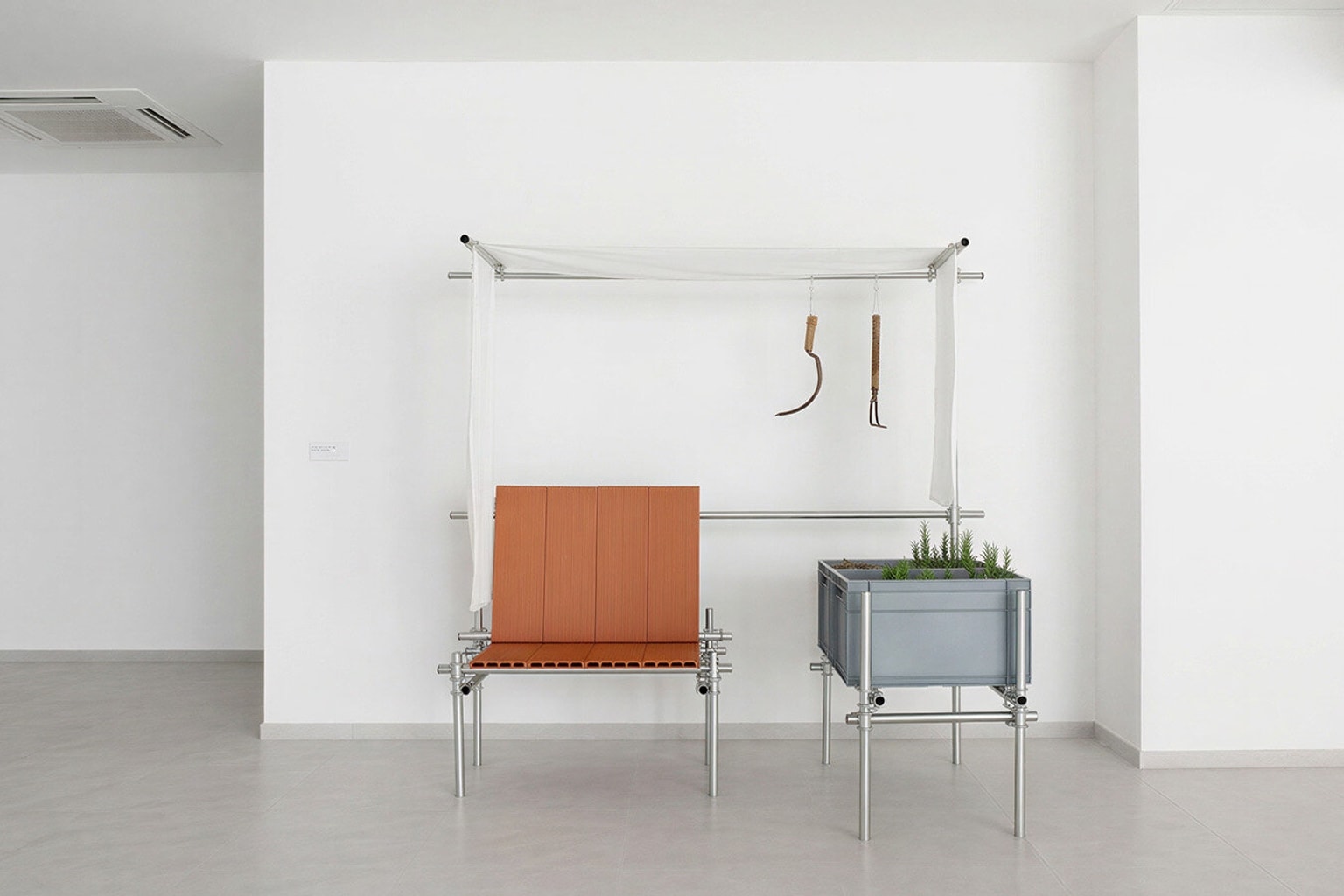
As global populations increasingly concentrate in metropolitan hubs, the question of how we will inhabit the cities of tomorrow has never been more urgent. Enter “Ideas Para Después” (IPD), a newly highlighted exhibition that transforms urban anxiety into creative exploration.
Featured recently in the design and architecture publication Designboom, the showcase highlights the work of students who are using speculative design to map out alternative urban futures. Through a curated collection of installations, objects, and visual narratives, these young creators are challenging the status quo of city planning.
This exhibition provides a fascinating glimpse into tomorrow’s living conditions, making it a compelling story to share with anyone passionate about urbanism, sustainability, and the intersection of art and civic infrastructure.
Why it matters
The conversation surrounding the IPD exhibition is gaining traction following its feature in Designboom, a leading digital magazine for architecture and design culture. Published in late June 2026, the coverage taps into a growing cultural appetite for solutions—or at least structured inquiries—about the future of urban life.
As cities grapple with compounding pressures from climate change, resource scarcity, and rapid technological shifts, traditional urban planning often feels inadequate. Speculative design has emerged as a powerful tool to bridge this gap.
By presenting physical objects and immersive visual narratives rather than dry policy papers, the exhibition offers audiences a tangible way to interact with abstract future scenarios. The timing of the IPD showcase perfectly aligns with a broader societal push to rethink how human habitats can evolve in the face of unprecedented global challenges.
The catch
At the core of the interest in “Ideas Para Después” is a desire to understand what speculative design actually looks like in practice and how it applies to city living. People are looking to unpack how students are translating complex urban theories into physical installations and conceptual objects. Unlike traditional industrial design, which focuses on solving immediate consumer problems, speculative design operates as a laboratory of ideas. It asks “what if?” and “what next?”
Audiences want to know how these visual narratives address the friction between human needs and urban constraints. Are these students imagining utopian smart cities driven by seamless technology, or are they preparing for grittier, resource-scarce environments requiring radical adaptation?
Because the exhibition relies on installations and objects, it invites the public to step inside these alternative realities. the open question is the underlying messages of these student projects, interpreting them as a barometer for the anxieties and aspirations of the next generation of architects, designers, and urban thinkers.
What to verify
Because the initial reports provide a high-level overview of the exhibition’s conceptual framework, several practical details remain to be confirmed for those looking to engage deeper.
- Venue and Accessibility: It is necessary to verify the physical location of the “Ideas Para Después” exhibition, its run dates, and whether there is a digital counterpart for international audiences to explore the installations virtually.
- Participating Institutions: Identifying the specific universities, design schools, or student collectives behind the IPD initiative will provide crucial context regarding the academic backing of the project.
- Specific Themes: Further investigation is needed to detail the exact urban issues tackled by individual objects and visual narratives—such as whether they focus heavily on ecological integration, artificial intelligence in civic spaces, or new modes of community housing.
Source trail
The “Ideas Para Después” exhibition serves as a vital platform for young designers to rethink the trajectory of urban environments. By abandoning traditional constraints in favor of speculative design, students have created a series of thought-provoking installations and visual narratives that challenge our assumptions about city living.
It is a creative laboratory that does not just predict the future, but actively questions what kind of future we should be building.
The primary information about the “Ideas Para Después” exhibition originates from Designboom’s coverage on the intersection of tech, culture, and speculative student projects. For broader context on how speculative design shapes urban planning, further context appears in resources from the Design Futures Initiative, which tracks similar forward-looking methodologies across the globe.
What to watch next
The useful follow-up is not only that students explore the future of urban life through speculative design exhibition is circulating, but whether the next reports add verifiable detail: dates, locations, measurements, documents, expert review, or a primary record that the public can inspect. The source trail includes more designboom coverage while watching for primary-source updates. Until those details are public, the careful version is to treat the story as interesting evidence in motion rather than a finished conclusion.
That is also why the story is worth treating carefully. It gives the update a concrete object or event to follow, but it should travel with the limits still attached: what is known now, what remains provisional, and what would make the claim stronger when the next update arrives.