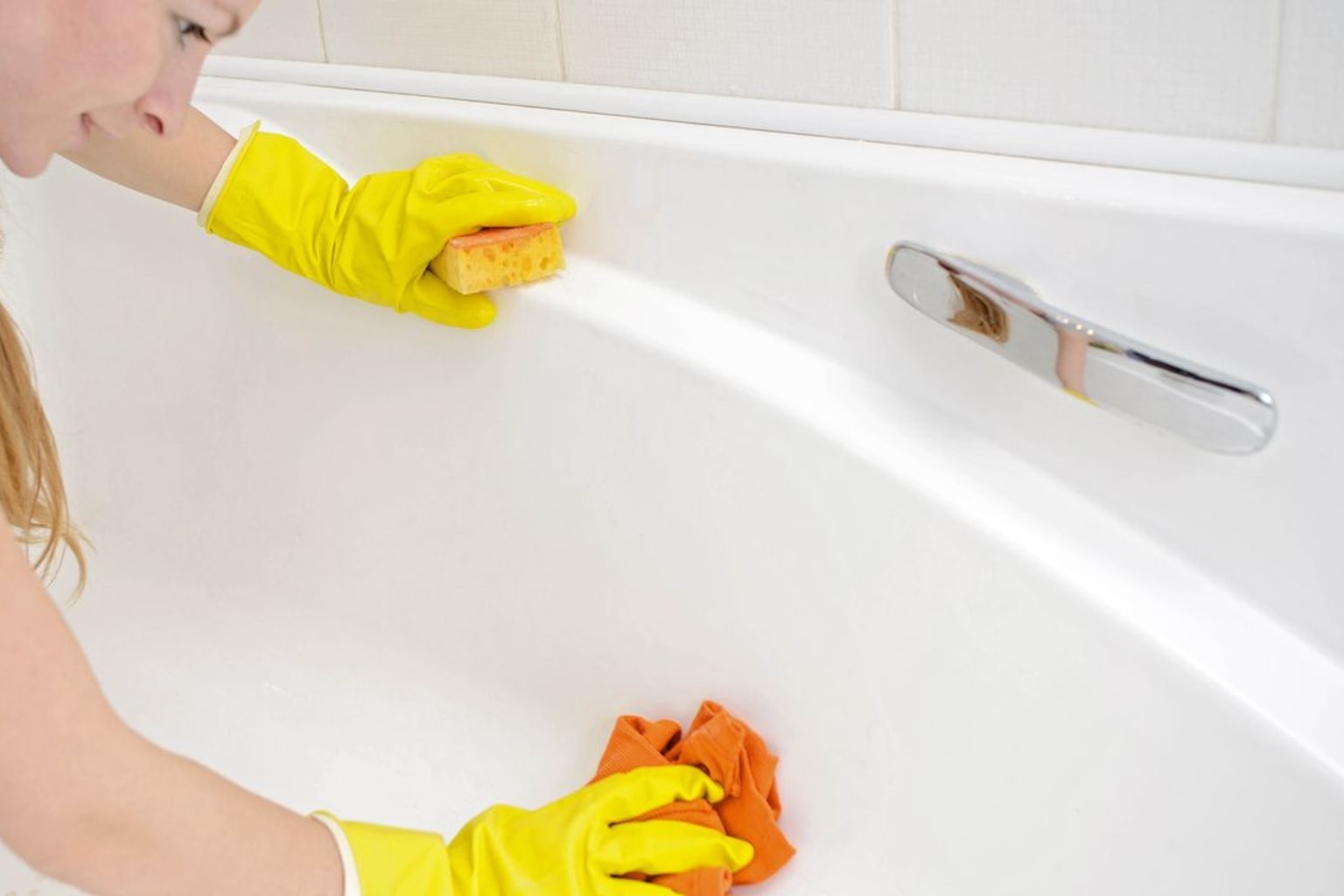
Anyone who has ever scrubbed a shower or maintained a bathroom has likely encountered the dreaded pinkish residue that accumulates in grout lines, along shower curtains, and around drains. It is a stubborn, unsightly nuisance that often feels impossible to banish permanently.
Now, a renewed focus on household maintenance is bringing this common bathroom invader back into the spotlight, with a particular emphasis on eco-friendly eradication. The detail matters for anyone who has spent hours scrubbing bathroom tiles only to see the mysterious pink stains return weeks later.
Why it matters
The conversation around household grime is experiencing a notable shift toward accessible, non-toxic solutions. Recently, the popular consumer technology and lifestyle publication Tom’s Guide published a comprehensive overview addressing the persistent problem of pink mold in residential bathrooms.
The timing aligns with a broader cultural movement toward sustainable living and indoor environmental health.
Rather than recommending harsh industrial chemicals or specialized, expensive commercial cleaners, the recent coverage highlights the efficacy of natural kitchen staples. This framing resonates strongly with modern audiences who are increasingly cautious about introducing volatile organic compounds or aggressive bleaches into their poorly ventilated bathroom spaces.
By positioning everyday pantry items as the ultimate weapon against bathroom grime, lifestyle outlets are tapping into a growing demand for cost-effective, immediate, and environmentally conscious DIY home care strategies.
The catch
At the core of this trending topic is a fundamental misunderstanding about the nature of the pink substance itself. People are primarily trying to figure out exactly what they are dealing with when they spot those salmon-colored rings around their drains. While colloquially referred to as “pink mold,” home maintenance experts and microbiologists frequently note that the culprit is rarely a fungus at all. Instead, it is typically an airborne bacterial species, which thrives in the damp, warm, and soap-scum-rich environments of typical household bathrooms.
Beyond the biological classification, people are desperately seeking permanence. The primary frustration with bathroom slime is its tendency to return shortly after a deep clean.
Consequently, the open question is the specific chemical reactions that make natural kitchen staples effective. They want to know if these accessible household items are merely bleaching the color away or if they are genuinely altering the pH of the bathroom surfaces to create an inhospitable environment for future bacterial growth.
The promise that a simple pantry raid could provide a permanent fix is highly appealing, driving people to seek out the exact ratios and application methods required for success.
What to verify
While the promise of using natural kitchen ingredients is compelling, several practical details require further verification. First, homeowners will need to confirm exactly which staples are being recommended—commonly, these methods involve acidic or abrasive agents like white vinegar and baking soda, but the specific application times and scrubbing techniques are crucial for efficacy.
Also, it remains to be seen how these natural DIY solutions compare to commercial biocides in terms of long-term prevention. Reporters and home care testers should investigate whether natural staples can penetrate porous surfaces like unsealed grout as effectively as synthetic alternatives.
Finally, verification is needed about the preventative measures required to keep the pink residue from returning, such as improving bathroom ventilation or altering daily shower routines to reduce lingering moisture.
Source trail
- The persistent issue of “pink mold” in bathrooms is gaining fresh attention from lifestyle and home maintenance publications.
- Recent advice pivots away from harsh chemicals, focusing instead on the effectiveness of natural, everyday kitchen staples.
- People are highly motivated by the prospect of an eco-friendly, cost-effective, and permanent solution to a universal household annoyance.
- The true nature of the pink residue—often a bacteria rather than a true mold—continues to surprise many homeowners.
This analysis is based on recent home maintenance reporting, specifically a guide published by Tom’s Guide detailing the eradication of pink mold using natural kitchen ingredients. For further context on household cleaning trends, consumers often consult environmental health resources about indoor air quality and moisture control.