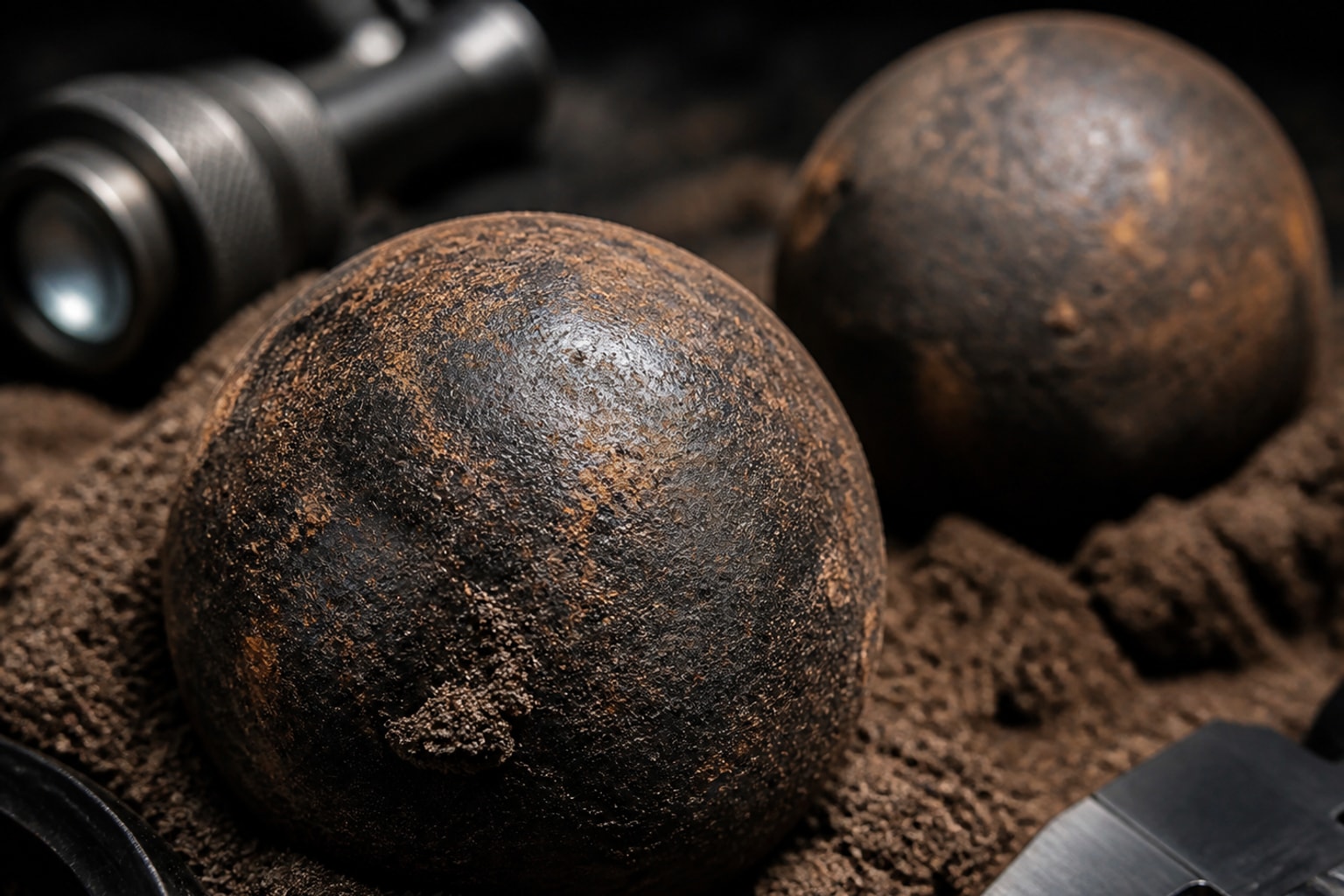
A newly discovered cannonball from the 1836 Battle of the Alamo is giving historians a tangible connection to both sides of the legendary siege. Quick takeaway: Archaeologists have identified a second cannonball from the historic battleground, and experts believe it was fired by Texan defenders.
History enthusiasts are sharing this development because finding physical munitions fired from within the Alamo offers a rare, balanced archaeological glimpse into a heavily mythologized conflict.
Why it matters
According to a June 2026 report from Live Science, archaeologists have unearthed a second cannonball linked to the historic siege. What makes this particular unearthing a “huge deal,” as experts described it in the report’s title, is its trajectory and origin: researchers believe this newly found artillery shell was likely fired outward by the Texan defenders.
The catch
The Battle of the Alamo in 1836 remains one of the most intensely studied engagements in North American history, but physical artifacts from the exchange of artillery fire are surprisingly rare. The summary of the recent discovery notes that researchers now possess a cannonball from each side of the conflict. Previously, the archaeological record highlighted a projectile fired by the Mexican forces. For people following the excavation, the fascination lies in how this second iron sphere balances the historical record, providing concrete, physical evidence of the return fire launched from inside the mission’s walls.
What to verify
While the initial announcement establishes the artifact’s likely Texan origin, several archaeological specifics remain to be confirmed by the excavation team. Future updates will need to verify the exact caliber and weight of the cannonball to match it against historical inventories of the Alamo’s known artillery pieces.
Also, observers will be waiting for details on the specific excavation site within the Alamo complex where it was found, as well as the ongoing conservation methods required to preserve the artifact.
Source trail
The original reporting stems from Live Science, which detailed the archaeological find and its significance to the historical record of the 1836 siege. Read the original Live Science report here.
What to watch next
The useful follow-up is not only that ‘It’s a huge deal’: Archaeologists discover second cannonball from the Battle of the Alamo, and it was likely fired by Texans is circulating, but whether the next reports add verifiable detail: dates, locations, measurements, documents, expert review, or a primary record that the public can inspect. The source trail includes more Live Science coverage while watching for primary-source updates. Until those details are public, the careful version is to treat the story as interesting evidence in motion rather than a finished conclusion.
That is also why the story is worth treating carefully. It gives the update a concrete object or event to follow, but it should travel with the limits still attached: what is known now, what remains provisional, and what would make the claim stronger when the next update arrives.