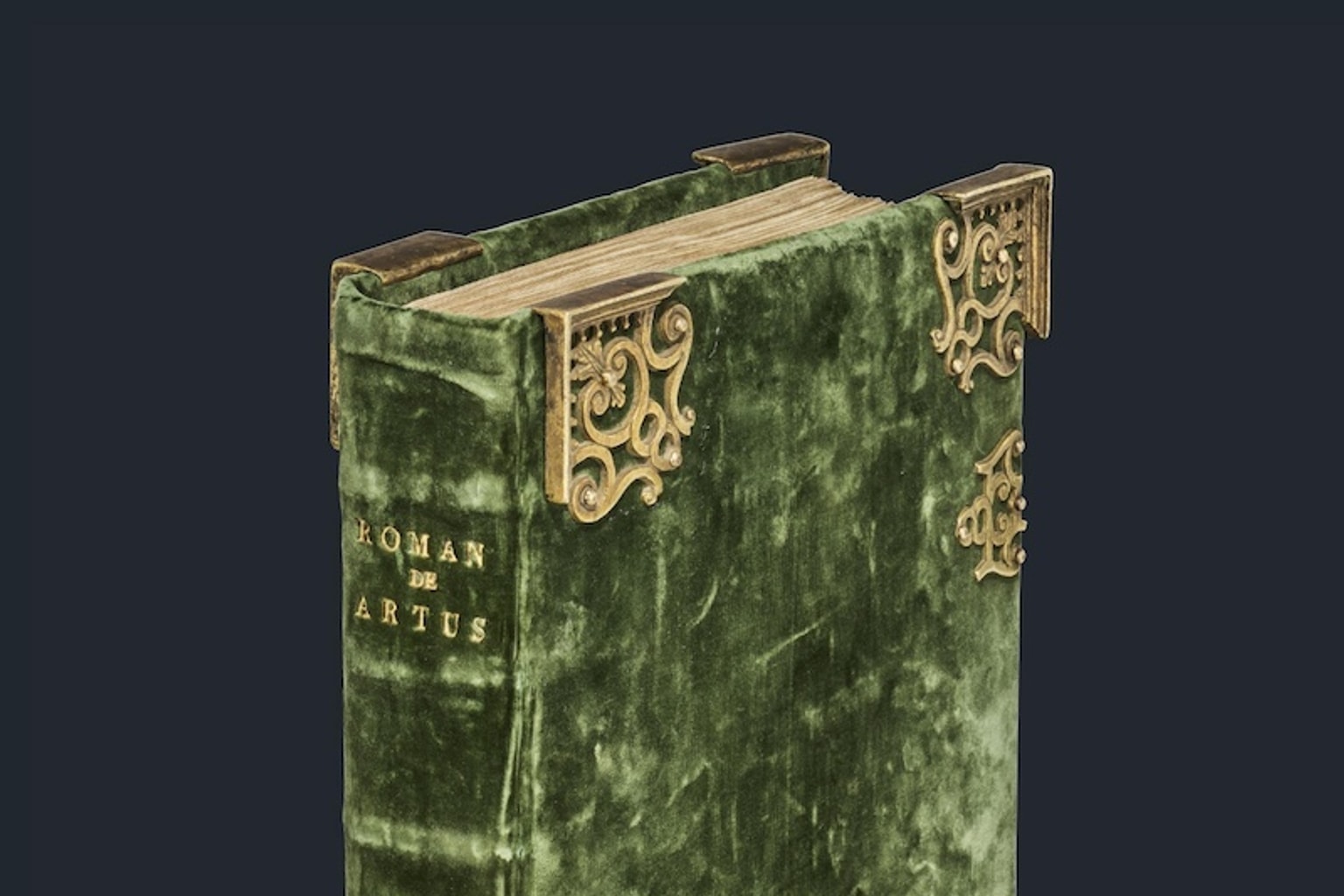
For centuries, the legendary exploits of King Arthur, the wizard Merlin, and the Knights of the Round Table have captivated the global imagination. These mythologized tales have been endlessly rewritten, shaping the very foundation of Western storytelling and fantasy literature.
Now, a monumental piece of that literary history is stepping out of the archives and into the public eye. According to recent reports, one of the earliest surviving manuscripts containing these foundational Arthurian legends is preparing to go up for auction.
This rare convergence of ancient history and modern literary commerce makes for a fascinating story to share with anyone who grew up mesmerized by tales of Camelot, as it offers a tangible link to the origins of our most enduring myths.
Why it matters
The sudden surge in interest follows a recent highlight published by My Modern Met, which brought the impending auction of this rare manuscript to the attention of internet culture and art design enthusiasts.
While ancient texts frequently change hands in private sales, the public auction of a document described as one of the earliest surviving editions of the King Arthur narrative is a major event for bibliophiles, historians, and literary collectors alike.
Historically, Arthurian legends were passed down through oral traditions before being codified by medieval writers. Because paper and early parchment degrade over time, and because many libraries have been lost to fire or war over the centuries, surviving physical copies from the earliest eras of Arthurian literature are exceptionally scarce.
The announcement that such a manuscript will cross the auction block has naturally triggered a wave of excitement. Collectors are eager to see the artifact, while academics are hoping the sale might bring renewed scholarly access to a text that has influenced countless generations of storytellers.
The catch
Beyond the immediate spectacle of a high-profile auction, audiences are primarily trying to grasp the historical weight and exact provenance of this specific manuscript. The tales of Arthur and Merlin have evolved dramatically, from early Welsh poetry and Latin chronicles to the romanticized French chivalric romances of the High Middle Ages. The practical question is exactly where this manuscript fits within that vast chronological timeline.
Does this text represent a localized historical account, or does it feature the heavily mythologized, magical elements—like the Sword in the Stone or the quest for the Holy Grail—that define the later versions of the legend? Also, the public is curious about the condition of the manuscript itself.
Early texts are often fragmented or heavily worn, meaning the preservation level of this specific artifact will heavily dictate both its academic value and its ultimate financial appraisal at auction. Understanding how this physical document bridges the gap between ancient myth and modern storytelling is at the core of the current public fascination.
What to verify
Because the initial reports provide a broad overview, several crucial details remain to be confirmed as the auction date approaches. Journalists and historians will need to verify the specific auction house facilitating the sale, as well as the official dates for the bidding process.
Also, the exact century the manuscript was inscribed and the specific language or dialect it employs must be clarified by independent paleographers. Finally, the estimated auction price and the identity of the current private owner or institution bringing the manuscript to market are key pieces of information that will need to be established.
Source trail
One of the oldest surviving physical manuscripts detailing the legendary stories of King Arthur and Merlin is slated for an upcoming auction. This highly anticipated sale highlights the enduring cultural power of the Arthurian mythos and presents a rare opportunity for collectors to acquire a foundational piece of literary history.
The initial report about the manuscript’s upcoming sale was published by My Modern Met, highlighting its significance to art and internet culture.
For broader historical context on the evolution of these enduring tales, further context appears in academic resources about Arthurian legend and medieval literature.
What to watch next
The useful follow-up is not only that Earliest Surviving Edition of ‘King Arthur’ Manuscript Is Going up for Auction is circulating, but whether the next reports add verifiable detail: dates, locations, measurements, documents, expert review, or a primary record that the public can inspect. The source trail starts with the original My Modern Met report and more My Modern Met coverage while watching for primary-source updates. Until those details are public, the careful version is to treat the story as interesting evidence in motion rather than a finished conclusion.
That is also why the story is worth treating carefully. It gives the update a concrete object or event to follow, but it should travel with the limits still attached: what is known now, what remains provisional, and what would make the claim stronger when the next update arrives.