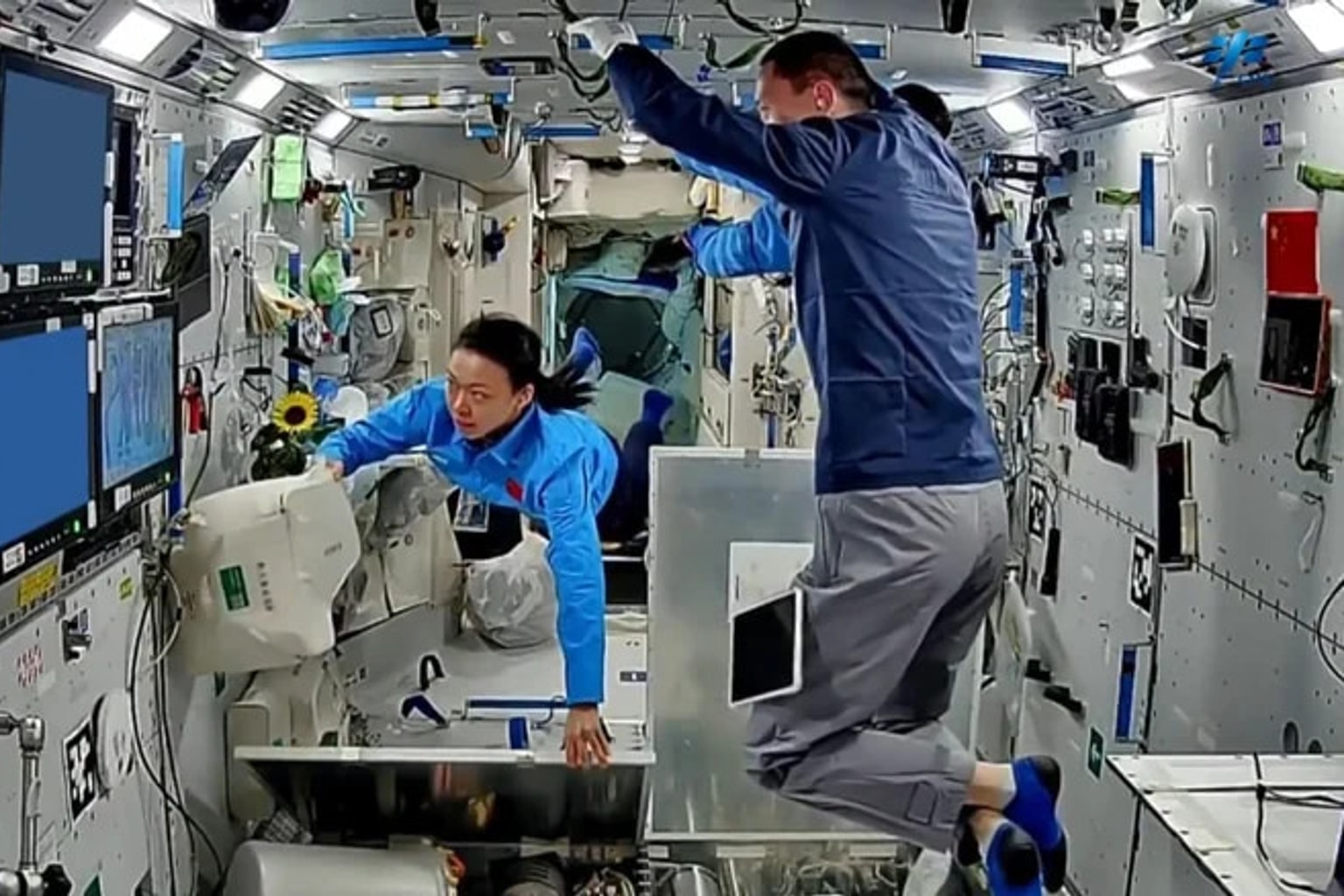
The recent launch of China’s Shenzhou-23 rocket is drawing intense international scrutiny, signaling a pivotal moment in the global space race. While regular trips to low Earth orbit have become somewhat routine in recent years, this particular mission is generating significant interest far beyond the immediate atmosphere.
According to recent reports, the flight serves as a critical stepping stone for China’s highly anticipated 2030 project—a stated national goal to achieve a crewed lunar landing by the end of the decade.
This development is useful for anyone tracking the new space race, as it highlights how low Earth orbit missions are quietly laying the groundwork for the next era of deep-space and lunar exploration.
Why it matters
The surge in attention follows the successful liftoff of the Shenzhou-23 mission, a launch that space agencies around the world are monitoring with intense focus. The mission is not merely a standard crew rotation or supply run.
Clues from the mission’s operational framework suggest that the scientific payload will focus heavily on biology and the mechanics of long-duration spaceflight.
Understanding how biological systems respond to extended periods in microgravity is a mandatory prerequisite for any nation hoping to send humans to the Moon and eventually to Mars. By prioritizing these specific scientific parameters now, China is actively stress-testing the life-support technologies and human endurance protocols required for its ambitious 2030 lunar project.
Global aerospace observers and rival space agencies are parsing every available detail of the Shenzhou-23 flight, knowing that the data gathered in low Earth orbit today will directly inform the deep-space spacecraft designs of tomorrow.
The catch
Audiences following this story are looking past the spectacle of the rocket launch itself to grasp the geopolitical and technological stakes of the modern lunar race. The central question is whether China is on track to meet its 2030 moon landing deadline, and how missions like Shenzhou-23 fit into that broader timeline.
There is a growing realization that low Earth orbit outposts are now serving as vital laboratories for deep space. The focus on biology and long-duration spaceflight indicates that China is working to solve the complex human-factors equation of lunar exploration.
The question is how to understand how these incremental steps—testing endurance, radiation shielding, and biological degradation in orbit—translate into a viable lunar landing architecture. Also, the international interest highlights a broader anxiety and competitive spirit among global space agencies, all of whom are racing to establish a permanent human presence on the lunar surface.
What to verify
Because the details of national space programs are often closely guarded, several elements of the Shenzhou-23 mission and the 2030 project require ongoing verification. Space analysts and journalists will need to monitor the following:
- Specific biological payloads: What exact biological experiments are being conducted on this mission, and how do they directly relate to lunar surface survival?
- Duration of the mission: How long will the Shenzhou-23 crew remain in orbit, and does this duration break previous national records for long-duration spaceflight?
- Technological crossover: Are there specific life-support systems or hardware components being tested on this flight that are explicitly earmarked for the 2030 lunar lander?
- International agency responses: How are competing space agencies adjusting their own lunar timelines in response to China’s documented progress?
Source trail
China’s Shenzhou-23 rocket launch is much more than a routine orbital mission; it is a calculated, heavily monitored advance toward the country’s goal of a crewed Moon landing by 2030. By focusing on biology and long-duration spaceflight, the mission is actively testing the human and technological endurance required for deep space, keeping rival international space agencies on high alert.
This analysis is based on reporting from BGR, which highlighted the Shenzhou-23 rocket launch and its connection to China’s 2030 lunar ambitions. For broader context on international efforts to reach the lunar surface, further context appears in updates from global space agencies monitoring the new space race.