Human history is rarely as tidy or predictable as curated museum displays might suggest. Occasionally, an archaeological find forces researchers to confront the visceral reality of ancient life, death, and the blurred lines between the two.
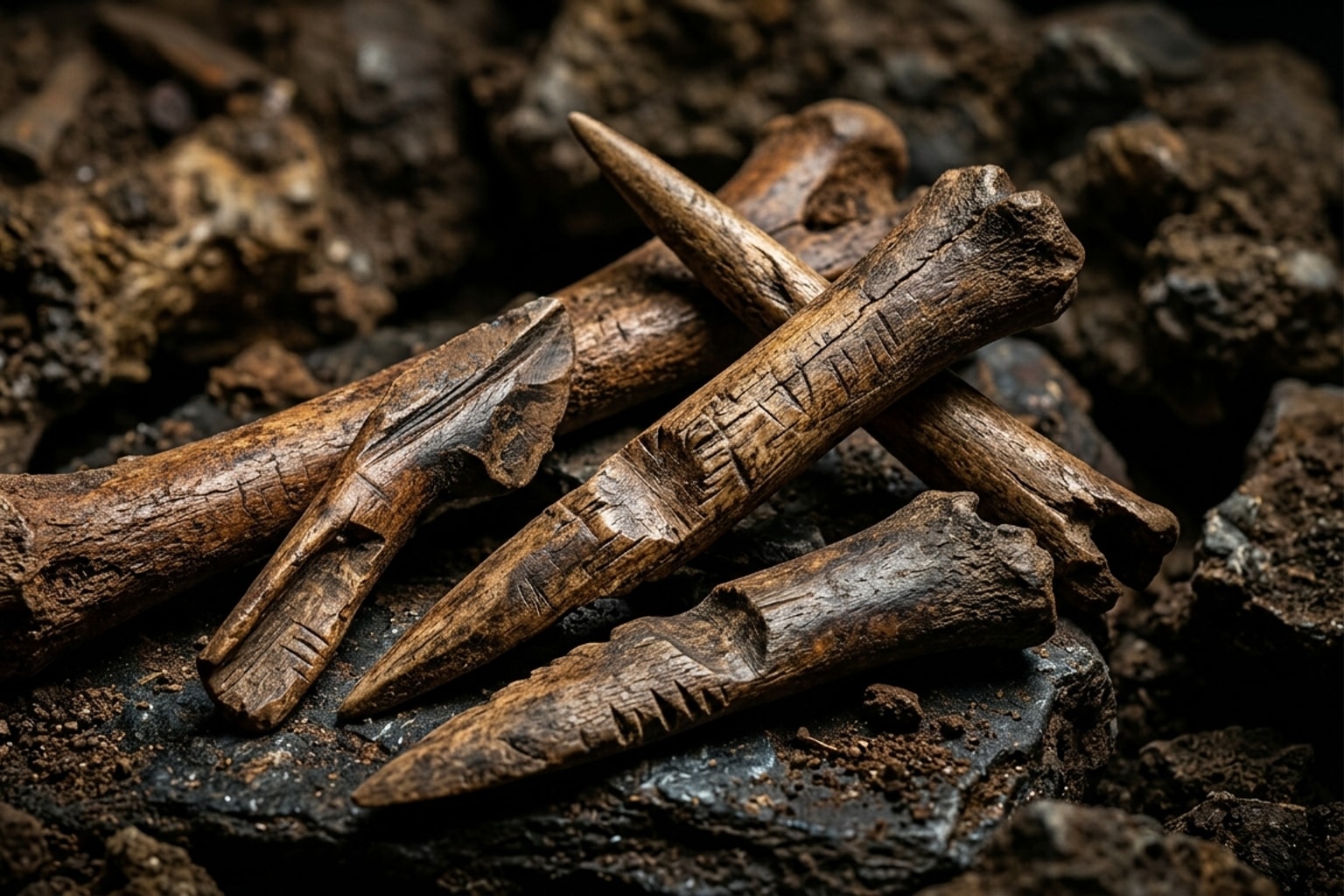
According to a recent scientific report, the remains of someone who died roughly two millennia ago were not simply laid to rest and forgotten. Instead, their bones were actively whittled, carved, and repurposed into functional tools.
Why it matters
The story recently gained traction after being highlighted by ScienceAlert, sparking widespread curiosity across science and history communities. The sheer visceral nature of the headline-human bones transformed into everyday implements-naturally commands immediate attention.
Still, the true focal point of the current scientific discourse is the profound ambiguity surrounding the find.
As the initial report notes, archaeologists concede that the motivation behind this act is “very difficult to interpret.” In an era where modern technology can date fragments to the decade and sequence ancient DNA from mere fragments, the psychological and cultural intentions of our ancestors often remain entirely out of reach.
This tension between hard physical evidence and opaque human motivation is driving the current fascination with the discovery.
The catch
Beyond the initial shock value, audiences are attempting to contextualize what it means for a society to harvest tools from human remains. Was this an act of deep reverence, intended to keep a respected ancestor close to the living through daily utility? Or was it a gesture of profound disrespect, designed to subjugate a defeated enemy even in death? The practical demand is for the cultural framework that would make such a practice acceptable, or perhaps, exceptional within its own time.
Also, there is a practical curiosity about the artifacts themselves. Human bone, while relatively strong, is not typically the first choice for heavy-duty implements when animal bone, stone, or early metals might be available.
This suggests that the choice of material was likely deliberate and highly symbolic rather than purely a matter of convenience. The difficulty in interpretation stems from the fact that without written records or clear comparative artifacts from the exact same context, archaeologists must rely entirely on physical wear patterns and the burial environment to piece together the narrative.
What to verify
Because the available public signal provides a limited window into the discovery, several critical data points must be verified as peer-reviewed literature becomes widely available. First, the exact geographical location and cultural association of the site remain to be clarified.
Identifying the specific civilization or nomadic group involved will provide vital clues to their broader funerary practices.
Second, researchers will need to confirm exactly which bones were utilized and what types of tools they were shaped into. Were these implements used for weaving, hunting, or perhaps specialized ceremonial rituals?
Finally, isotopic and genetic analysis of the remains could potentially reveal the relationship between the deceased and the people who crafted the tools. Establishing whether the bones belonged to a local community member or an outsider will be the next crucial step in demystifying the motivation behind the carving.
Source trail
A 2,000-year-old skeleton discovered with its bones fashioned into tools has presented archaeologists with a profound behavioral mystery. While the physical evidence of the whittling is clear, the cultural and emotional motivations driving the act remain entirely obscured by time.
This discovery challenges our modern boundaries between the sacred and the practical, making it a compelling piece of history to share with anyone fascinated by the darker, more enigmatic chapters of human antiquity.
The primary signal for this archaeological development was published by ScienceAlert. For broader context on how archaeologists analyze ancient bone modifications and funerary practices, further context appears in educational resources provided by the Archaeological Institute of America.
What to watch next
The useful follow-up is not only that Someone Who Died 2,000 Years Ago Had Their Bones Whittled Into Tools is circulating, but whether the next reports add verifiable detail: dates, locations, measurements, documents, expert review, or a primary record that the public can inspect. The source trail includes more ScienceAlert coverage while watching for primary-source updates. Until those details are public, the careful version is to treat the story as interesting evidence in motion rather than a finished conclusion.
That is also why the story is worth treating carefully. It gives the update a concrete object or event to follow, but it should travel with the limits still attached: what is known now, what remains provisional, and what would make the claim stronger when the next update arrives.