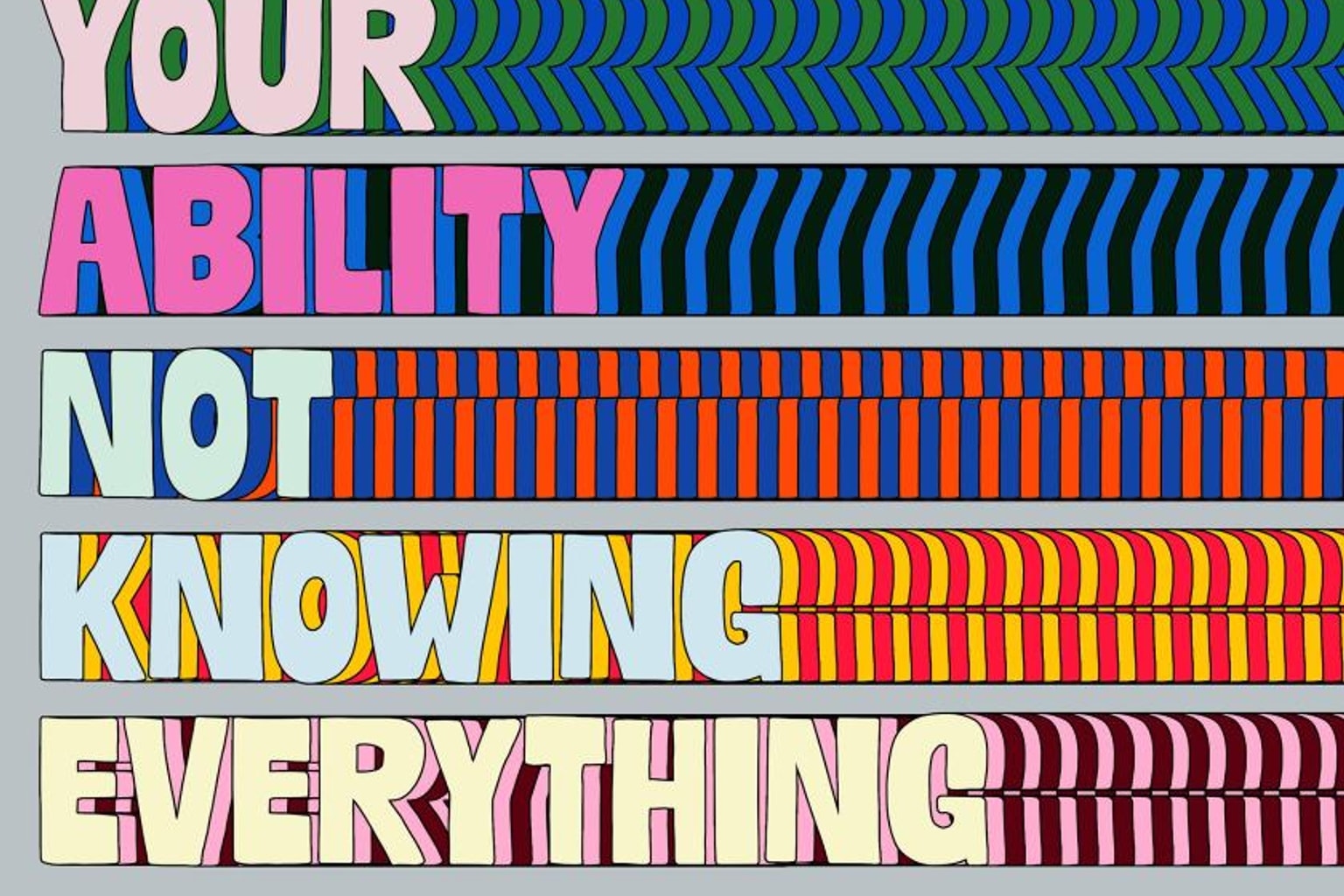
Tyler Spangler merges punk rock roots and a psychology degree into bright, chaotic design. The Southern California artist dropped out of art school but still landed major campaigns for Gucci and the United Nations.
Why it matters
Spangler recently shared his unusual career path with Creative Boom. His story highlights a growing trend in the commercial art world.
Global brands increasingly favor raw, internet-native aesthetics over polished agency work. The tension between punk anti-establishment roots and high-fashion corporate work makes his career trajectory a fascinating cultural case study to share.
People naturally gravitate toward outsiders who hack the traditional system. Spangler did exactly that by skipping the traditional agency ladder.
Instead, he built a massive personal portfolio. He simply made art until the world noticed.
The sheer volume of his work makes him impossible to ignore. In an era of carefully curated feeds, his chaotic approach stands out by flooding the zone with relentless color.
The catch
Spangler creates thousands of digital pieces just for himself. This relentless output acts as a public sketchbook, meaning he does not wait for client briefs to start creating.
His visual style is loud and saturated. It borrows heavily from the DIY flyers of underground punk shows, mixing aggressive layouts with a candy-colored palette.
Before finding success in design, he studied psychology. That academic background informs how he uses color and form to grab attention.
He understands human visual stimulus and cognitive processing. He eventually enrolled in art school but chose to drop out.
Formal education felt too slow for his rapid-fire creative process. The academic environment stifled his natural momentum.
Instead of waiting for permission, he kept publishing his own chaotic collages online. This volume eventually attracted massive corporate clients.
He built a dedicated public first, and the major brands followed. Working with the United Nations and Gucci usually requires compromising personal style.
Spangler managed to keep his chaotic vibe intact. The brands hired him specifically for his unpolished, aggressive aesthetic.
They wanted his specific brand of visual noise. He successfully monetized his own personal chaos without having to clean up his act.
What to verify
The exact nature of his work for the United Nations remains a point of curiosity. Corporate and diplomatic campaigns usually require intense approval processes.
It is rare for raw art to survive committees. It is worth checking how much creative control Spangler actually retained during these major projects.
High-fashion brands often dilute outsider art to make it safe for luxury consumers. Observers should also look at his production methods.
Creating thousands of pieces requires a specific digital workflow. He likely uses a mix of analog scanning and rapid digital manipulation.
Finally, the long-term sustainability of this rapid-fire creation model is an open question. Burnout is common among artists who produce at internet speed.
Maintaining that level of output takes a toll over time.
Source trail
Spangler bypassed formal art education by producing a massive volume of personal work. His candy-colored punk aesthetic proved that relentless, self-directed creation can attract the biggest clients in the world.
Creative Boom recently profiled Spangler and his unique journey from underground shows to high-profile design work. Review the full interview on their platform.
For more context on how luxury brands co-opt underground aesthetics, art and design journals frequently cover the intersection of street culture and high fashion.
What to watch next
The useful follow-up is whether the next reports add verifiable detail: dates, locations, measurements, documents, expert review, or a primary record. The source trail starts with the original Creative Boom report and more Creative Boom coverage while watching for primary-source updates.
Until those details are public, the careful version is to treat the story as interesting evidence in motion rather than a finished conclusion.
That is also why the story is worth treating carefully. It gives the update a concrete object or event to follow, with the limits still attached.