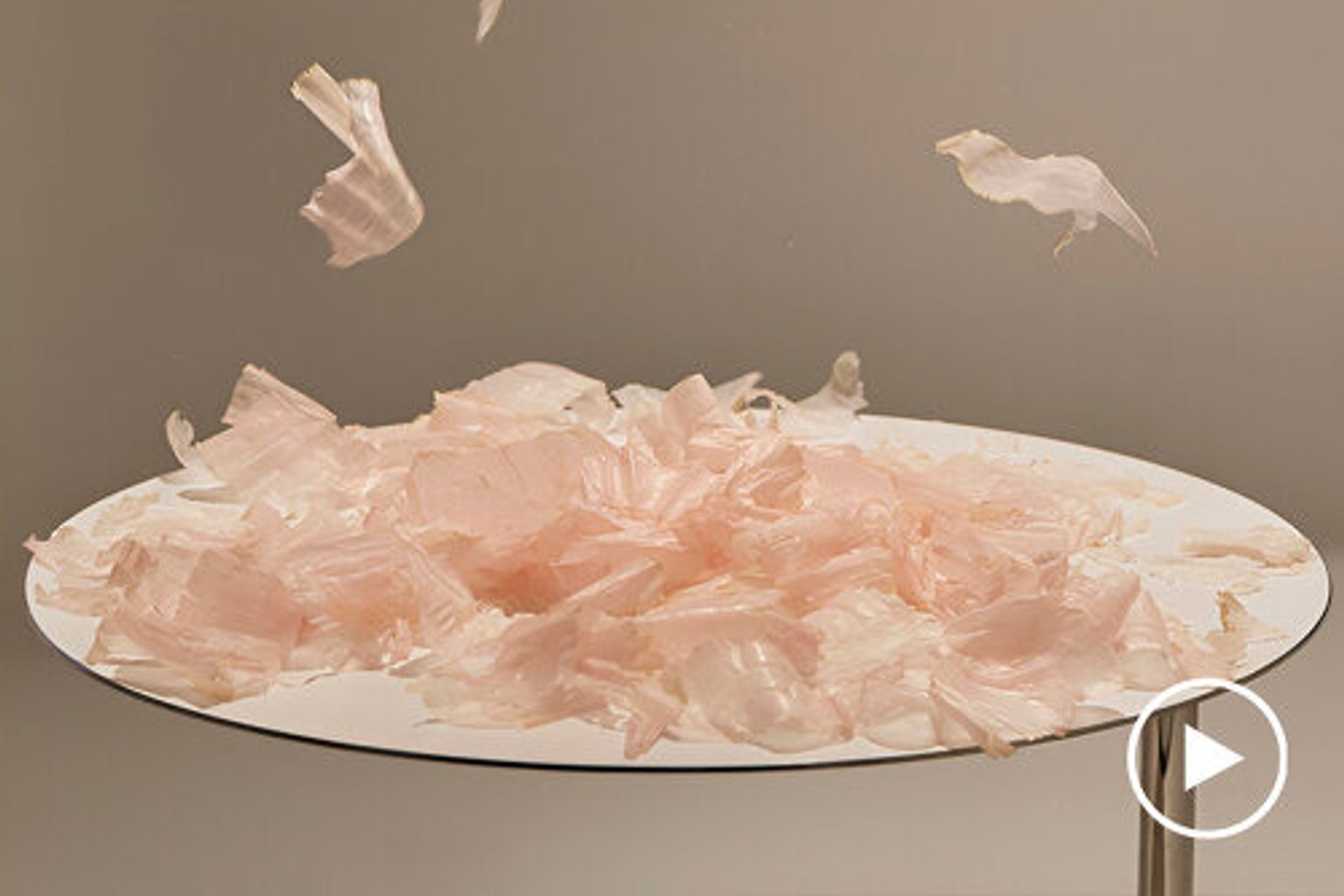
A new kinetic art installation uses ultra-thin shaved bonito flakes as its primary medium. The project, titled “Katsuo Gravity UO,” releases the dried Japanese fish flakes into the open air before catching them on a circular platform below.
What happened
The installation functions as a continuous, mechanical display system. Overhead components release the katsuobushi, allowing the fragile flakes to drift slowly downward.
Gravity and ambient air currents dictate the exact path of the falling material. Once the flakes reach the bottom, a circular platform collects them in a loose pile.
The system then cycles the organic material back to the top. This mechanical loop creates a continuous, falling visual effect.
The project draws direct inspiration from the traditional preparation of Japanese dashi. Dashi is a fundamental soup stock made by steeping these exact dried fish shavings in hot water.
By taking the flakes out of the kitchen, the installation isolates their unique physical properties. Katsuobushi is shaved so thin that it appears almost translucent to the naked eye.
When exposed to even slight air movement, the flakes naturally flutter and dance. The continuous mechanical loop turns this everyday culinary reaction into a structured, ongoing visual performance.
Why it matters
Kinetic art typically relies on metal, plastic, or engineered fabrics. Using an organic, edible product shifts the focus to cultural and sensory elements.
Bonito flakes carry a distinct, savory aroma. A room filled with falling katsuobushi engages the sense of smell alongside the visual display.
The installation highlights the extreme physical lightness of the material. A continuous drop showcases how the ultra-thin shavings interact with air resistance and localized gravity.
This approach aligns with a broader trend in contemporary design and sculpture. Artists are increasingly using unconventional, everyday materials to build complex environments.
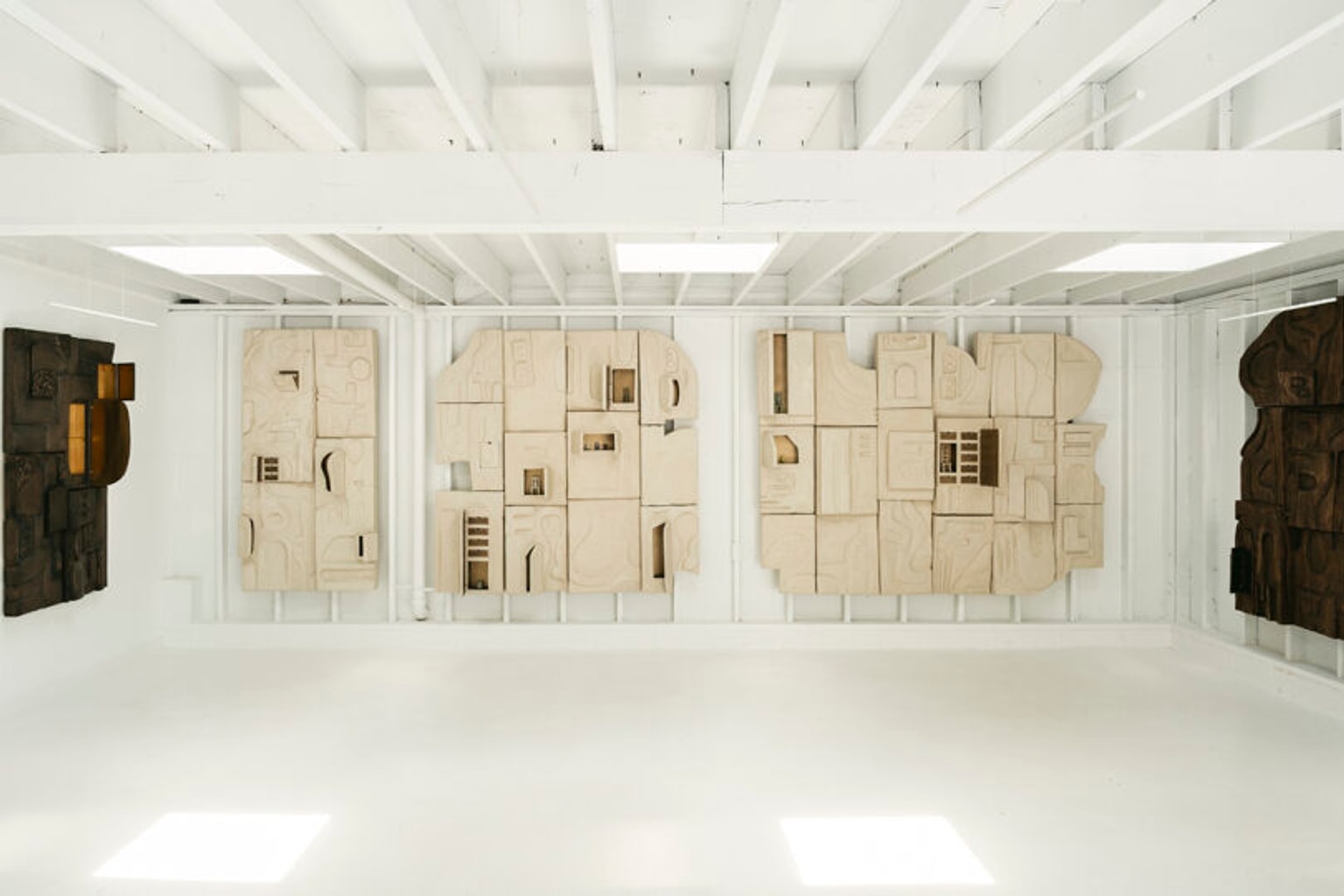
For example, recent exhibitions have featured creators like Eva Jospin, who crafts entire intricate worlds using only carefully cut cardboard. “Katsuo Gravity UO” applies a similar philosophy to traditional Japanese culinary ingredients.
The catch
Katsuobushi is a highly fragile, organic material. It is not engineered to withstand constant mechanical handling or long-term display.
As the flakes cycle through the continuous display system, they will inevitably break down. Friction from the lifting machinery and the impact of landing will gradually turn the ultra-thin shavings into fine dust.
The open-air environment also introduces the problem of ambient humidity. Dried bonito absorbs moisture from the air easily.
When the flakes absorb water, they become heavy and lose their ability to flutter. Operators must regularly replace the katsuobushi to maintain the intended kinetic effect.
What to verify
The exact mechanical systems used to lift the fragile flakes without crushing them remain unclear. The design of the internal conveyor or vacuum system requires closer technical inspection.
The identity of the specific artist or engineering studio behind the project is not fully detailed in the initial exhibition materials.
Observers should also check the physical scale of the circular platform. The total volume of flakes in circulation dictates the overall visual impact of the falling curtain.
Finally, the actual lifespan of a single batch of katsuobushi inside the machine needs independent testing.
Source trail
The project details and visual documentation were originally published by Designboom. The architecture and design publication frequently highlights projects that repurpose daily materials into mechanical art.
Coverage of the “Katsuo Gravity UO” installation sits alongside other explorations of unconventional art mediums. This includes coverage of creators utilizing industrial waste, or Eva Jospin’s cardboard landscapes, demonstrating a wider movement toward accessible material art.