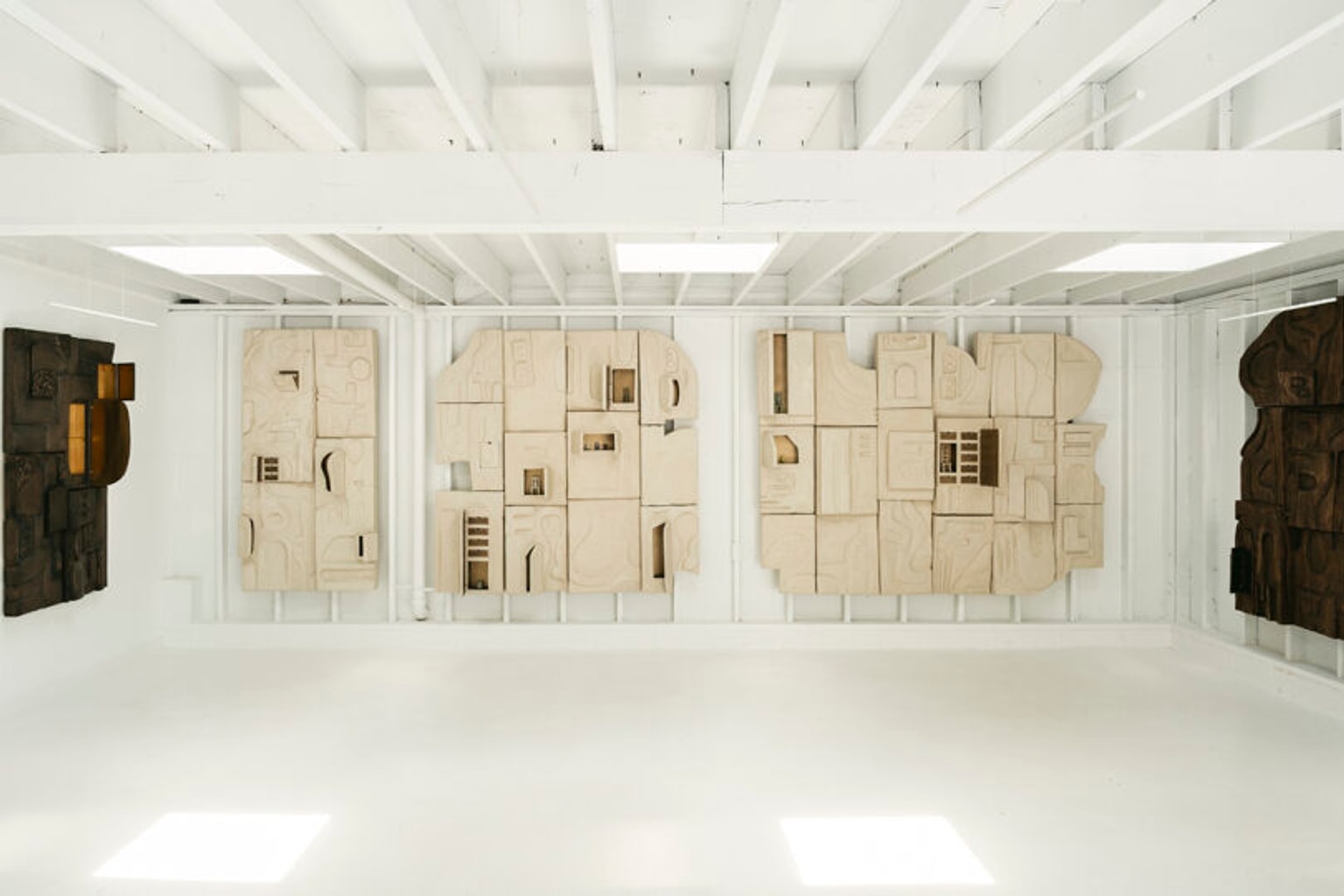
Belgian artist Katrien Van Der Schueren has debuted a new wall-sculpture series called The Ark of Us. The works reimagine traditional cabinets of curiosity as personal, puzzle-like reliefs containing hidden chambers for small artifacts.
What happened
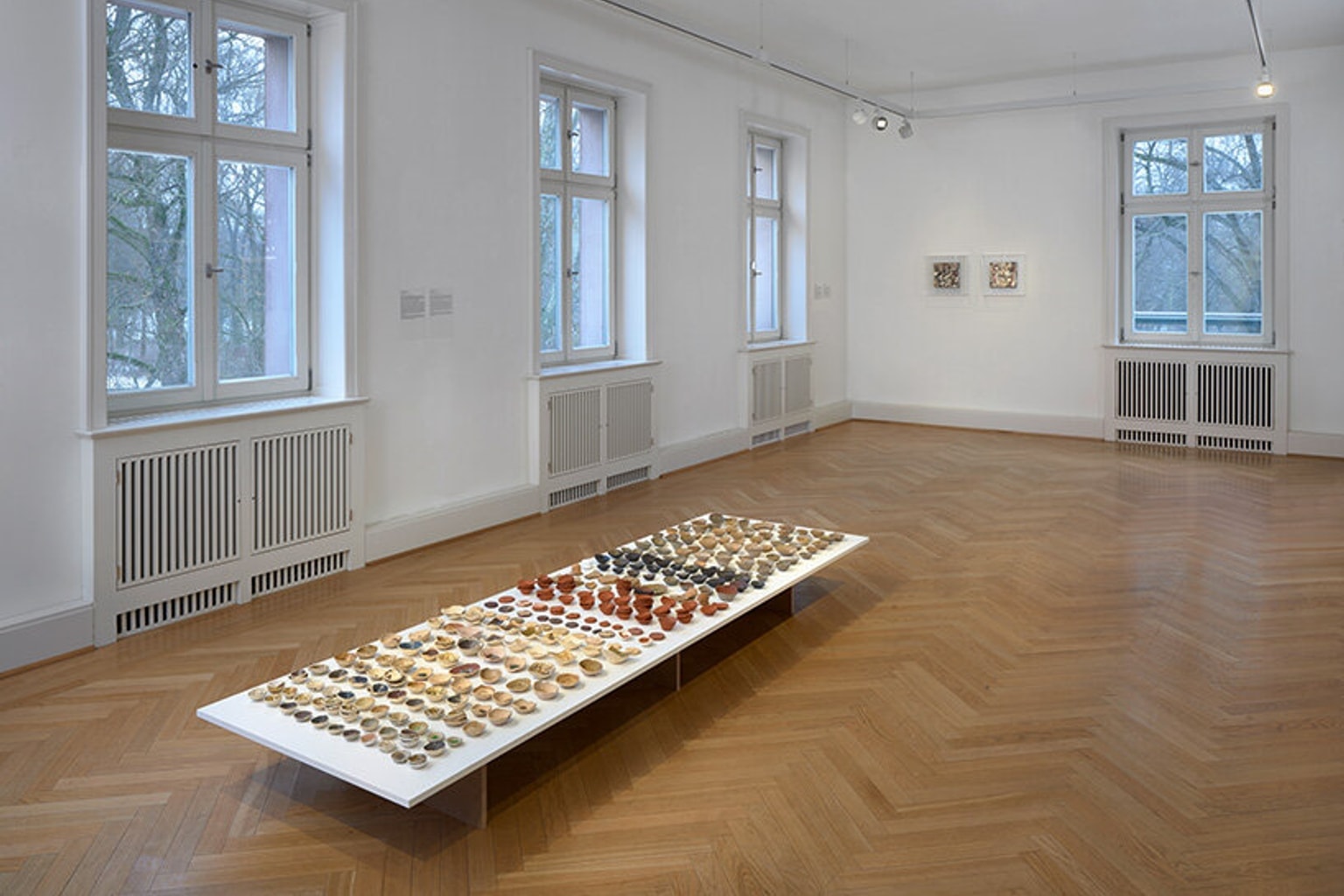
The sculptures are currently on display at Onna House in East Hampton. They are part of a group exhibition titled In Her Hands: From Marble to Wood.
The show runs through July 12. Prior to this exhibition, the works appeared at PAD Paris in early April.
They were presented there by Galerie JAG.
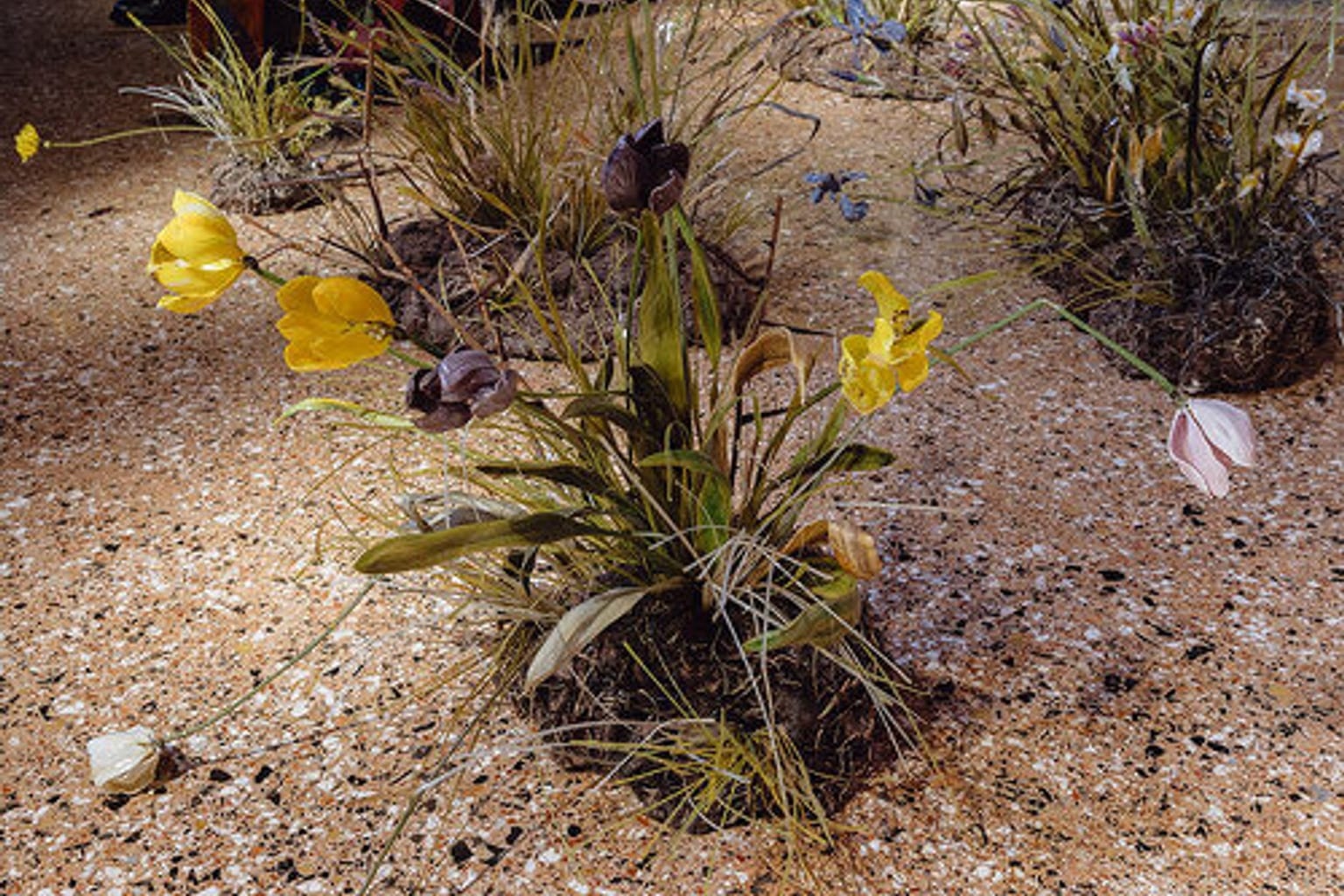
Van Der Schueren builds these maximalist reliefs using a diverse mix of raw materials. She combines natural wood, stone, metal, plaster, resin, and pigment.
The artist physically coheres these elements into intricate, hand-carved fragments. The resulting pieces look like unified, fossil-like topographies.
Each wall sculpture functions as a modern wunderkammer, or cabinet of curiosity.
During the Renaissance in Europe, wunderkammers emerged as conspicuous displays of knowledge. Aristocrats, clergy, and scientists used them to showcase natural oddities, antiquities, and religious relics.
These encyclopedic collections were often housed in sumptuously adorned, holistically themed environments. Over time, the practice moved from entire rooms into intricately compartmentalized furnishings.
Van Der Schueren shrinks this concept down further to a discreet wall piece. Her sculptures hide secret puzzle-like compartments behind their textured surfaces.
These chambers are designed to hold meaningful personal items for safekeeping.
Why it matters
The series shifts the cabinet of curiosity away from a flashy, public display of elite status. Instead, it becomes a private, discreet container of personal experience.
A single mural acts as a conceptual portrait of its owner. The artifacts placed inside represent different lived experiences and collected memories.
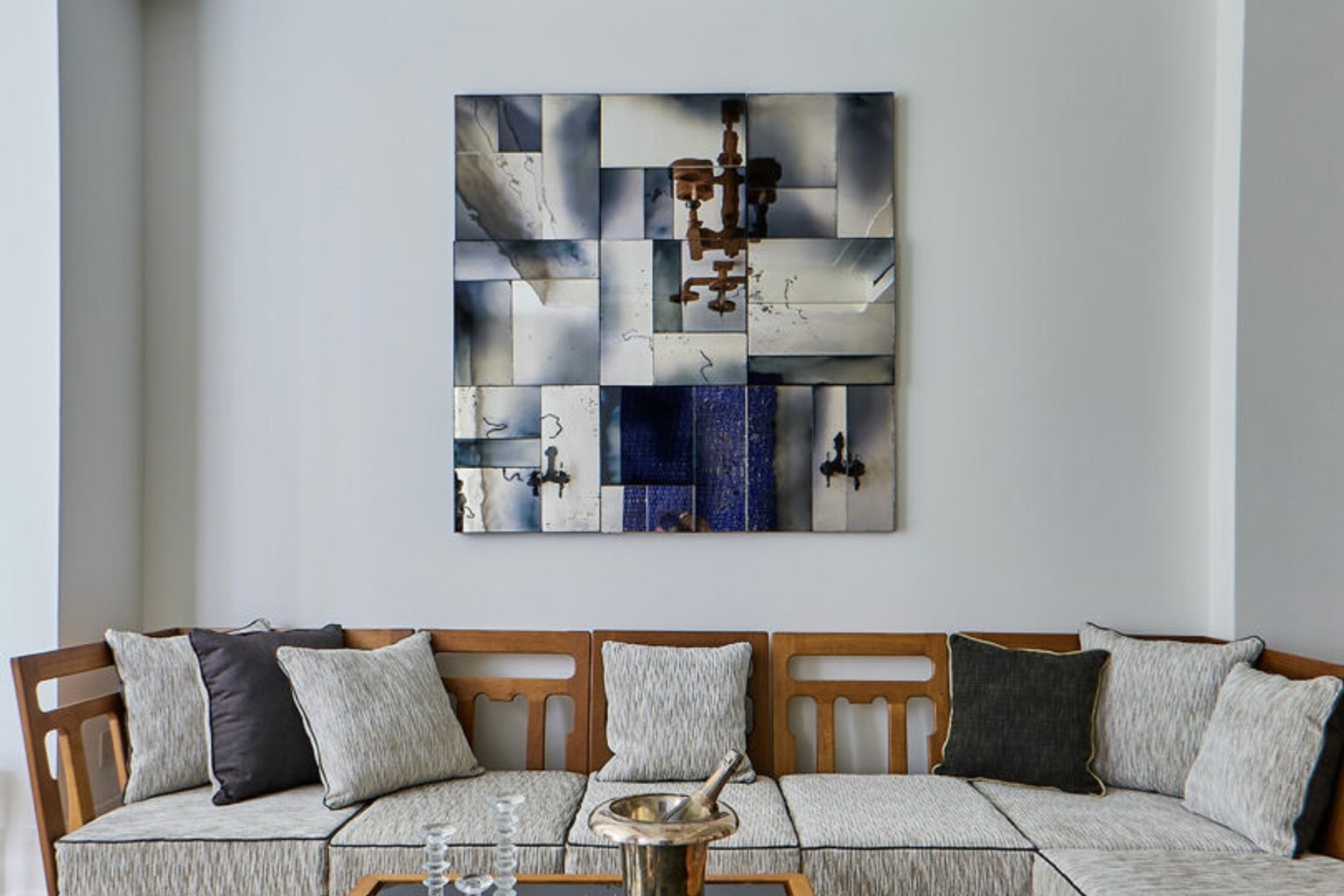
The heavily textured, molten panels provide a sharp visual contrast to stark, modernist interiors.
At Onna House, the works hang in a residential gallery concept. This venue was founded by former fashion entrepreneur Lisa Perry.
Natural light from large skylights and floor-to-ceiling windows highlights the complex details of the materials. The installation demonstrates how maximalist art can integrate into minimalist architecture.
By pushing the limits of traditional craft techniques, Van Der Schueren creates complex topographies. The pieces merge functional, secretive storage with fine art.
The catch
These are highly bespoke, craft-heavy art pieces. They are not practical, mass-market storage solutions for everyday use.
The hidden compartments only hold small, specific items. This severely limits their utility for general household organization.
Furthermore, the maximalist, fossil-like aesthetic demands a specific interior context. The heavy textures and mixed materials might overwhelm smaller or highly cluttered spaces.
Finally, the exhibition at Onna House closes in mid-July. This leaves a very narrow window for public viewing in the United States before the works move on.
What to verify
Check future international exhibition dates for The Ark of Us after the Onna House show concludes.
Confirm the pricing and commission availability of individual sculptures in the series.
Verify the specific dimensions, depth, and weight capacities of the secret chambers hidden inside the reliefs.
Investigate whether the artist plans to expand the series using different material combinations or larger standalone cabinets.
Source trail
Details on the sculptures, the artist’s process, and the current exhibition originated from a Design Milk report. Additional information about the East Hampton venue and its programming can be found through Onna House.