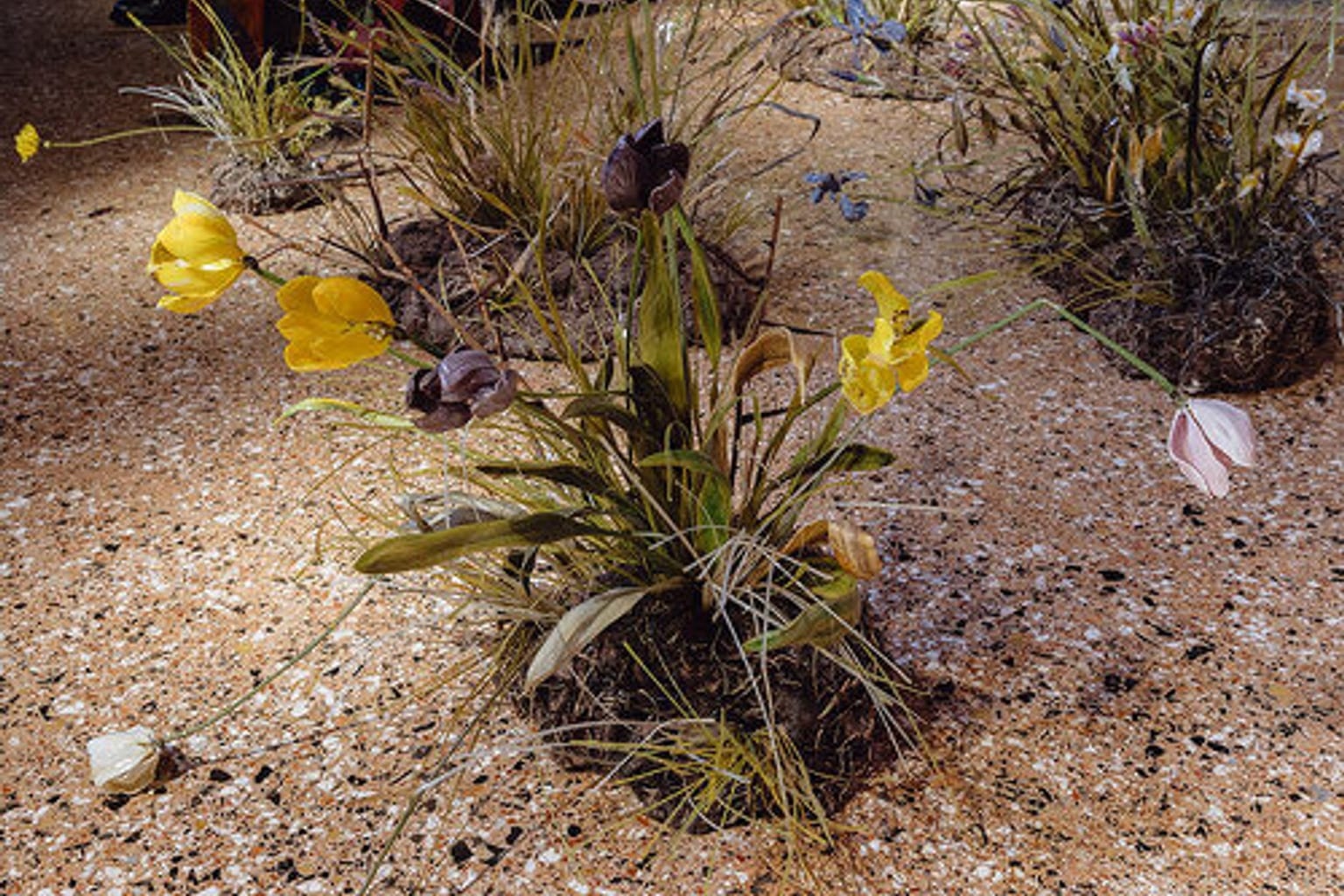
The natural world is defined by its impermanence, a cycle of blooming, wilting, and eventual decay. Yet, Milan-based artist Lilla Tabasso has found a way to pause this relentless progression, capturing the fragile beauty of wilting flora in one of the most demanding mediums available.
By crafting hyperrealistic botanical sculptures out of Murano glass, Tabasso freezes fleeting natural phenomena into enduring reflections on time and change. Her work offers a profound visual meditation on mortality, making this a captivating story to share with anyone fascinated by the intersection of rigorous scientific observation and masterful artistic craft.
Why it matters
Recent coverage by prominent design and architecture publications has cast a renewed spotlight on Tabasso’s unique approach to glassmaking. According to a recent feature by designboom, the artist is drawing significant attention for her ability to sculpt the specific melancholy of botanical decay.
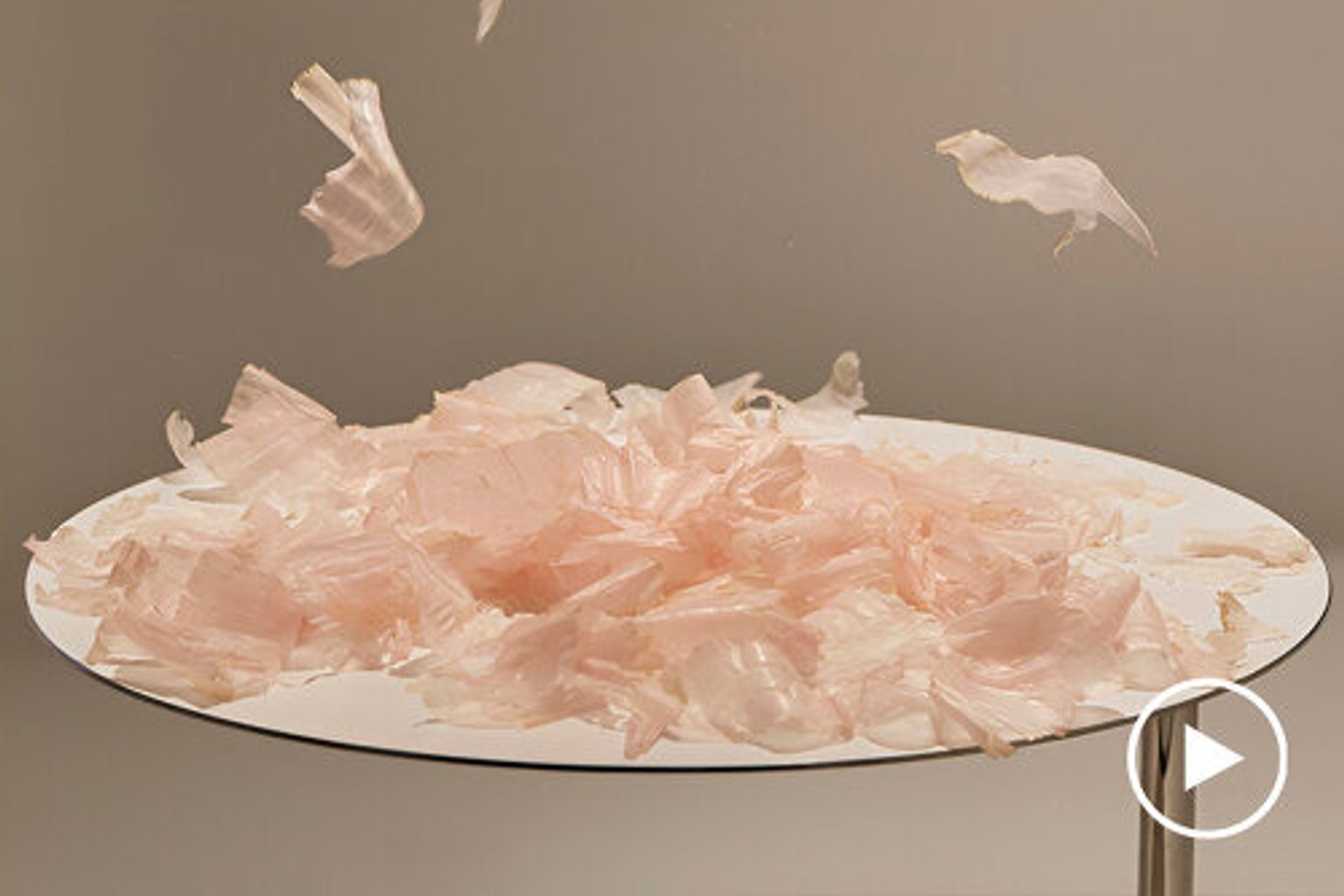
While traditional glass art often focuses on pristine, idealized forms of nature—perfectly symmetrical petals or unblemished leaves—Tabasso deliberately chooses to highlight the imperfections. She models the drooping stems, the browning edges of a dying leaf, and the quiet tragedy of a flower past its prime.
This movement in the art world toward embracing the flawed and the fading resonates deeply with contemporary audiences. The current surge in interest stems from how her work bridges the gap between the historical prestige of Murano glassmaking and a highly modernized, scientifically informed aesthetic of realism.
The catch
At the core of the public’s fascination is the sheer technical paradox of Tabasso’s creations. People and art enthusiasts are trying to comprehend how a material as rigid and historically demanding as glass can be manipulated to look like a fragile, crumbling leaf that might blow away in the wind. The artist combines intense scientific observation with extraordinary technical skill, a dual discipline that requires both the analytical eye of a botanist and the steady hand of a master artisan. Furthermore, audiences are drawn to the emotional weight of the work. By immortalizing the exact moment of decay, Tabasso is engaging with the classic art historical tradition of the memento mori—a reminder of the inevitability of death and the transient nature of earthly pleasures. People want to understand how she translates this heavy, melancholic theme into delicate, hyperrealistic visual poetry.
What to verify
Because the current signals focus primarily on the conceptual and visual impact of her work, there are several practical details that art historians and collectors will want to verify next. First, the specific chemical and thermal processes Tabasso uses to achieve the muted, decaying color palettes in traditional Murano glass remain an area for further exploration.
Second, observers will be looking for information about where these hyperrealistic sculptures will be exhibited next, and whether they will be shown alongside traditional botanical illustrations or contemporary glassworks. Finally, the exact scale of these pieces—whether they are life-sized or magnified to emphasize the cellular decay—requires further confirmation from upcoming gallery catalogs and artist statements.
Source trail
Lilla Tabasso is redefining botanical art by using hyperrealistic Murano glass to capture the melancholic beauty of wilting and decaying plants. By merging rigorous scientific observation with unparalleled glassworking skills, the Milan-based artist transforms the transient phases of nature into permanent, thought-provoking sculptures that challenge our traditional perceptions of beauty and permanence.
The primary insights about Lilla Tabasso’s botanical glass sculptures originate from a recent feature in designboom, which highlights the intersection of her scientific background and artistic execution.
What to watch next
The useful follow-up is not only that lilla tabasso sculpts the melancholy of botanical decay in hyperrealistic murano glass is circulating, but whether the next reports add verifiable detail: dates, locations, measurements, documents, expert review, or a primary record that the public can inspect. The source trail includes more designboom coverage while watching for primary-source updates. Until those details are public, the careful version is to treat the story as interesting evidence in motion rather than a finished conclusion.
That is also why the story is worth treating carefully. It gives the update a concrete object or event to follow, but it should travel with the limits still attached: what is known now, what remains provisional, and what would make the claim stronger when the next update arrives.