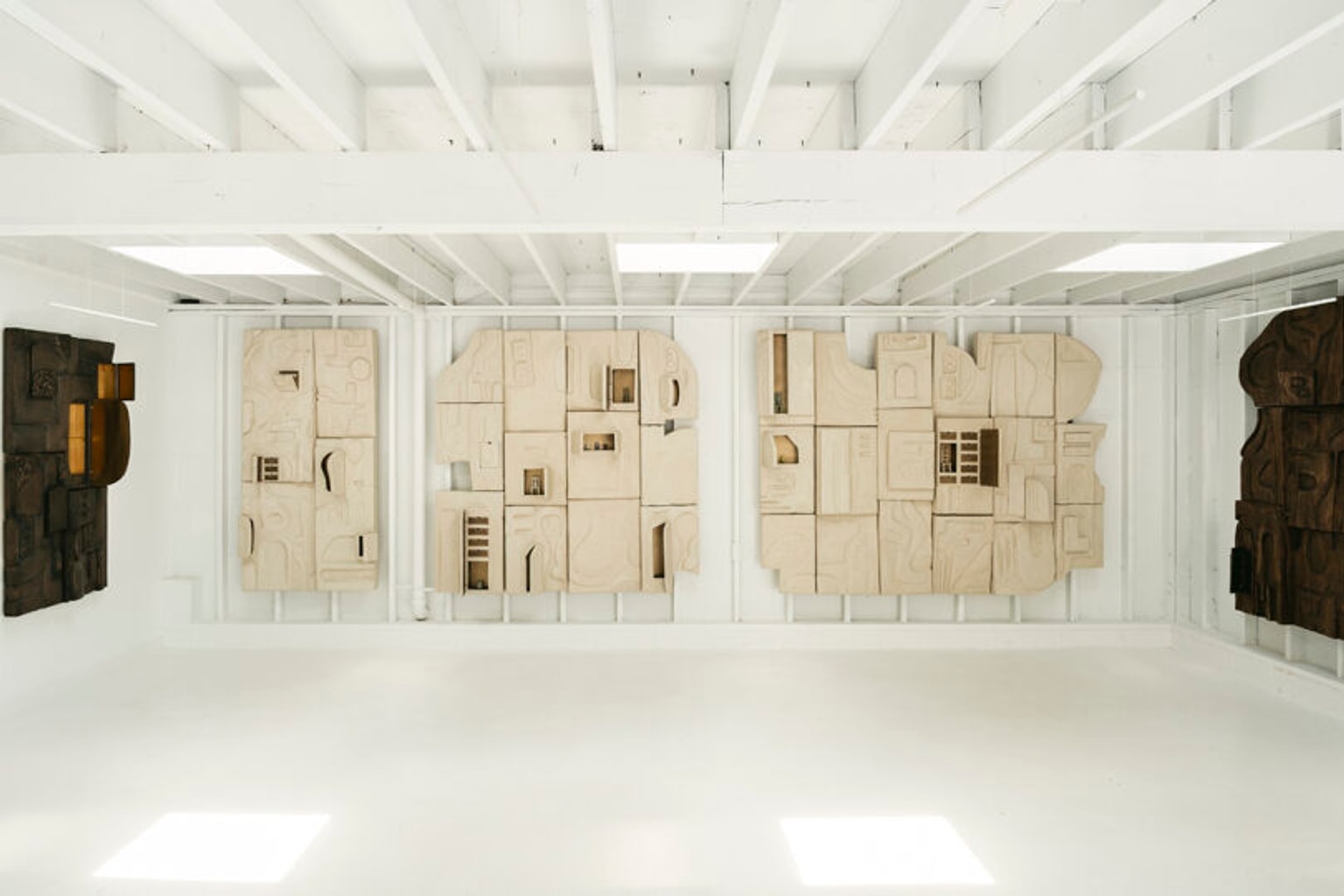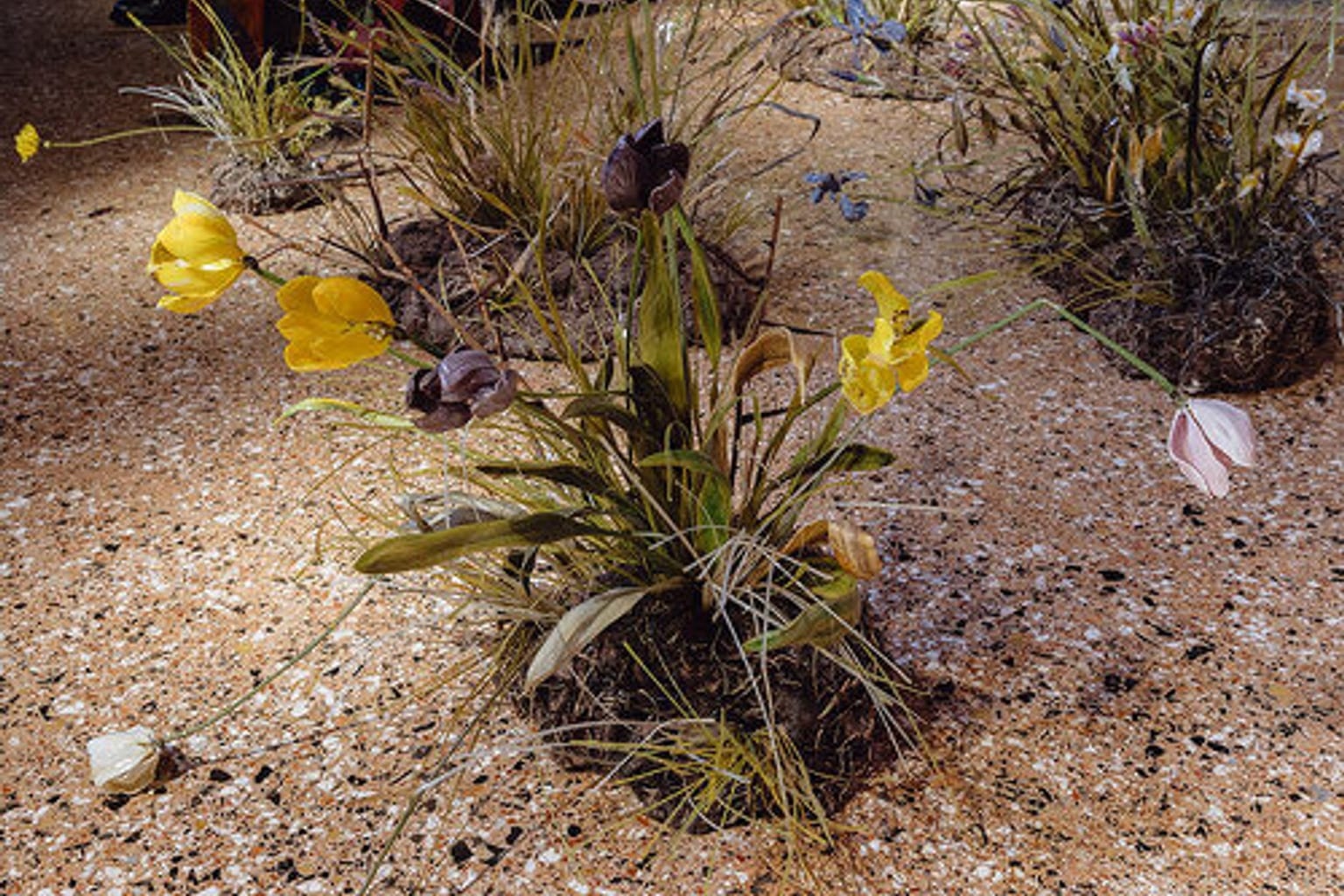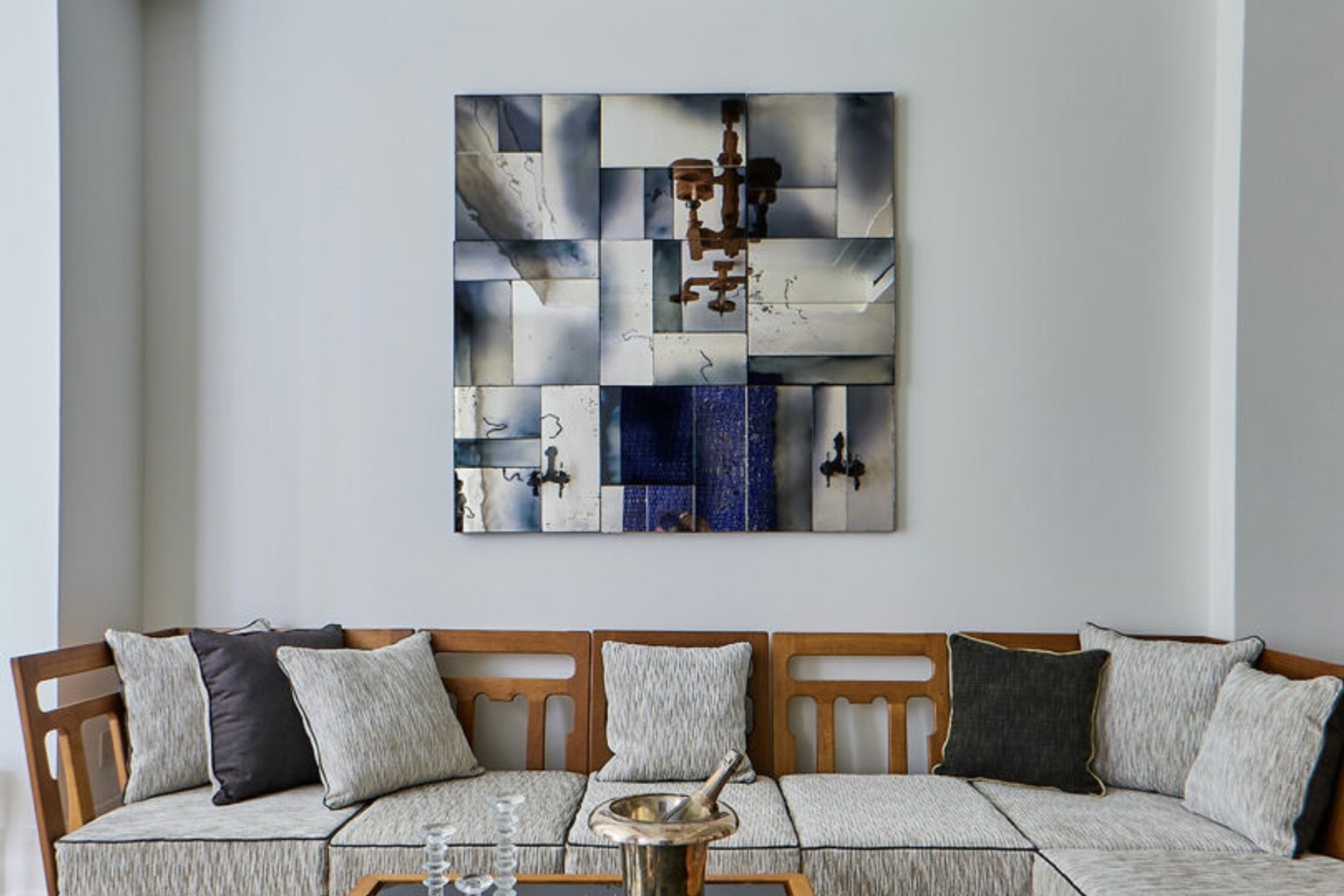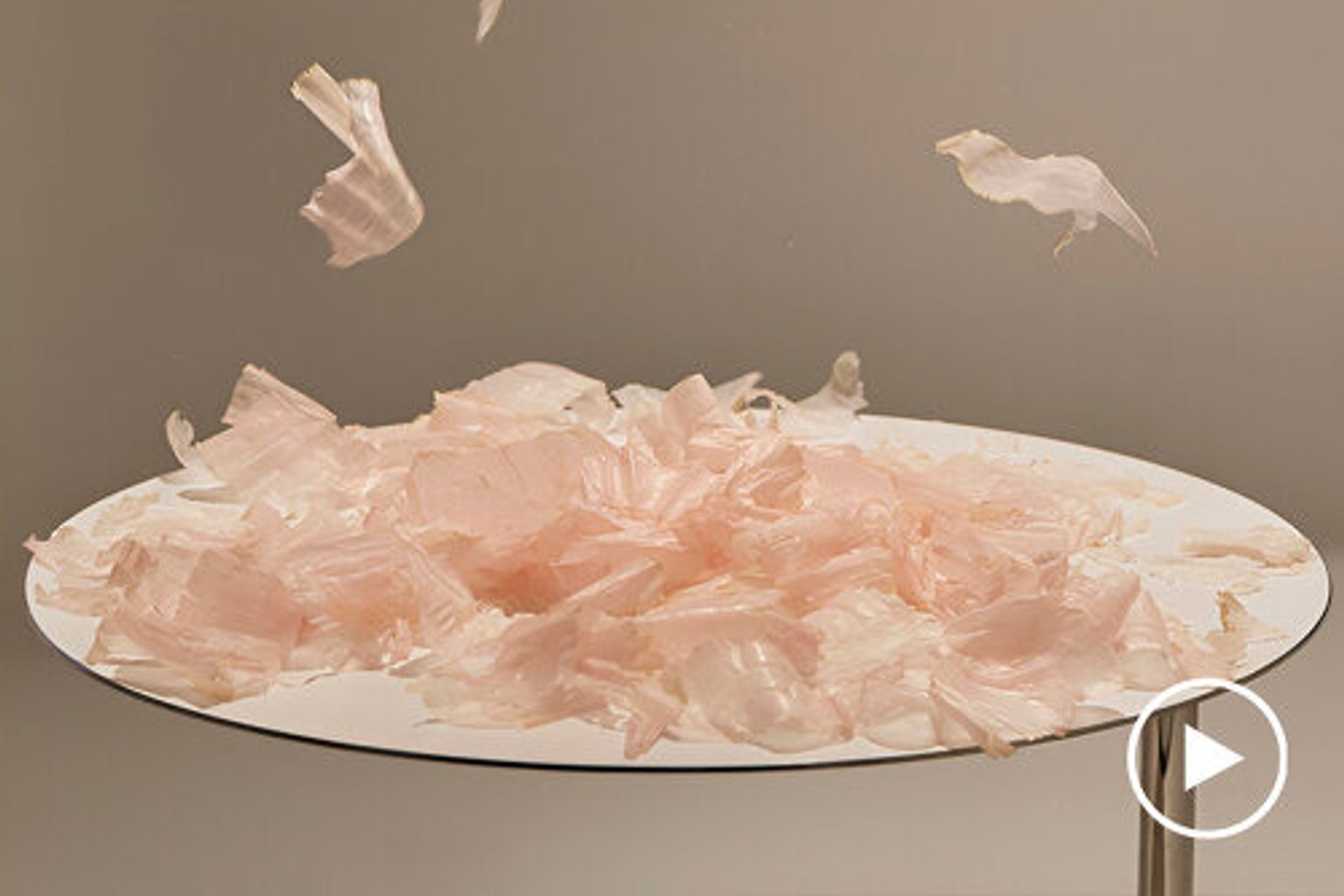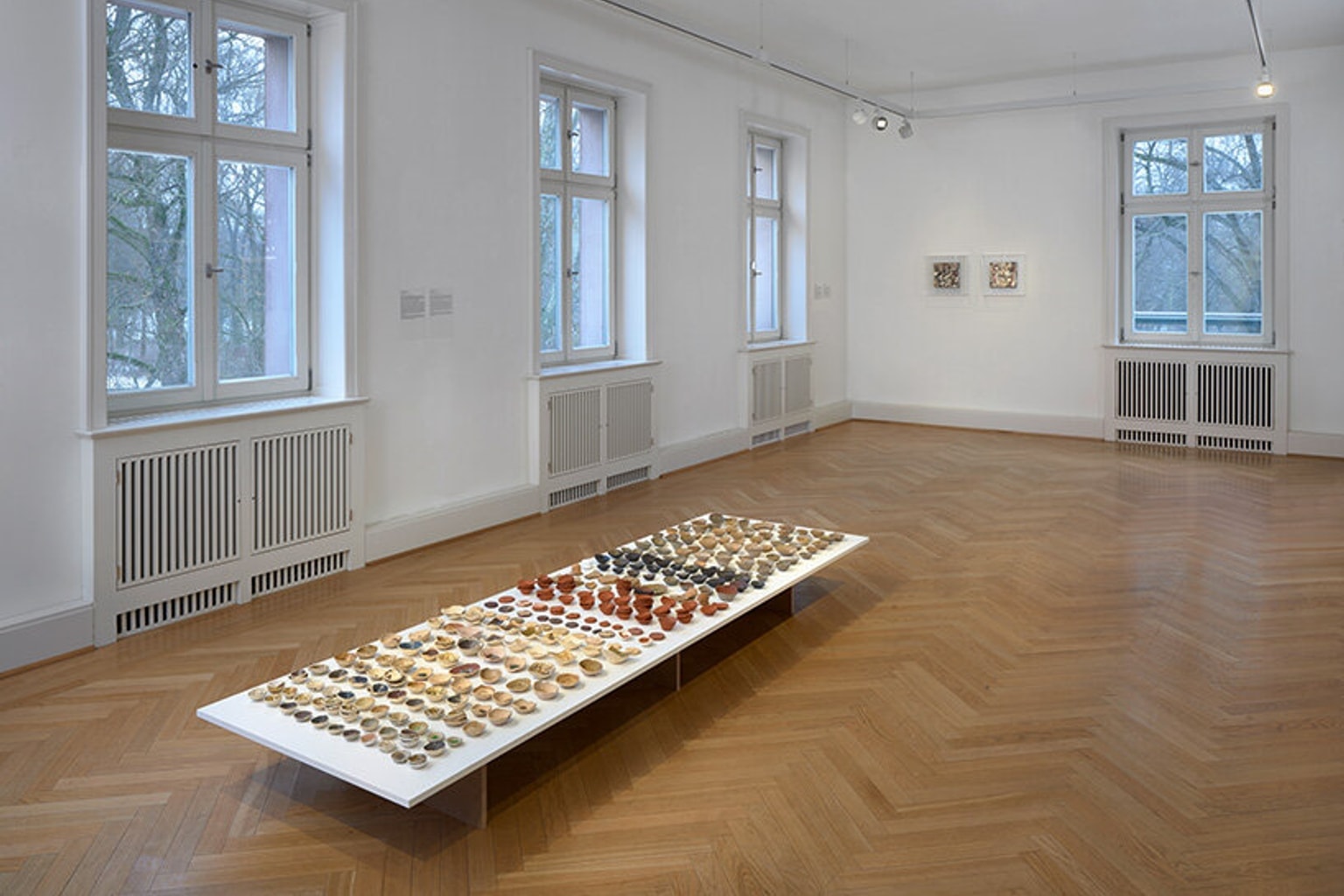
Athens-based artist Kleopatra Tsali is now drawing attention for an unusual approach to sculpture. Her latest projects merge raw clay sourcing with live silkworm networks.
The work frames traditional craft as a deep exercise in ecological and social interdependence.
Why it matters
Design and art publications are increasingly highlighting creators who step outside the traditional studio. A recent feature in Designboom thrust Tsali’s methods into the international spotlight.
The broader contemporary art market is now rewarding ecological themes. Galleries and curators actively seek projects that map local environments.
Tsali fits this growing demand perfectly. Her work moves beyond static, decorative objects.
She builds active, living archives of natural materials.
The art world often struggles to merge concept with physical reality. Tsali manages to bridge this gap by using the earth itself as her medium.
Interest in sustainable art practices has surged over the past few years. Audiences want to see transparency in how materials are gathered.
By documenting her entire supply chain, Tsali taps into a wider cultural shift. People are questioning the origins of the objects they consume.
The catch
Tsali treats art as a collaborative process with the natural world. She does not buy refined clay from a commercial supplier.
She sources it directly from the earth.
This raw material forms a physical archive of the local landscape. Every batch of harvested clay carries a specific geological signature.
She maps the terrain by understanding where different soil types intersect. This grounded approach requires hours of fieldwork before any sculpting begins.
Her work also heavily incorporates sericulture. This is the traditional practice of rearing silkworms for their raw threads.
Silk production has a long history in Greece. Tsali reclaims this heritage and adapts it for modern conceptual design.
These insects spin silk that she directly integrates into her physical installations. The silkworms introduce a living, highly unpredictable element to the art.
The final pieces map out hidden ecologies that usually go completely unnoticed in urban spaces. The artwork becomes a temporary habitat.
Community exchange plays a massive role in this complex process. Tsali relies on local knowledge to locate raw materials.
She also collaborates with others to maintain the delicate insect networks. Rearing silkworms requires specific temperatures, fresh mulberry leaves, and constant care.
This makes the creation process inherently social. The artist views craft as a shared, communal survival skill.
The resulting objects are less about individual artistic genius. They stand as a record of collective, cross-species effort.
Her approach challenges the idea of the isolated creator. It proves that art can function as a working ecological system.
What to verify
The exact locations of Tsali’s upcoming public exhibitions remain a point to check. Art enthusiasts will want to see how these living networks function inside a sterile gallery setting.
The survival rate of the insects in an indoor environment is a key metric. Galleries rarely offer the humidity and airflow that silkworms naturally require.
The long-term viability of her local clay sourcing also needs independent verification. Extracting raw materials always requires a careful ecological balance to avoid depletion.
Observers should also confirm exactly how the silkworms are managed during exhibitions. Ethical sericulture practices are crucial when incorporating live insects into public art.
It is also worth tracking whether other local artists adopt similar community-based sourcing methods. Tsali’s model could influence a wider regional movement in Athens.
Source trail
Kleopatra Tsali uses raw earth and spinning insects to completely redefine modern sculpture. Her projects highlight the fragile, necessary links between human craft and natural systems.
This intersection of biology and traditional art offers a vital perspective on how communities can document their local ecosystems.
The primary details about Tsali’s ecological art projects originate from a detailed interview published by Designboom. Additional context on the history of sericulture in contemporary art can be traced through broader European design archives.
What to watch next
The useful follow-up is whether the next reports add verifiable detail: dates, locations, measurements, documents, expert review, or a primary record. The source trail starts with the original designboom report and more designboom coverage while watching for primary-source updates.
Until those details are public, the careful version is to treat the story as interesting evidence in motion rather than a finished conclusion.
That is also why the story is worth treating carefully. It gives the update a concrete object or event to follow, with the limits still attached.