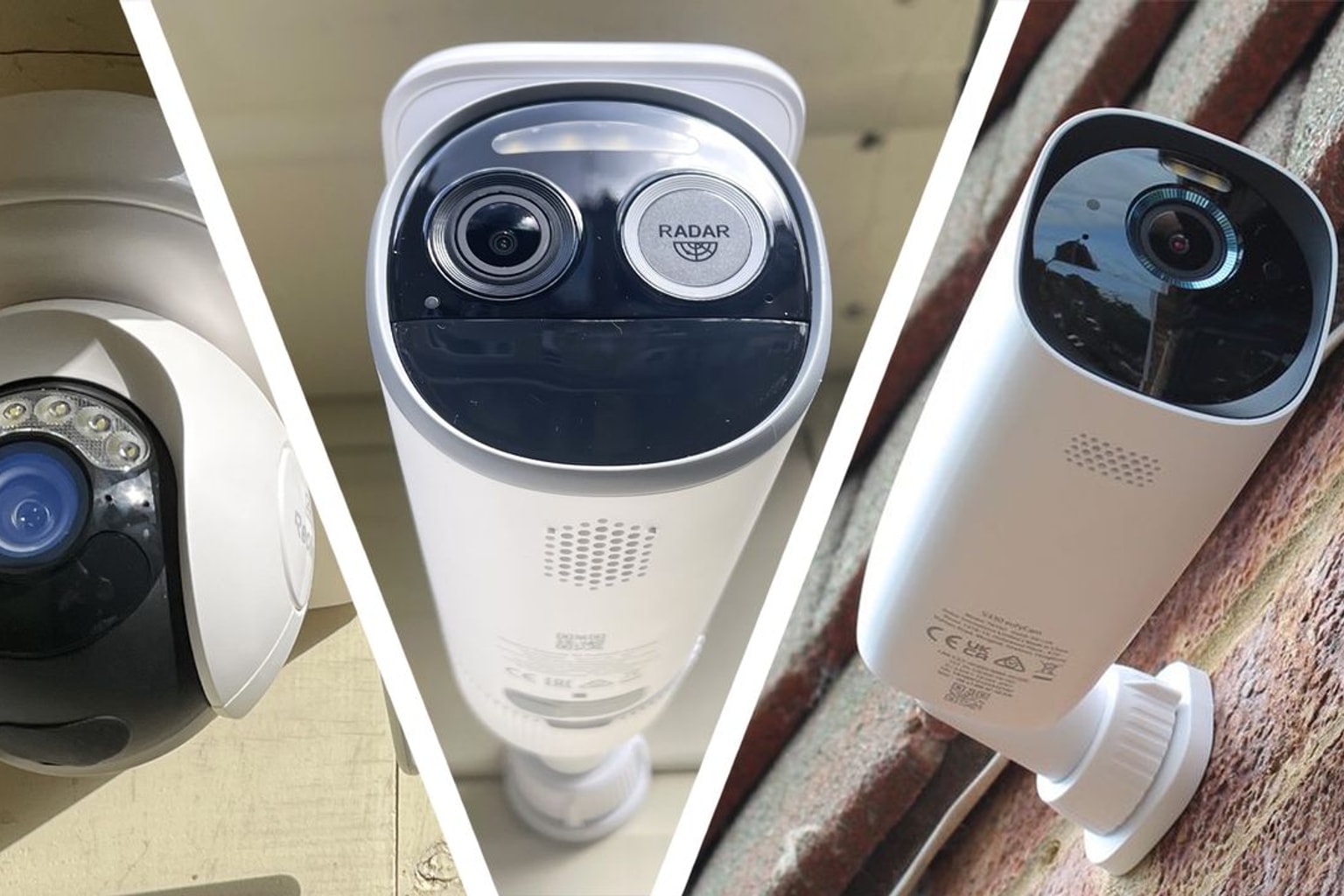
Tech experts are increasingly pointing buyers toward home security cameras that skip monthly fees. A recent evaluation highlights top devices offering local video storage and advanced alerts without locking owners into endless subscription plans.
Why it matters
Subscription fatigue is hitting the smart home market hard. Many security companies sell cheap hardware but require costly monthly plans for basic video playback.
Consumers are finally noticing the financial trap. A camera might cost very little upfront at the store.
Still, the mandatory cloud storage fees add up to hundreds of dollars over a few years.
Tech reviewers are actively pushing back against this trend. They are seeking out and testing alternatives that do not demand a recurring credit card charge.
The focus is rapidly shifting to local storage solutions. People want to buy a product once and actually own its full functionality without arbitrary limits.
The catch
The home security industry currently operates on two very different business models. The dominant model relies entirely on cloud storage and monthly fees.
The alternative model uses local video storage. These devices save clips directly to a microSD card or a private home base station.
TechRadar recently tested the market to find the best available options. Reviewers identified five top cameras that successfully follow the local storage path.
These recommended devices deliver standard security features without hidden recurring costs. Buyers pay a single upfront price for the camera hardware.
After the initial purchase, the camera records and saves footage locally. This straightforward approach keeps ongoing maintenance costs at zero.
It also hands data control directly back to the device owner. Video files stay inside the house instead of traveling to a distant corporate server.
Local storage bypasses several privacy risks associated with massive cloud databases. Hackers frequently target large cloud servers, but a local memory card remains physically isolated.
Some companies still try to hide basic features behind a digital paywall. They might restrict smart motion detection or activity zones to premium subscribers only.
The experts focused specifically on cameras that include these advanced features out of the box. The hardware itself processes the video locally to detect people or vehicles.
This market shift forces manufacturers to compete on actual hardware quality rather than subscription lock-in. It represents a significant push toward consumer-friendly smart home technology.
What to verify
Review the specific brands that made the top five list. Check the initial retail price of these subscription-free models compared to their cloud-based rivals.
Verify if the local storage setup requires purchasing a separate memory card. Some cameras include built-in storage, while others need an immediate add-on.
Confirm exactly how these devices handle remote viewing. Test whether the companion app loads video quickly when the phone is on a cellular network.
Look into the warranty and long-term software update policies. Devices without a subscription still need regular security patches to stay safe from network hackers.
Source trail
The primary evaluation of these subscription-free devices comes from TechRadar.
For broader context on the smart home market, industry watchers track the ongoing debate over cloud versus local storage and consumer data privacy.
Subscription-free security cameras offer a one-time purchase solution for monitoring a property. Local storage keeps video files private and entirely eliminates recurring monthly bills. This transition away from endless payment plans makes the development highly relevant for anyone trying to manage long-term household budgets. Consumers are finally getting options that prioritize true ownership over renting basic digital features.
What to watch next
The useful follow-up is whether the next reports add verifiable detail: dates, locations, measurements, documents, expert review, or a primary record. The source trail includes more TechRadar coverage while watching for primary-source updates.
Until those details are public, the careful version is to treat the story as interesting evidence in motion rather than a finished conclusion.
That is also why the story is worth treating carefully. It gives the update a concrete object or event to follow, with the limits still attached.