Walmart kicked off a massive site-wide summer sale on June 22, 2026. The retail giant launched its discount event exactly one day before Amazon begins its annual Prime Day promotion.
Why it matters
Retailers use aggressive summer sales to clear out older inventory and boost mid-year revenue. Walmart timed this specific event to capture shoppers before they spend their discretionary budgets at Amazon.
Unlike Prime Day, Walmart does not require a paid membership to access these discounts. This open-access approach appeals heavily to consumers looking to avoid recurring subscription fees.
The strategy creates immediate pressure in the retail market. Consumers often share news of open-access discounts to help friends bypass paywalled sales events.
Inflationary pressures have made shoppers highly sensitive to price changes. A major, accessible sale provides a psychological boost to budget-conscious buyers.
Shoppers are looking for relief from high prices on electronics and home goods. A major sale from a massive retailer provides a sudden influx of options.
By undercutting the start date of a major competitor, Walmart dominates the early news cycle. The move forces deal hunters to evaluate Walmart’s inventory first.
The catch
The summer retail calendar is now a highly competitive battleground. Amazon effectively created the mid-summer shopping holiday, but major competitors refuse to concede the entire week.
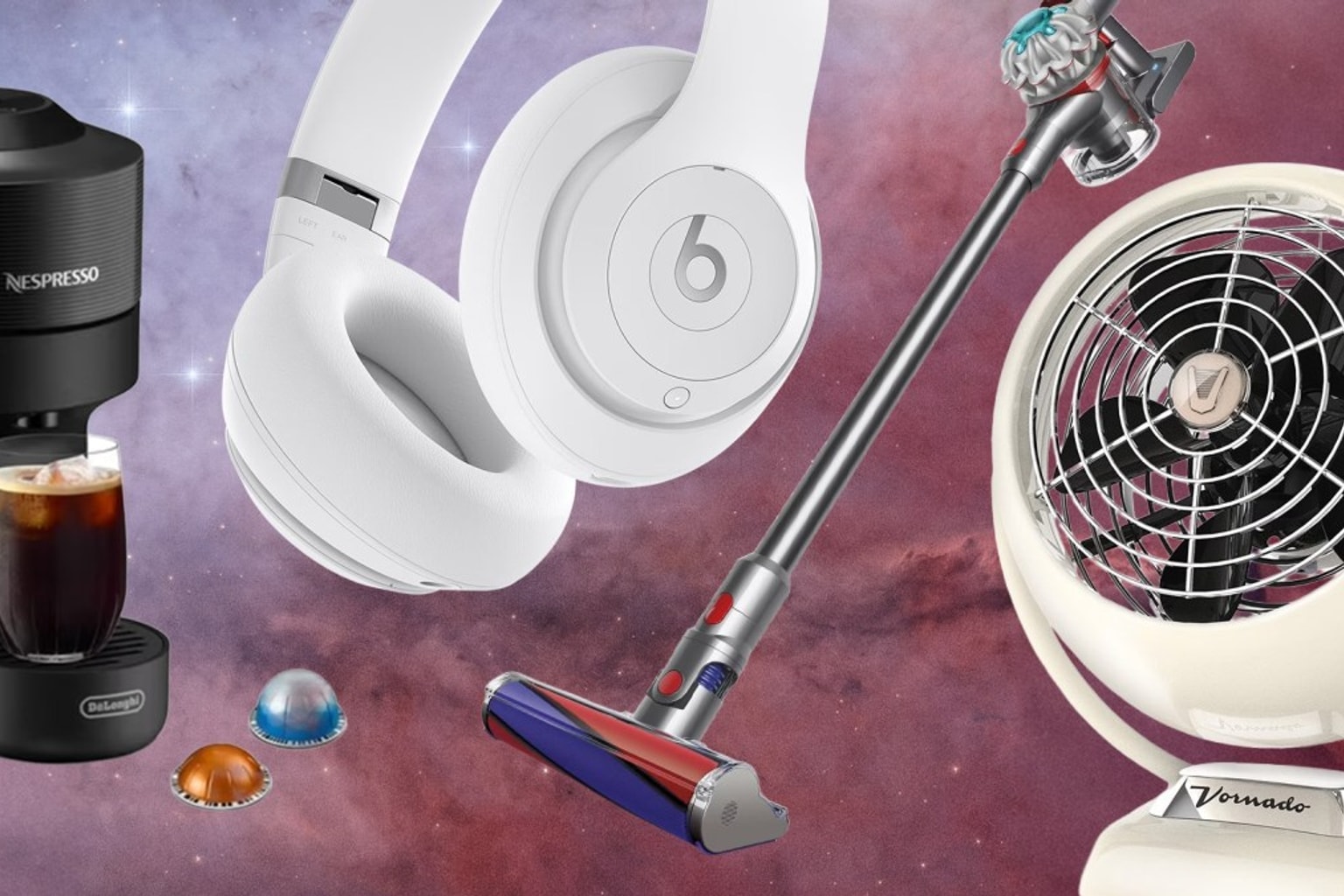
Walmart is highlighting specific high-demand tech and home items to draw traffic. Prominent electronics brands like Beats are featured heavily in the markdown list.
The retailer also secured exclusive models to prevent direct price matching. For example, a Walmart-exclusive Dyson vacuum serves as a primary centerpiece of the sale.
The scope of the discount event extends far beyond simple electronics. The site-wide promotion includes significant price cuts on outdoor furniture, kitchen appliances, and seasonal apparel.
Popular Science highlights these specific items as strong values for consumers. The publication notes the distinct advantage of the open-access model.
By starting early, Walmart forces Amazon to play defense on pricing. The strategy relies heavily on capturing impulse purchases before the primary Prime Day event even begins.
Shoppers log on early, see an attractive price, and check out immediately. This prevents them from comparing the cost to Amazon’s upcoming, unrevealed offers.
Retailers know that consumer spending fatigue sets in quickly during major sales events. The first company to offer a compelling discount often wins the sale.
Walmart is leveraging its massive supply chain to support these discounts. The company wants to prove it can compete with Amazon on both price and delivery speed.
What to verify
Watch to see if Amazon adjusts its pricing on identical items to match Walmart. Algorithmic pricing models often react quickly to competitor discounts.
Monitor inventory levels for the exclusive Dyson and Beats products. High-demand items often sell out quickly during these major promotional events.
Track shipping times over the next week. Massive influxes of orders frequently strain logistics networks and cause unexpected delivery delays.
Compare the final checkout prices between the two retailers. Shoppers must factor in shipping costs and taxes to determine the true value of the discount.
Look for any unannounced flash sales that Walmart might drop. The retailer could release new deals directly during Amazon’s actual event to maintain momentum.
Check consumer protection sites for reports of artificial markups. Retailers sometimes raise base prices right before a sale to make discounts appear larger.
Review the return policies for clearance items purchased during the event. Retailers occasionally alter their standard return windows for heavily discounted merchandise.
Source trail
Walmart launched a major summer discount event one day ahead of Prime Day. The promotion requires no paid membership.
The sale features significant price cuts on major consumer brands. Beats headphones and an exclusive Dyson vacuum are among the top highlighted items.
The timing is a deliberate strategy to siphon sales away from Amazon. Walmart wants to capture consumer dollars before the competitor’s event begins.
The initial report on the discount event and its strategic timing came from Popular Science.
The publication detailed the specific items available and compared the event directly to Prime Day. Analysts continue to monitor the ongoing retail rivalry between the two corporate giants.
What to watch next
The useful follow-up is whether the next reports add verifiable detail: dates, locations, measurements, documents, expert review, or a primary record. The source trail starts with the original Popular Science report and more Popular Science coverage while watching for primary-source updates.
Until those details are public, the careful version is to treat the story as interesting evidence in motion rather than a finished conclusion.
That is also why the story is worth treating carefully. It gives the update a concrete object or event to follow, with the limits still attached.