Historically, the architectural philosophy behind a scenic viewpoint was simple: get out of the way. The primary goal was to provide a safe, unobtrusive platform that allowed the natural landscape to take center stage.
Still, a recent shift in contemporary design is challenging this modest approach, transforming observation decks into monumental landmarks in their own right. For travelers and design enthusiasts alike, this intersection of engineering and natural beauty offers a compelling look at how we frame our relationship with the wild, making these emerging destinations essential additions to any global itinerary.
Why it matters
The conversation around destination architecture has been reignited by a recent design roundup published by Dezeen, which highlights ten global viewpoints where the built environment actively rivals the surrounding landscape. Moving away from simple wooden decks and unassuming metal barriers, today’s architects are leaning into structural theatrics to captivate visitors.
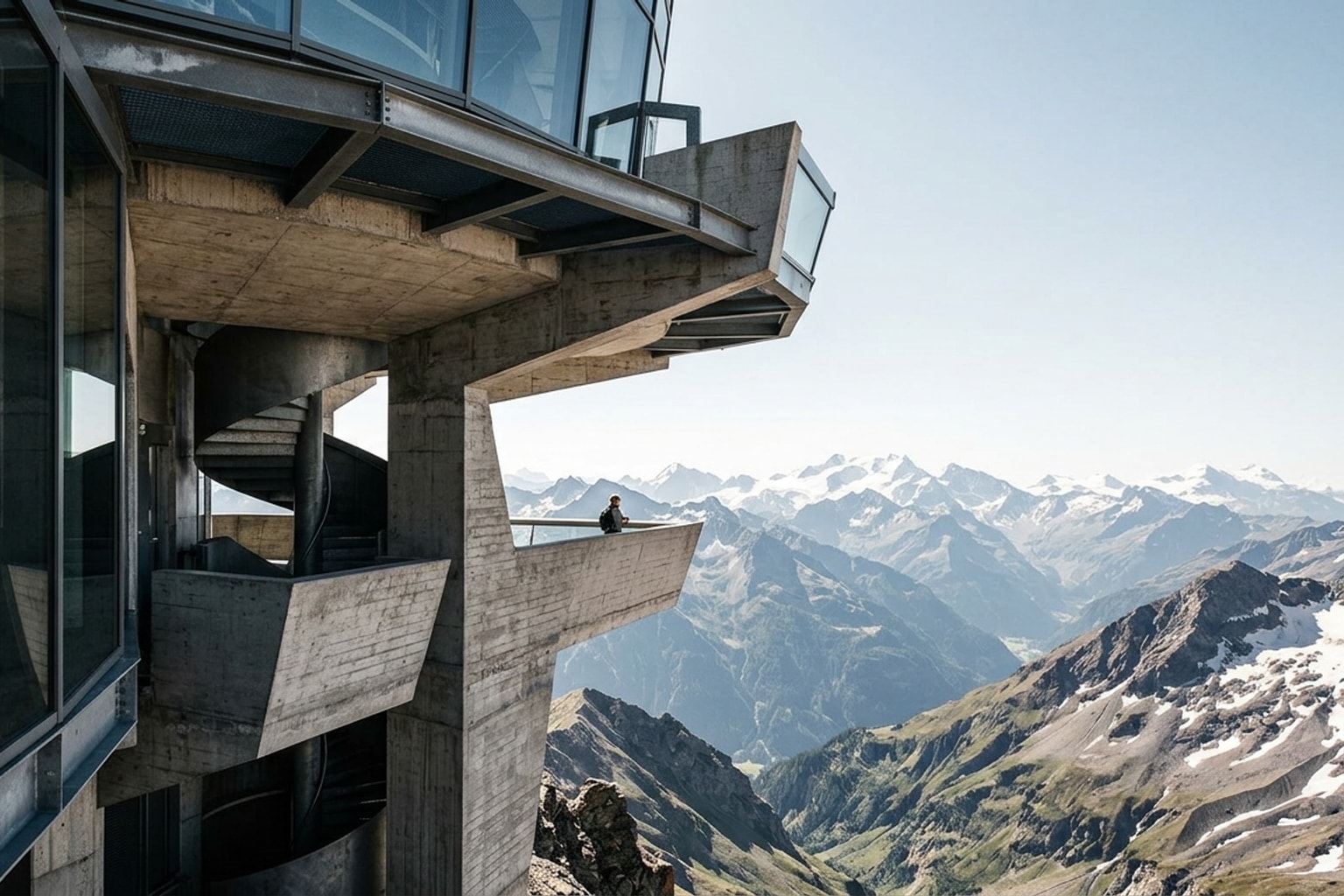
The highlighted projects feature daring cantilevers that suspend visitors over sheer drops, dizzying helical staircases that turn the act of climbing into a visual spectacle, and complex hyperboloids that stand as futuristic sculptures against natural backdrops. A prominent example anchoring this trend is the Titlis Tower in Switzerland, spearheaded by the acclaimed Swiss architectural firm Herzog & de Meuron.
By placing highly ambitious, complex geometry in extreme alpine environments, architects are treating the lookout point as an opportunity to showcase an engineering prowess that is simply too irresistible to pass up.
The catch
At the core of this architectural trend is a question of balance: when does a structure enhance a landscape, and when does it overpower it? the open question is the motivations behind these highly visible interventions in otherwise pristine environments.
Part of the answer lies in the evolving nature of global tourism. Modern travelers are increasingly seeking out multi-sensory experiences.
A dramatic cantilever or a glass-bottomed helical staircase provides a visceral thrill that a traditional, static viewing platform cannot match. The architecture itself becomes a destination, drawing design-conscious tourists who might not have visited the region for the landscape alone.
Also, people are curious about the technical ingenuity required to build in these locations. Constructing a hyperboloid or a massive cantilever on a remote mountainside or a coastal cliff requires overcoming immense logistical and environmental hurdles.
The resulting structures are as much a testament to human engineering and modern materials as they are to aesthetic ambition, blurring the line between infrastructure and high art.
What to verify
As these ambitious projects transition from concept to reality, several critical factors require ongoing observation and verification:
- Environmental impact: How do these massive structural interventions affect local ecosystems, and are the construction processes adhering to sustainable practices in fragile, remote environments?
- Project timelines and accessibility: While designs like the Titlis Tower generate significant media attention, the actual completion dates, public opening schedules, and accessibility provisions for disabled visitors must be tracked.
- Structural resilience: Verification is needed on how these daring cantilevers and complex staircases will withstand extreme weather conditions, such as high alpine winds, seismic activity, or coastal erosion over the coming decades.
- Community reception: It remains to be seen whether local residents and conservationists view these structures as valuable economic drivers or as intrusive vanity projects that detract from the natural environment.
Source trail
The traditional scenic lookout is being reimagined as a site of architectural spectacle. Through the use of daring geometries and gravity-defying engineering, contemporary designers are creating viewpoints that demand as much attention as the breathtaking landscapes they are built to observe.
This analysis is based on a recent roundup of dramatic architectural viewpoints published by Dezeen. For more context on the specific architects driving this trend, further context appears in the broader portfolio of Herzog & de Meuron, the firm behind the highlighted Titlis Tower project in Switzerland.
What to watch next
The useful follow-up is not only that Ten viewpoints where dramatic architecture rivals the landscape is circulating, but whether the next reports add verifiable detail: dates, locations, measurements, documents, expert review, or a primary record that the public can inspect. The source trail includes more Dezeen coverage while watching for primary-source updates. Until those details are public, the careful version is to treat the story as interesting evidence in motion rather than a finished conclusion.
That is also why the story is worth treating carefully. It gives the update a concrete object or event to follow, but it should travel with the limits still attached: what is known now, what remains provisional, and what would make the claim stronger when the next update arrives.