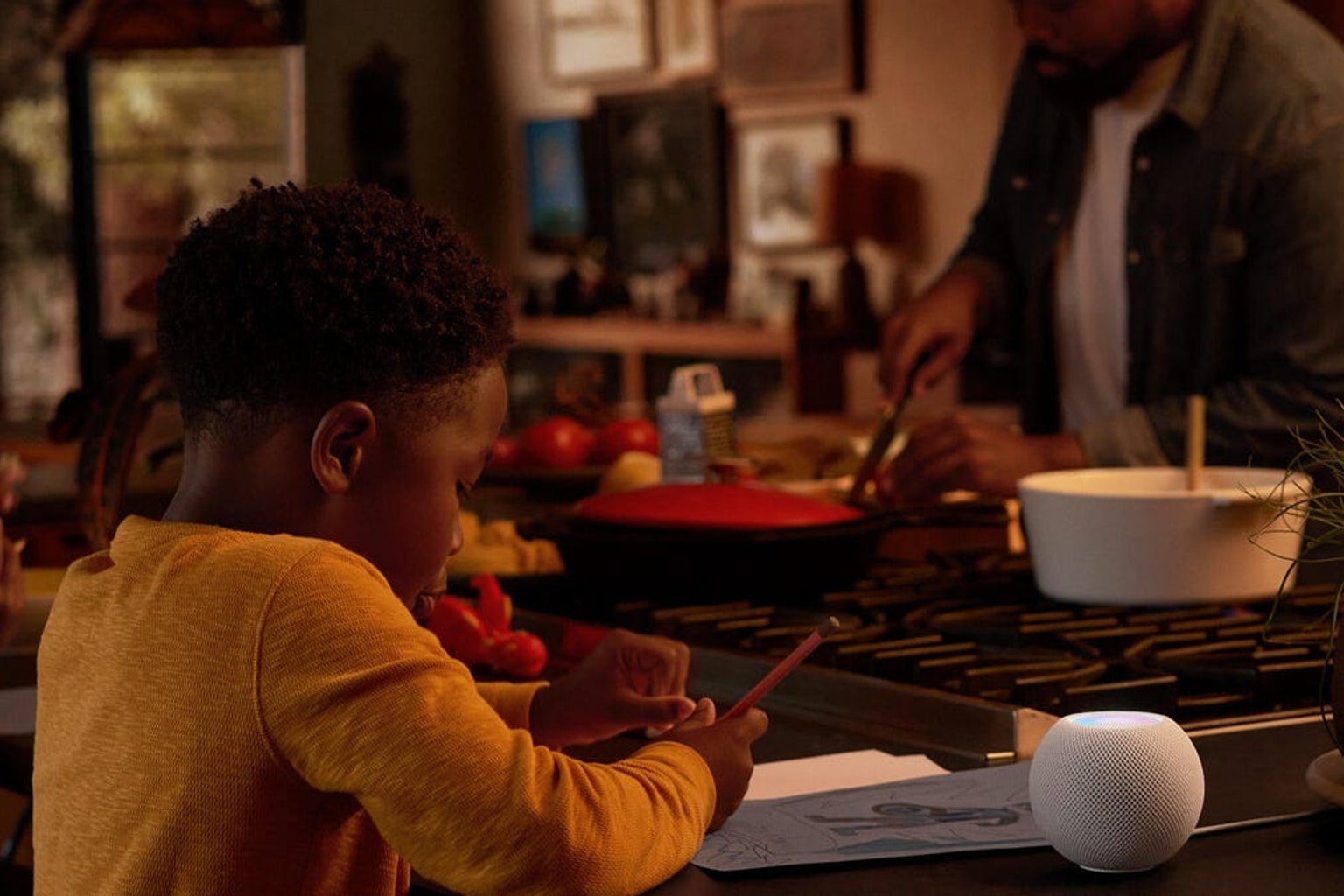
The smart home landscape is undergoing a significant transformation in 2026, largely driven by anticipated advancements in artificial intelligence. The integration of voice assistants into everyday household items has moved from a novelty to a necessity for many modern homeowners.
Recently highlighted by tech publications reviewing the current market, the Apple HomeKit ecosystem is drawing renewed attention. For anyone heavily invested in the Apple ecosystem, this shift in smart home strategy is a crucial development useful for fellow tech enthusiasts trying to future-proof their living spaces.
As Apple prepares to roll out its next-generation Siri AI and enhanced Apple Home capabilities, consumers are actively re-evaluating which connected devices deserve a permanent place in their living rooms.
Why it matters
According to recent industry coverage from CNET News, the timing for purchasing Apple-compatible smart home gear is highly notable right now. The primary catalyst for this surge in interest is Apple’s impending integration of advanced artificial intelligence into Siri.
For years, Siri has been viewed by some industry critics as lagging behind rival voice assistants in complex conversational abilities and contextual awareness. Still, the anticipated “Siri AI” update signals a major leap forward for the platform.
Because this software evolution will directly impact how users interact with their physical environments—from adjusting lighting and climate control to managing home security—the hardware that supports these commands is suddenly in the spotlight. Consumers and tech analysts alike are moving quickly to identify which smart plugs, speakers, and streaming boxes will best leverage these upcoming capabilities.
This shift is also happening against the backdrop of the broader smart home industry embracing cross-platform standards, which makes Apple’s proprietary AI enhancements a key differentiator. The renewed interest is not just about new hardware, but about how existing and newly purchased HomeKit devices will perform once powered by a much smarter, AI-driven assistant.
The catch
Beyond the initial excitement of new software features, the practical issue is practical questions about ecosystem longevity and compatibility. People are primarily trying to determine if the transition to Siri AI will render older HomeKit devices obsolete, or if it will breathe new life into legacy hardware. There is a strong desire to understand the specific hardware requirements for these new Apple Home capabilities.
Will advanced AI processing happen locally on devices like the Apple TV 4K and HomePod, or will it rely entirely on cloud processing? Also, users want to know if Apple’s renewed focus on the smart home will finally close the functionality gap with competitors like Amazon Alexa and Google Assistant.
Ultimately, the core question is whether investing in premium Apple-certified smart home accessories in 2026 represents a future-proof investment or a premature jump before a potential hardware refresh cycle.
What to verify
Because the technology industry moves rapidly and software updates can unexpectedly change hardware requirements, there are several key elements to verify before overhauling a smart home setup. First, consumers should monitor official announcements from Apple about the exact system requirements for the new Siri AI features.
It is critical to confirm whether legacy devices will support the full range of upcoming AI commands.
Second, buyers should verify the firmware update roadmaps from major third-party HomeKit accessory manufacturers to ensure ongoing compatibility. Also, it is worth tracking how privacy protocols will be handled under the new AI framework, as Apple has traditionally made on-device processing a cornerstone of its marketing.
Finally, tech enthusiasts must check for the official rollout dates of these new Apple Home capabilities to ensure their purchasing timeline aligns with the software availability.
Source trail
The primary signal for this market movement comes from a comprehensive 2026 buying guide published by CNET, which outlines the best Apple HomeKit and Siri devices now available. For broader context on how Apple structures its connected ecosystem, the source material includes the official Apple Home capabilities documentation.
As Apple prepares to supercharge Siri with advanced artificial intelligence, 2026 is emerging as a pivotal year for the HomeKit ecosystem. The upcoming software enhancements are expected to dramatically improve how users interact with compatible smart home devices, making this a strategic moment to evaluate and upgrade connected home technology.