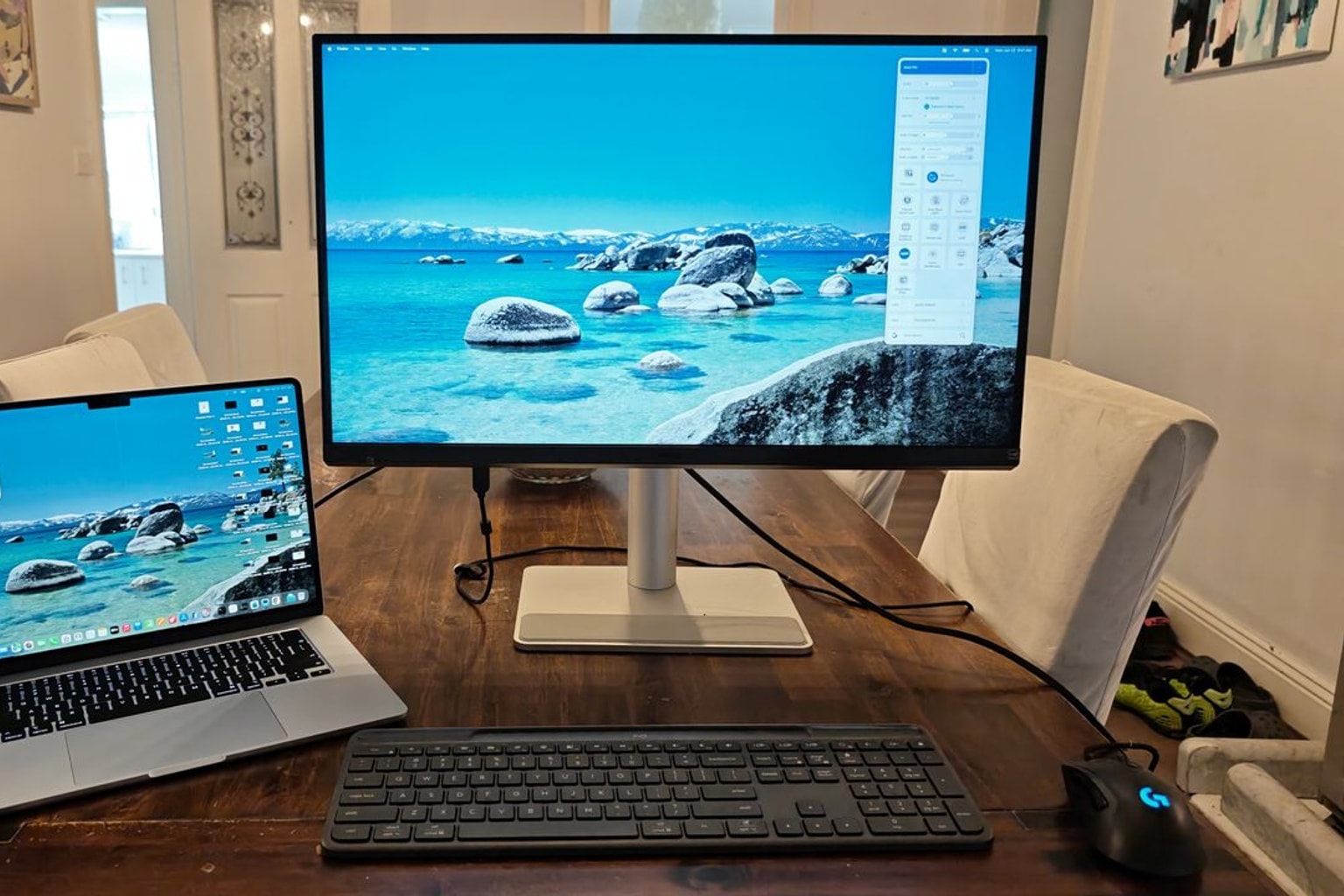
BenQ recently introduced the MA270S, a new external monitor designed to mimic premium Apple displays. The screen promises high-end aesthetics and seamless operation but costs a fraction of the expected price.
This disruption matters because high-end display buyers rarely see credible, budget-friendly alternatives to legacy tech giants. The hardware market often forces a harsh choice between good design and affordable pricing.
Why it matters
Tech outlets are highlighting the BenQ MA270S as a major market shift. TechRadar recently reviewed the device, calling it a direct threat to a massive industry monopoly.
Apple has held a tight grip on the premium monitor market for years. Their displays offer sleek metal finishes and deep integration with Mac computers.
Other companies consistently struggle to match that specific combination. Competitors usually build their screens out of cheap, bulky plastic.
They also often require clunky, physical buttons to adjust basic settings. Adjusting brightness or volume on a third-party monitor is notoriously frustrating.
BenQ claims to have solved these exact issues with the MA270S. The monitor reportedly looks and acts just like an official Apple product.
This sudden arrival of a viable, cheaper alternative has sparked intense interest across the tech sector. Consumers are eager for hardware that respects their wallets without sacrificing style.
The catch
The tech industry relies heavily on ecosystem lock-in. Apple designs its computers and monitors to work perfectly together.
This strategy encourages buyers to stay within the brand. It creates a closed loop where third-party accessories feel inferior by default.
It also allows the company to charge a massive premium. Buyers pay extra for the simple convenience of a unified, attractive setup.
BenQ is attacking that exact premium. The MA270S targets users who want the Apple experience without paying the infamous brand tax.
The monitor focuses on physical design first. It completely ditches the standard thick black frames found on most budget screens.
Instead, it adopts a minimalist, metallic look that blends into a modern workspace. The stand and bezels mimic the clean lines of higher-priced competitors.
Functionality serves as the second pillar of this strategy. The monitor attempts to replicate the smooth software integration that Mac users expect out of the box.
If successful, this approach upends the current hardware pricing model. It proves that premium design does not require a massive retail markup.
Other display manufacturers may soon have to rethink their own pricing strategies. The baseline expectations for budget monitors could shift dramatically.
What to verify
Long-term durability remains a major open question. Premium-looking materials do not always guarantee a long physical lifespan.
Independent testers must also verify the exact color accuracy of the MA270S. Creative professionals require strict color standards that budget monitors often fail to meet.
It is also worth watching how Apple responds to this new threat. The company rarely drops prices, but increased competition could force a change.
They might have to upgrade their entry-level monitor lineup to justify the higher cost.
Software updates could also complicate the BenQ experience. Apple frequently updates its operating systems.
BenQ will need to ensure the MA270S maintains its seamless integration over time. A single software patch could break the illusion of native support.
Source trail
The BenQ MA270S offers the sleek design and smooth functionality of a premium Apple monitor at a much lower cost. This aggressive pricing strategy actively challenges a long-standing monopoly in the high-end display market.
Details on the monitor’s performance and market positioning come directly from the TechRadar review of the BenQ MA270S. General context on monitor market trends and pricing strategies can be tracked through hardware industry analysis platforms.
What to watch next
The useful follow-up is whether the next reports add verifiable detail: dates, locations, measurements, documents, expert review, or a primary record. The source trail starts with the original TechRadar report and more TechRadar coverage while watching for primary-source updates.
Until those details are public, the careful version is to treat the story as interesting evidence in motion rather than a finished conclusion.
That is also why the story is worth treating carefully. It gives the update a concrete object or event to follow, with the limits still attached.