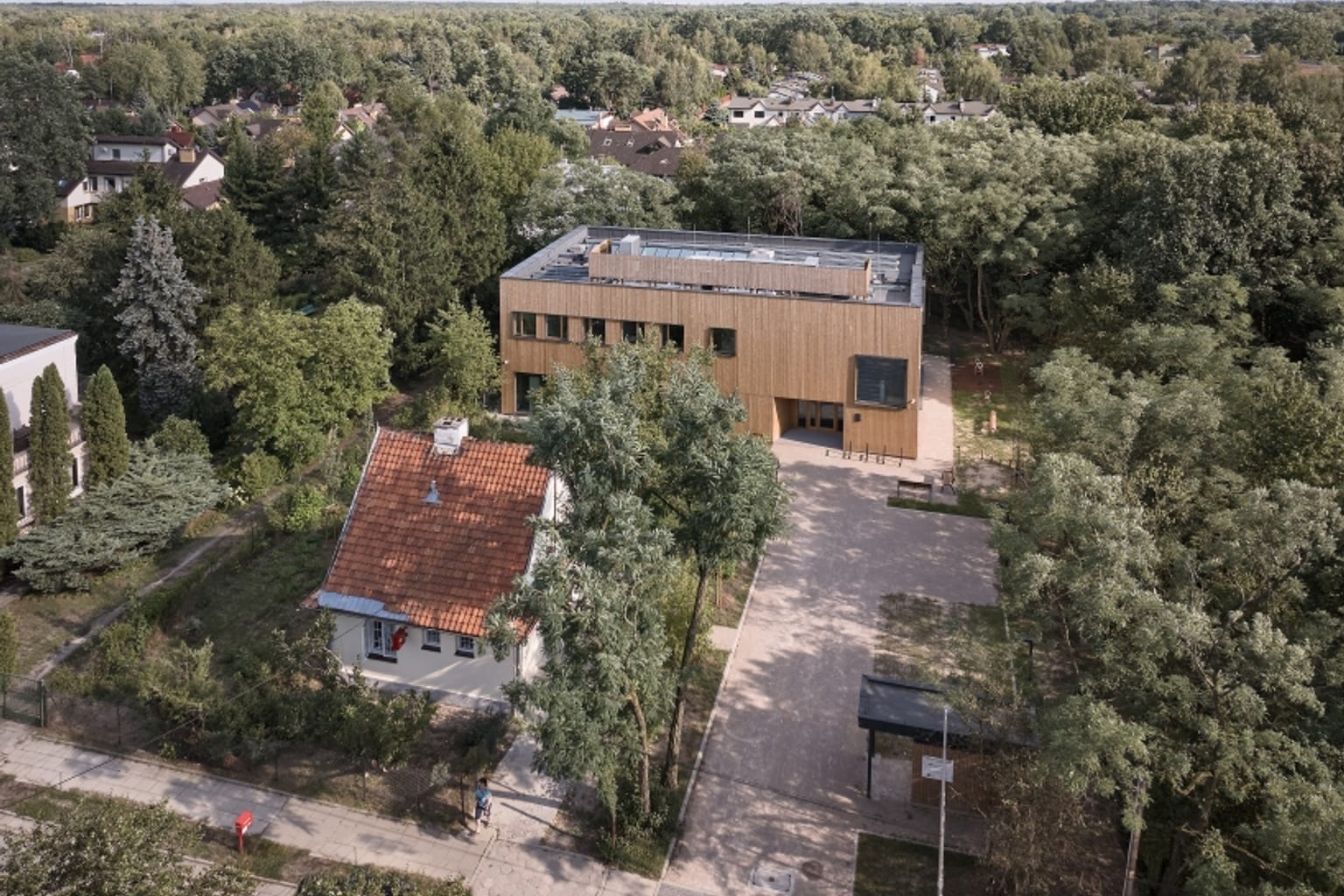
As urban centers grapple with the ongoing need for sustainable, community-focused infrastructure, a new architectural project in Poland is capturing international attention. Located in a lush, tree-heavy district of Warsaw, a newly unveiled public library shows how civic buildings can seamlessly meld with their natural surroundings rather than disrupting them.
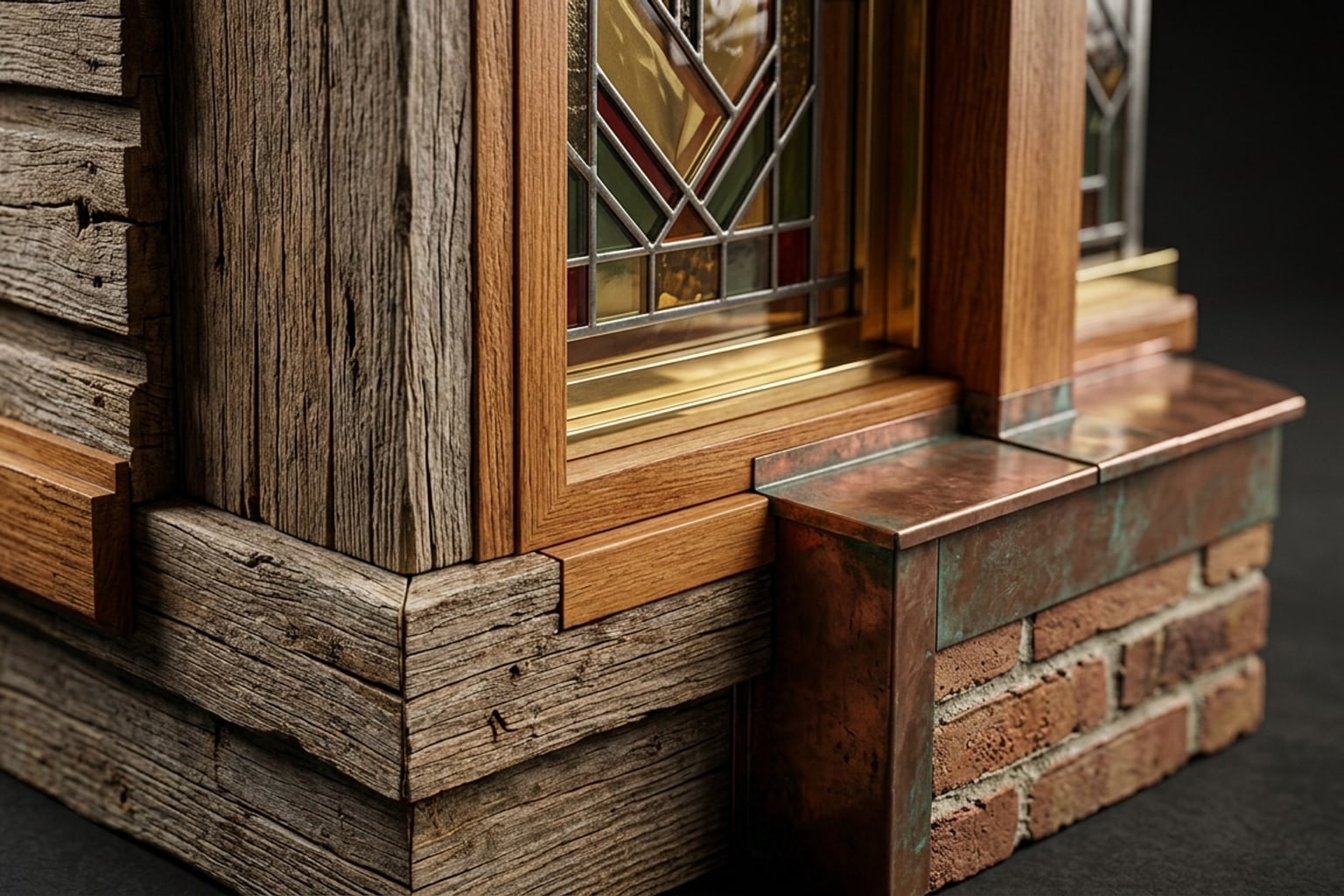
Designed by Ambient Architects, the structure is clad in washed timber, a deliberate material choice that allows the building to visually recede into the forest context. This project is a compelling example of modern biophilic design, making it highly useful for anyone interested in how future cities can build in harmony with nature rather than simply paving over it.
Why it matters
The project has recently gained significant traction in the art and design world following a prominent feature on Designboom. Architecture enthusiasts and urban planners are now driving conversations around the library because it hits two major contemporary design touchstones: ecological integration and functional adaptability.
The washed timber exterior is specifically designed to weather and age gracefully alongside the surrounding trees, offering a muted, organic aesthetic that respects the local environment. Also, as municipal budgets tighten globally, the demand for single-use buildings is plummeting.
Ambient Architects addressed this modern constraint by creating an interior architecture that prioritizes flexible reconfiguration. This means the library is not just a static repository for books, but a dynamic container for community events, workshops, and evolving public needs.
The catch
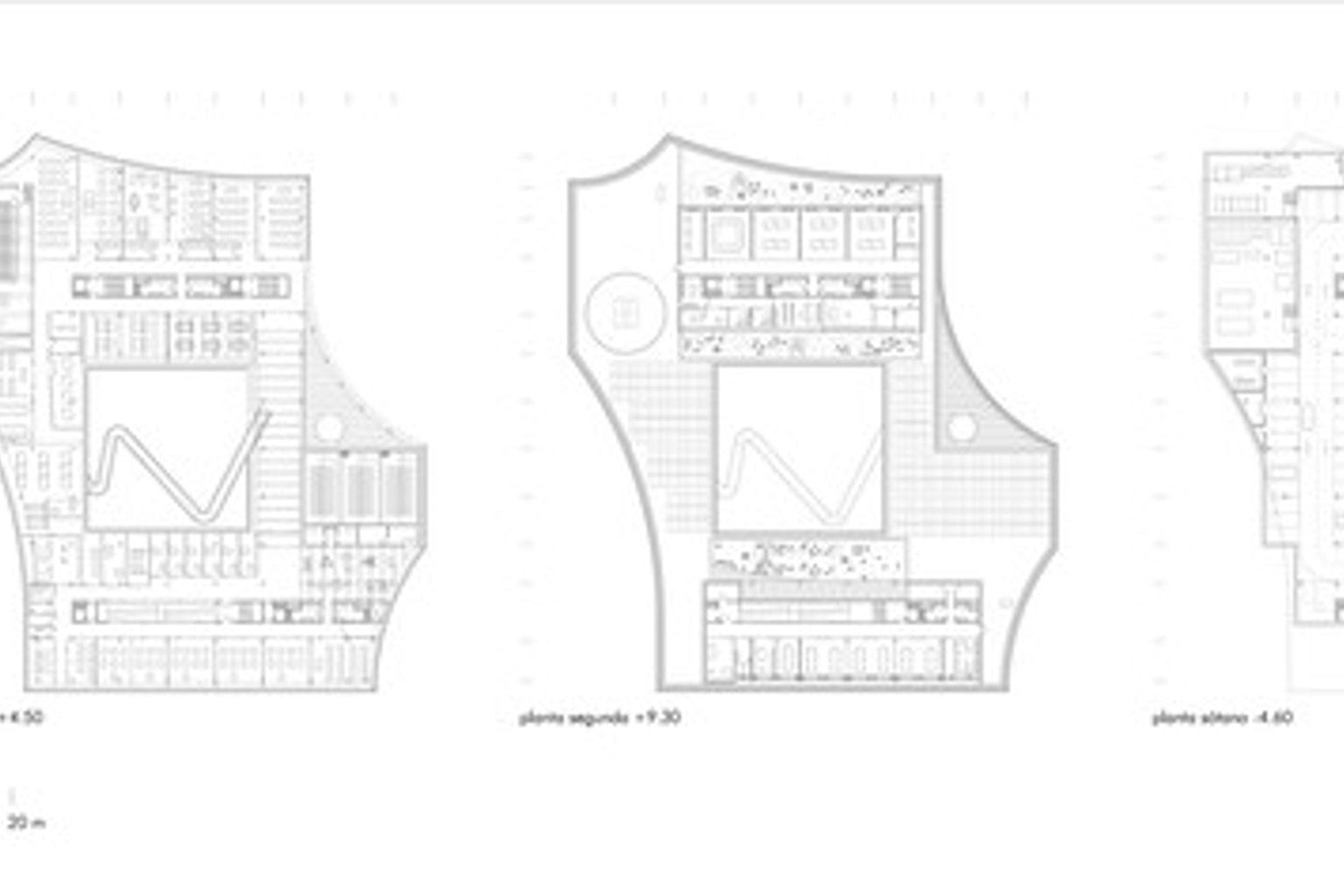
Beyond the striking visual appeal of the wooden facade, the open question is the mechanics of this flexibility. How does a public institution future-proof its floor plan? In the case of this library, the interior spaces are designed to be easily reconfigured. This suggests the strategic use of modular furniture, movable partitions, and open-plan zoning that can shift from quiet reading areas in the morning to bustling community lecture halls in the evening.
Observers are also keen to understand the specific relationship between the building and the Warsaw woodland. Integrating with nature is a frequent architectural buzzword, but here it appears to be executed through material honesty.
Washed timber does not fight the forest; it mimics the textural and tonal qualities of the bark around it. The central question is whether this aesthetic choice also translates to deeper sustainable building practices, such as passive cooling, rainwater harvesting, or the use of locally sourced, low-carbon materials.
What to verify
While the initial visual presentations are striking, several operational and structural details remain to be fully documented. Future reporting should verify the specific origin and treatment process of the washed timber to confirm its long-term durability and true environmental footprint.
Also, tracking the actual community utilization of the flexible spaces will be crucial. It remains to be seen how often the interior configurations are changed by the library staff and whether the modular design holds up to heavy daily public use.
Finally, investigating the building’s overall energy performance—such as its insulation standards and reliance on natural light—will provide a clearer picture of its ecological impact.
Source trail
Ambient Architects has successfully delivered a modern public library in Warsaw that acts as a natural extension of its wooded environment. By pairing a sensitive, washed timber exterior with highly adaptable interior spaces, the project redefines the traditional civic building as a flexible, nature-bound community hub.
The primary details about the building’s aesthetic and structural goals were originally highlighted in a June 2026 showcase by Designboom. For broader context on the specific location, further context appears in the history and geography of Warsaw’s Choszczówka district to better understand the wooded environment that inspired the architects.