The Prancing Horse has long stood as a global symbol of automotive excellence, but the sheer breadth of its aesthetic evolution remains a subject of intense fascination. A recent retrospective has brought the brand’s visual history back into the spotlight, examining how Maranello’s finest creations have consistently pushed the boundaries of both engineering and art.
For enthusiasts of technology, culture, and high-performance machinery, this exploration of automotive history is a perfect piece to share with anyone who appreciates the intersection of classic heritage and cutting-edge innovation.
Why it matters
The conversation around classic and contemporary supercar aesthetics is now surging following a comprehensive new feature from SlashGear, which chronicles 16 of the coolest Ferrari designs of all time. Moving beyond a simple ranking, the piece serves as a cultural and technological timeline spanning nearly 80 years of automotive history.
Interest in legacy automakers frequently spikes when digital publications curate their most iconic achievements, allowing modern audiences to view decades of design language side-by-side. The current digital focus highlights the dramatic transition from the sharp, aggressive lines of wedge-era icons to the fluid, aerodynamically optimized curves of modern masterpieces.
By cataloging these distinct eras, the automotive community is once again debating which specific design philosophies best represent the soul of the legendary Italian manufacturer.
The catch
Beyond simply admiring beautiful cars, the open question is the underlying philosophy that makes a Ferrari instantly recognizable across completely different technological eras. the open question is how the manufacturer balances strict aerodynamic necessities with emotional, sculptural styling.
The visual evidence points to a continuous dialogue between form and function. Classic models relied heavily on the intuitive artistry of legendary coachbuilders, creating pure, uncompromised shapes that defined luxury sports cars for a generation.
In contrast, the modern masterpieces must integrate complex cooling systems, active aerodynamics, and hybrid powertrains without losing that signature aesthetic flair. Audiences are fascinated by this tension: how does an automaker transition from the analog elegance of the mid-20th century to the hyper-calculated, wind-tunnel-dictated aggression of today, while ensuring the underlying design DNA remains entirely intact?
It is a masterclass in brand identity preservation amidst rapid technological advancement.
What to verify
While the broader retrospective provides a sweeping overview of Ferrari’s design triumphs, there are several specific historical and technical threads that curious automotive enthusiasts will want to investigate further.
First, the next step is looking into the specific aerodynamic innovations that accompanied the visual shifts in these highlighted models. For instance, investigating how the aggressive rear wing of the 1980s transitioned into the integrated, active aero-surfaces of modern hypercars provides crucial context for the design evolution.
Second, it is worth verifying how individual design houses—most notably Pininfarina—influenced the specific eras of Ferrari’s visual history. Understanding the transition from outsourced coachbuilding to Ferrari’s in-house Centro Stile design studio offers a deeper explanation for why the cars look the way they do today.
Finally, enthusiasts should examine the market impact of these celebrated designs. Tracking the current auction values of the vintage models compared to the technological reception of the modern entries can reveal whether the collector market values pure aesthetic heritage over contemporary engineering milestones.
Source trail
Ferrari’s 80-year design history is a remarkable showcase of how a single brand can continuously reinvent its visual identity while maintaining an unmistakable core DNA. From the raw, analog beauty of early coachbuilt classics to the wind-sculpted, hybrid-powered hypercars of the modern era, the evolution of the Prancing Horse remains one of the most compelling intersections of art, culture, and high-performance technology.
This automotive design retrospective is based on a feature published by SlashGear, categorized under their tech-culture section. The visual assets associated with the original reporting indicate the inclusion of a wide variety of legendary nameplates.
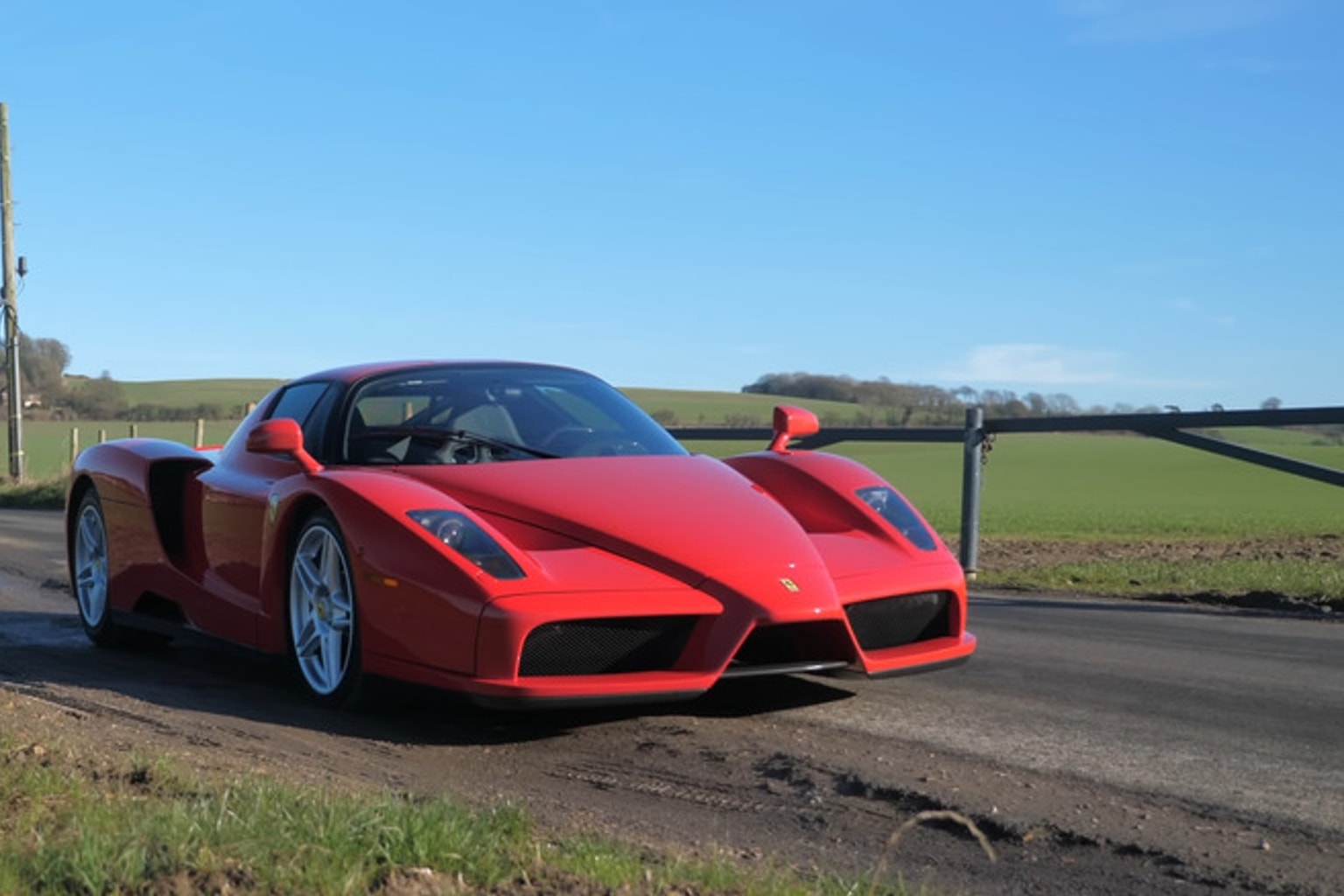
Based on the provided image archives, the highlighted roster spans from vintage classics like the 250 Testa Rossa, 250 California, and 410 Superamerica, to modern marvels such as the LaFerrari, Daytona SP3, and the 812 Competizione. It also notably includes modern-classic transitional icons like the F40, Enzo, and 288 GTO.
What to watch next
The useful follow-up is not only that 16 Of The Coolest Ferrari Designs Of All Time is circulating, but whether the next reports add verifiable detail: dates, locations, measurements, documents, expert review, or a primary record that the public can inspect. The source trail includes more SlashGear coverage while watching for primary-source updates. Until those details are public, the careful version is to treat the story as interesting evidence in motion rather than a finished conclusion.
That is also why the story is worth treating carefully. It gives the update a concrete object or event to follow, but it should travel with the limits still attached: what is known now, what remains provisional, and what would make the claim stronger when the next update arrives.