The allure of a fully automated home cleaning system is undeniably strong. For years, consumers have eagerly adopted robot vacuums to eliminate the daily chore of sweeping and vacuuming floors.
Still, the reality of owning an autonomous cleaning device does not always match the glossy marketing campaigns. A recent technology report highlights that while the market is flooded with options, consumer satisfaction varies wildly.
This story is highly useful for anyone planning to upgrade their smart home setup, as avoiding a poorly reviewed, expensive appliance can save hundreds of dollars and countless hours of frustration.
Why it matters
The conversation around smart home appliance reliability is gaining significant traction following a recent publication by BGR. The tech and culture outlet recently compiled consumer feedback to identify four specific robot vacuum brands that everyday users strongly recommend steering clear of.
Robot vacuums are high-ticket items, often costing anywhere from a few hundred to well over a thousand dollars. When consumers invest in these devices, they expect a seamless, hands-free experience.
Instead, a growing chorus of buyers is taking to forums and review sections to warn potential buyers about brands that consistently fail to deliver on their basic promises. This surge in shared user experiences represents a broader consumer pushback against smart devices that ultimately require more maintenance than the manual tools they were designed to replace.
The catch
Beyond the simple list of brands to avoid, the main question is exactly why these specific manufacturers are drawing such intense user ire. The central question is whether the complaints stem from fundamental hardware failures, such as weak suction power and easily tangled brush rolls, or if the issues are predominantly software-related. In the modern smart home ecosystem, a robot vacuum’s navigation algorithm, mapping capabilities, and companion mobile application are just as critical as its physical cleaning mechanisms. If a vacuum constantly gets stuck under furniture, loses its base station, or deletes saved floor maps, the convenience factor evaporates entirely.
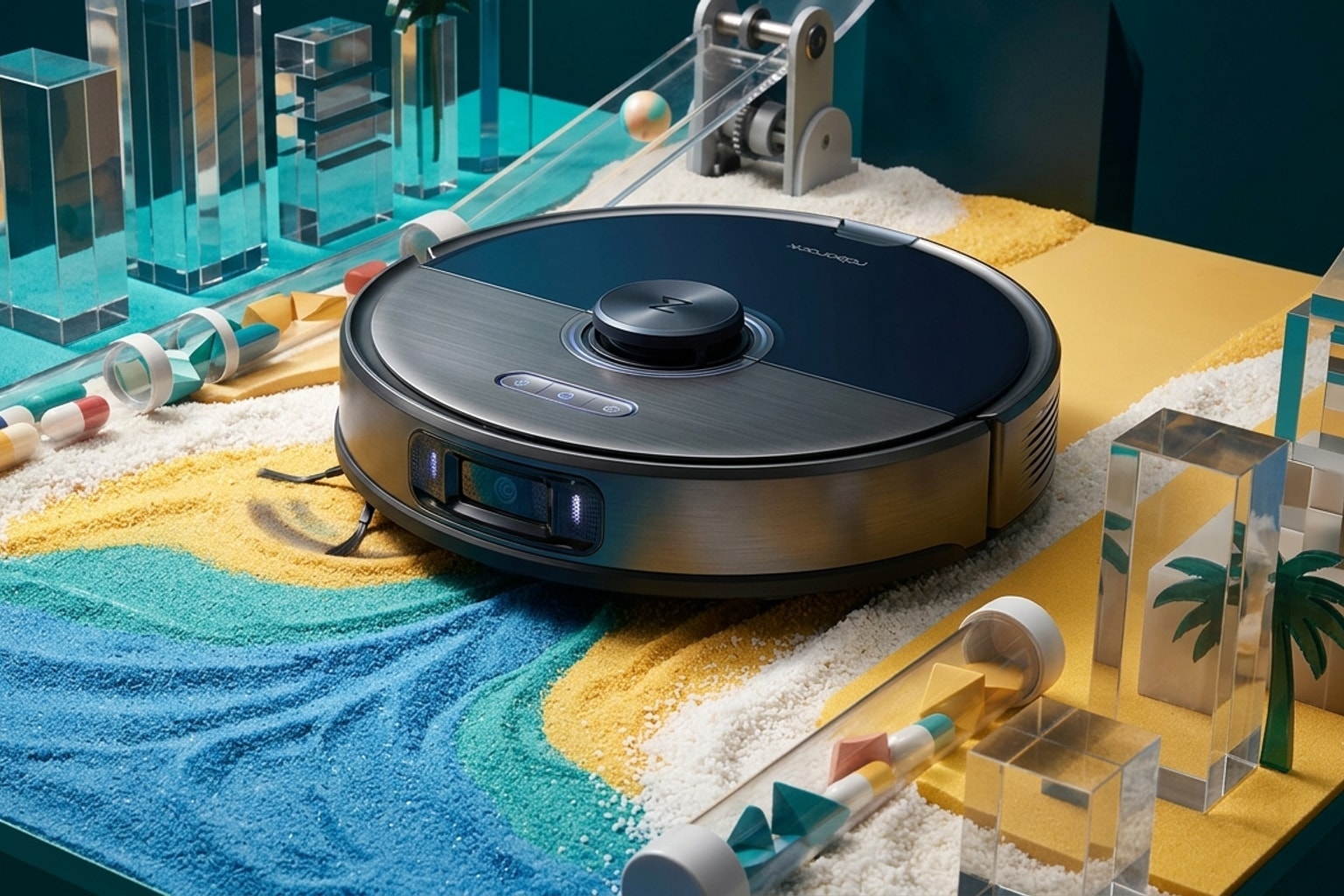
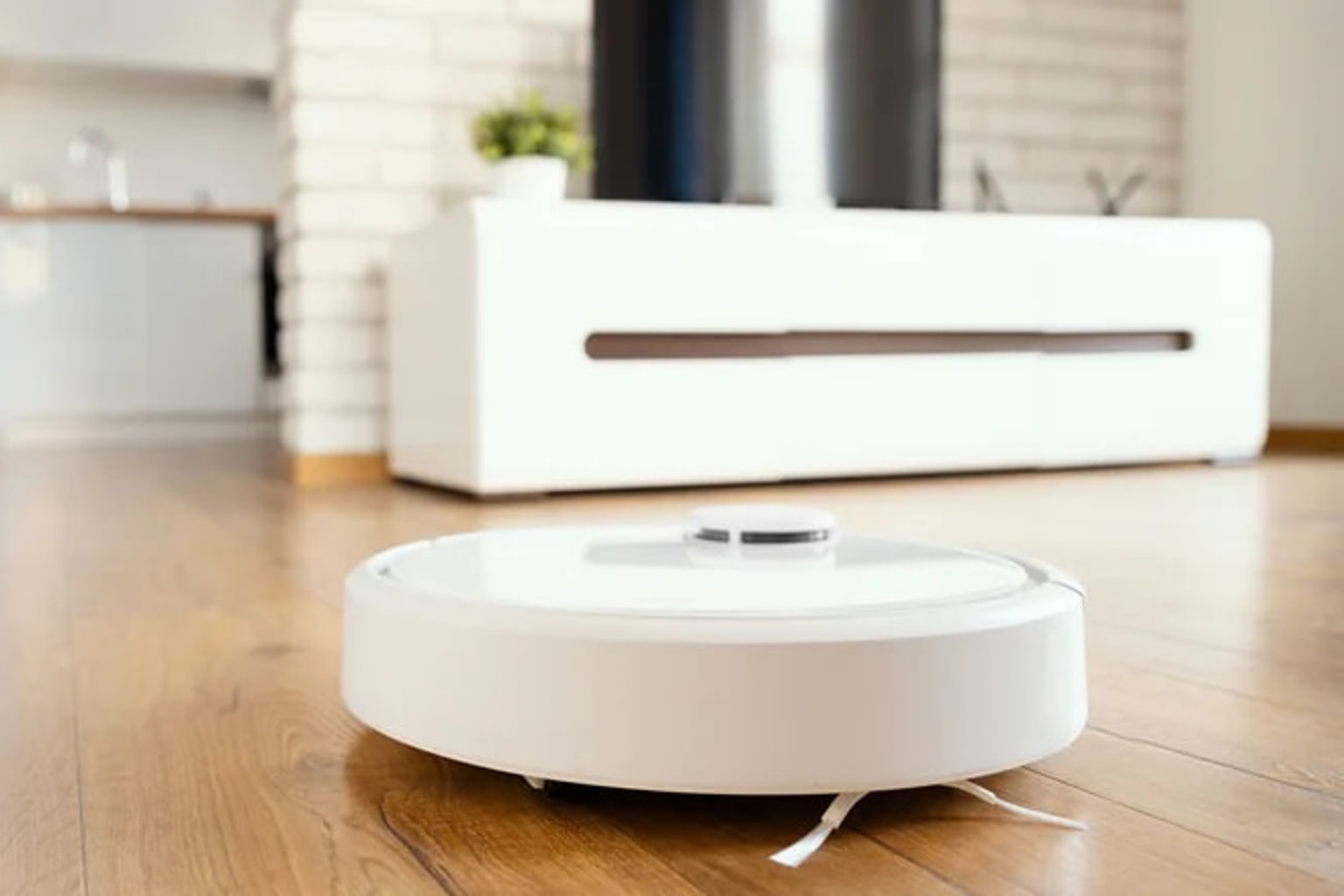
Interestingly, image assets associated with the BGR report suggest that major industry players—potentially including household names like iRobot, Shark, Eureka, and Dyson—might be facing scrutiny in this latest roundup. Consumers are eager to understand whether legacy vacuum brands are struggling to adapt to the complex robotics space, or if pioneering robot brands are resting on their laurels while newer competitors innovate.
What to verify
To get a complete picture of the robot vacuum landscape, several key claims need independent verification. First, prospective buyers should cross-reference the user complaints highlighted by the report with long-term reliability data from independent consumer advocacy groups.
It is crucial to determine if the negative feedback is isolated to specific, older models or if it reflects a brand-wide decline in quality control.
Also, tech analysts need to investigate whether the software-related grievances—such as poor object avoidance or connectivity drops—can be resolved through over-the-air firmware updates, or if they represent permanent flaws in the devices’ onboard sensors. Finally, it is worth checking community-driven platforms like Reddit’s smart home communities to see if the broader user consensus aligns with the published report, and to identify which alternative brands these frustrated consumers are migrating toward instead.
Source trail
The primary catalyst for this discussion is the June 2026 report published by BGR, titled “4 Robot Vacuum Brands That Users Recommend Steer Clear Of.” The article aggregates consumer sentiment to provide a cautionary guide for smart home enthusiasts looking to navigate a crowded appliance market.
- A recent tech report has identified four major robot vacuum brands that everyday users strongly advise against purchasing.
- Consumers are increasingly frustrated by high-priced smart vacuums that suffer from poor navigation, buggy software, or frequent hardware failures.
- The backlash highlights a growing demand for reliable, truly autonomous cleaning solutions rather than devices that require constant human intervention.
- Prospective buyers are encouraged to look beyond marketing claims and heavily weigh everyday user experiences before investing in a new automated cleaner.