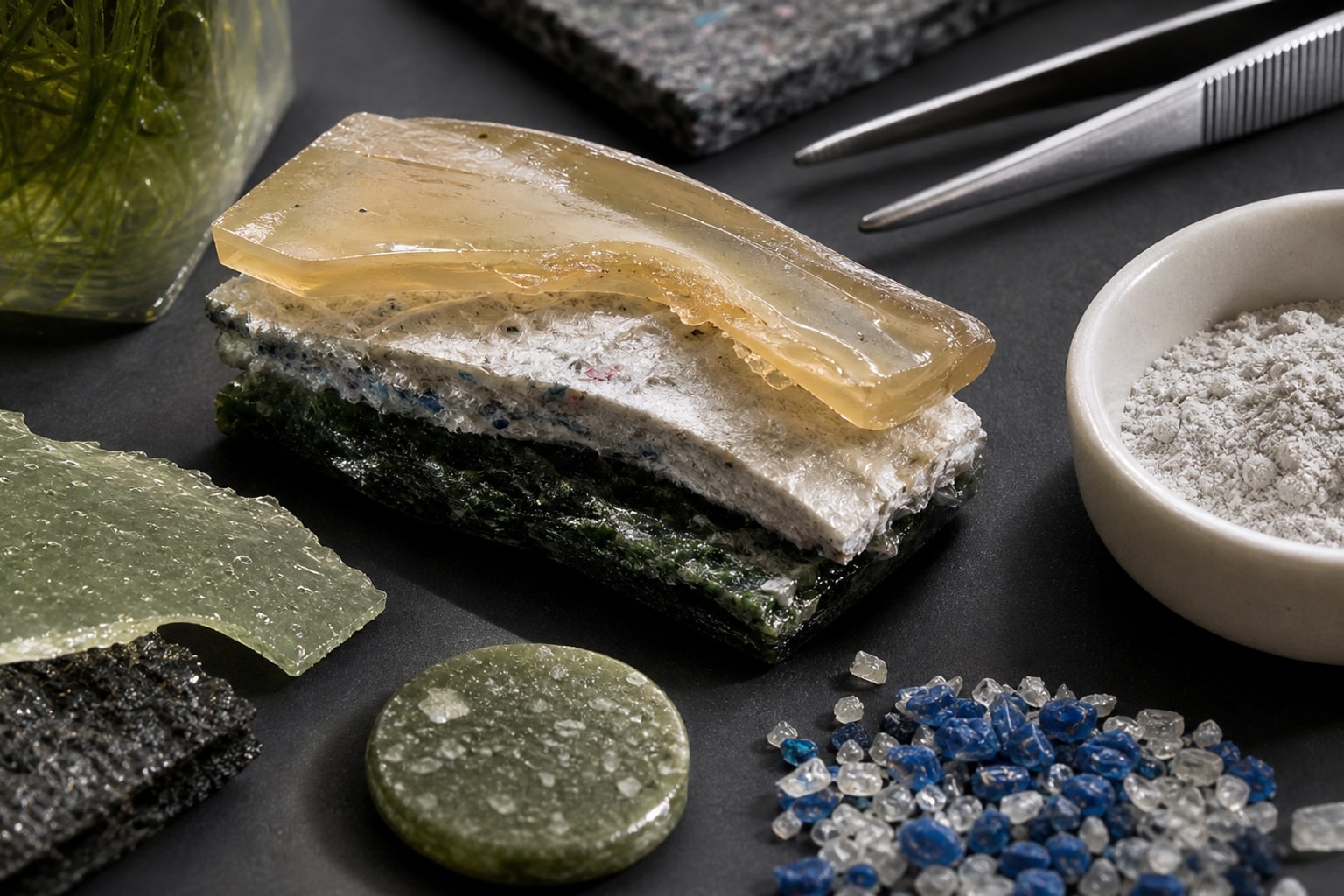
Dutch designer and self-described ‘artivist’ Nienke Hoogvliet recently published a guest essay for Designboom challenging the global design industry. She wants creators to rethink the true value of basic materials and question how contemporary production cycles consume natural resources.
What happened
Hoogvliet uses her studio practice to merge art and environmental activism. She argues that modern manufacturing treats raw materials as cheap and disposable.
Her essay calls for a fundamental shift in how creators view physical resources. She wants designers to look beyond immediate utility and fast trends.
Instead, she asks the industry to consider the entire lifespan of a material. This approach requires deliberately slowing down standard production cycles.
At the same time, the broader design world continues to push novel, complex concepts. Designboom recently highlighted a concurrent collaboration between D1 Milano and 3D artist Peter Tarka.
They created an ‘impossible watch’ design that abandons traditional watch hands. Instead, it uses three rotating discs to tell the time.
The concept quickly gathered tens of thousands of views. This highlights the industry’s ongoing fascination with aesthetic-driven mechanics.
Why it matters
Hoogvliet’s essay arrives as the commercial design sector faces mounting pressure over sustainability. Standard production methods generate massive global waste every single year.
Changing how materials are valued could alter how everyday products are manufactured. Her specific ‘artivist’ approach attempts to make abstract environmental problems tangible.
By focusing on the origin of raw materials, she grounds the broader climate conversation in physical objects. If major manufacturers adopt this mindset, global supply chains would look very different.
Products would be designed for extreme longevity and eventual, safe breakdown. The industry focus would shift from rapid, seasonal output to careful resource management.
The catch
A massive gap remains between conceptual design essays and harsh commercial reality. Hoogvliet’s vision requires companies to willingly sacrifice speed and profit margins.
Most large-scale manufacturers still rely entirely on fast, high-volume production models. Furthermore, the global design market often rewards visual novelty over material sustainability.
Projects like the D1 Milano watch generate viral interest through clever aesthetics and complex engineering. Consumers frequently gravitate toward these striking, visually complex items.
Convincing average buyers to prioritize the unseen value of sustainable materials remains a highly difficult sales pitch. Activist design often struggles to reach true mass-market scale.
What to verify
Review Hoogvliet’s specific past projects to see exactly how she applies these material theories in practice. Look for independent data on how much physical waste current design production cycles actually generate annually.
Check if the D1 Milano and Peter Tarka watch design utilizes any recycled or sustainable materials. It is also worth verifying if this ‘impossible watch’ will enter mass production.
Investigate whether major commercial design brands are actually adopting the ‘artivist’ principles Hoogvliet outlines. Track manufacturing industry reports to see if material lifespans are genuinely increasing across the board.
Source trail
The original guest essay by Nienke Hoogvliet was published by Designboom. Details regarding the D1 Milano and Peter Tarka watch design also appeared concurrently on the Designboom platform.