The intersection of natural ecosystems and human-made objects is taking center stage in emerging design circles. According to a recent feature highlighting student portfolios, the next generation of creators is increasingly looking toward the forest floor and industrial landscapes for aesthetic and structural inspiration.
This shift is now on display through the lens of the New Designers 2026 showcase, a prominent platform for graduating students to debut their final projects.
This story of how emerging creatives are actively rethinking our relationship with organic and industrial environments is an essential read to share with anyone tracking the future of sustainable fashion and contemporary art. It signals a notable departure from traditional material applications, pointing toward an era where clothing and sculpture attempt to harmonize with, rather than dominate, the natural world.
Why it matters
The current interest in these emerging portfolios stems from a recent spotlight by the architecture and design publication Dezeen, which curated a selection of standout projects from this year’s New Designers showcase. The featured works present a striking duality between organic mimicry and industrial exploration.
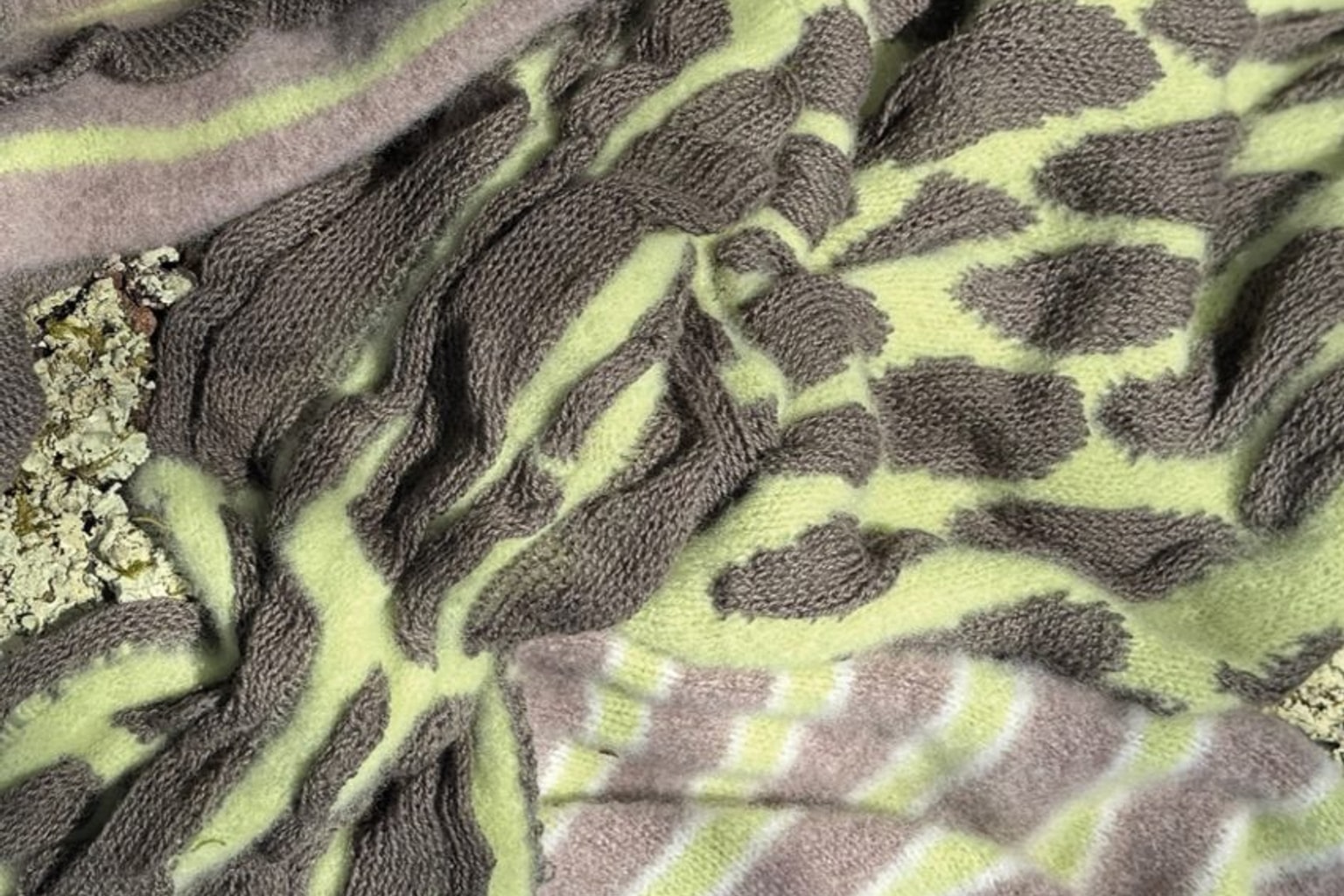
At the forefront of this curation is a sustainable knitwear collection designed to replicate the intricate, irregular textures of moss, tree bark, and mushrooms. By using biomimicry—the practice of learning from and mimicking the strategies found in nature—the project translates the tactile experience of a woodland environment into wearable garments.
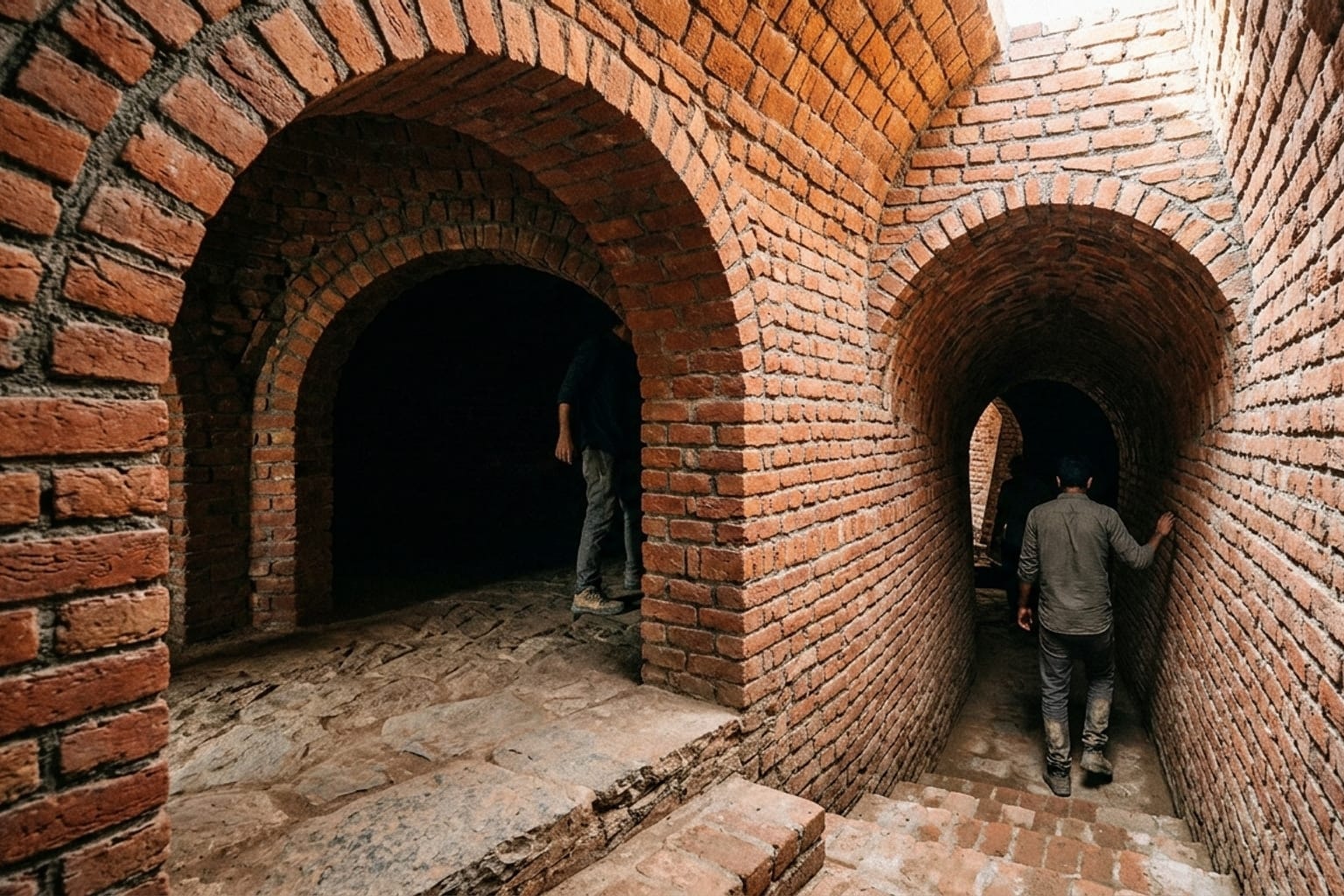
Alongside this nature-informed apparel, the showcase highlights a sculpture collection that investigates the rigid, geometric forms of industrial pipework. Also, multimedia projects are noted among the selected works, indicating a multidisciplinary approach by the 2026 cohort.
The juxtaposition of soft, organic knitwear with hard, industrial sculptural forms provides a compelling snapshot of the diverse thematic interests driving today’s design graduates.
The catch
Beyond the visual appeal of mushroom-textured sweaters or pipework sculptures, observers are attempting to decode what these material choices say about the future of the design industry. The prominent placement of sustainable knitwear mimicking fungi and moss suggests that eco-consciousness is no longer merely an elective module for design students; it is becoming the foundational philosophy of their practice.
People and industry scouts are looking at these projects to gauge how the next wave of designers will tackle material waste and environmental degradation. The mimicking of natural textures often aligns with the use of organic, biodegradable, or recycled yarns, reflecting a desire to create fashion that visually and materially returns to the earth.
Simultaneously, the exploration of industrial pipework in sculpture points to an ongoing fascination with the infrastructure that underpins modern society. Audiences are keen to understand how these young artists reconcile the built environment with the natural one.
Are the industrial forms presented as a critique of urban sprawl, or are they an aesthetic appreciation of human engineering? The tension between the organic and the manufactured is a central narrative that design enthusiasts are eager to unpack.
What to verify
Because the initial showcase highlights offer a high-level overview of the students’ thematic focuses, several practical details require further investigation:
- Material composition: While the knitwear is described as sustainable and nature-informed, the exact fibers and dyes utilized in the collection need to be verified to understand its true environmental footprint.
- Creator identities: Identifying the specific students and their respective universities will provide better context regarding which academic programs are currently leading the charge in sustainable biomimicry.
- Commercial viability: It remains to be seen whether these intricate, moss-like textures can be scaled for broader fashion production or if they will remain conceptual, avant-garde pieces.
- Exhibition details: For those looking to view the works in person, the exact dates, venue details, and public accessibility of the New Designers 2026 showcase must be confirmed.
Source trail
The New Designers 2026 showcase is highlighting a generation of emerging talent deeply invested in the aesthetic and material realities of both the natural and industrial worlds. From sustainable knitwear that echoes the textures of the forest floor to sculptures exploring the geometry of pipework, these student projects signal a future where design is intimately connected to environmental awareness and structural curiosity.
This analysis is based on a recent curation of student projects featured in Dezeen’s School Shows, specifically highlighting works from the New Designers 2026 showcase. For broader context on how biomimicry is shaping modern apparel, further context appears in resources from the Biomimicry Institute.
What to watch next
The useful follow-up is not only that Nature-informed knitwear among projects featured at New Designers 2026 is circulating, but whether the next reports add verifiable detail: dates, locations, measurements, documents, expert review, or a primary record that the public can inspect. The source trail includes more Dezeen coverage while watching for primary-source updates. Until those details are public, the careful version is to treat the story as interesting evidence in motion rather than a finished conclusion.
That is also why the story is worth treating carefully. It gives the update a concrete object or event to follow, but it should travel with the limits still attached: what is known now, what remains provisional, and what would make the claim stronger when the next update arrives.