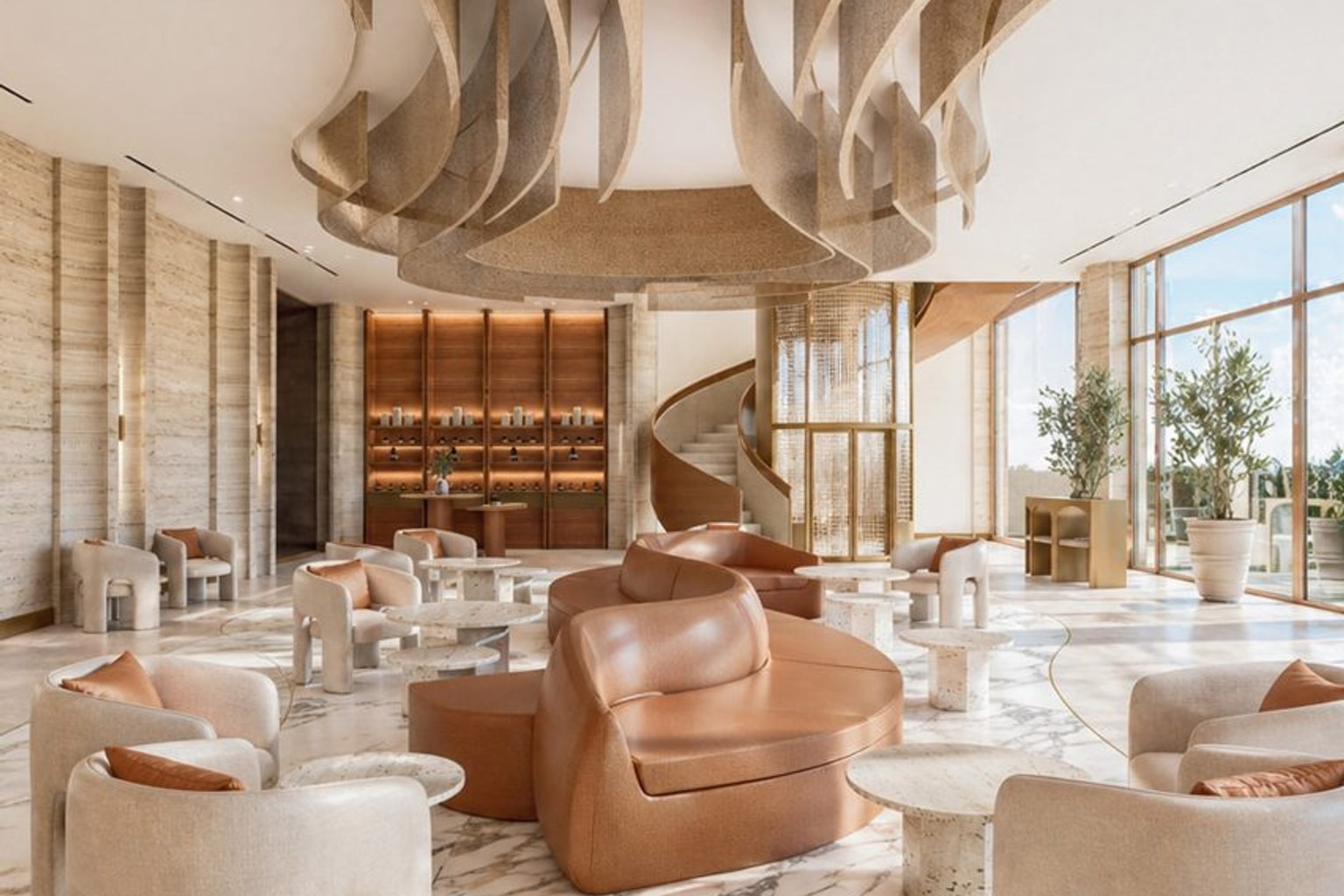
The future of interior design is increasingly empathetic, focusing on community care and holistic health rather than mere aesthetic appeal. This shift is now on display through a recent showcase of student projects from the American University in Dubai.
Highlighted in a prominent digital exhibition, the academic concepts prioritize functional, healing environments that address specific societal needs. This detail matters with anyone interested in how the next generation of architects and designers is rethinking our built environment to better support vulnerable demographics.
Why it matters
The intersection of wellness and spatial design is gaining significant traction within both academic and professional architectural circles. Recently, the digital architecture and design publication Dezeen featured the American University in Dubai as part of its ongoing School Shows series.
This platform highlights emerging talent and provides a window into the evolving priorities of global design education.
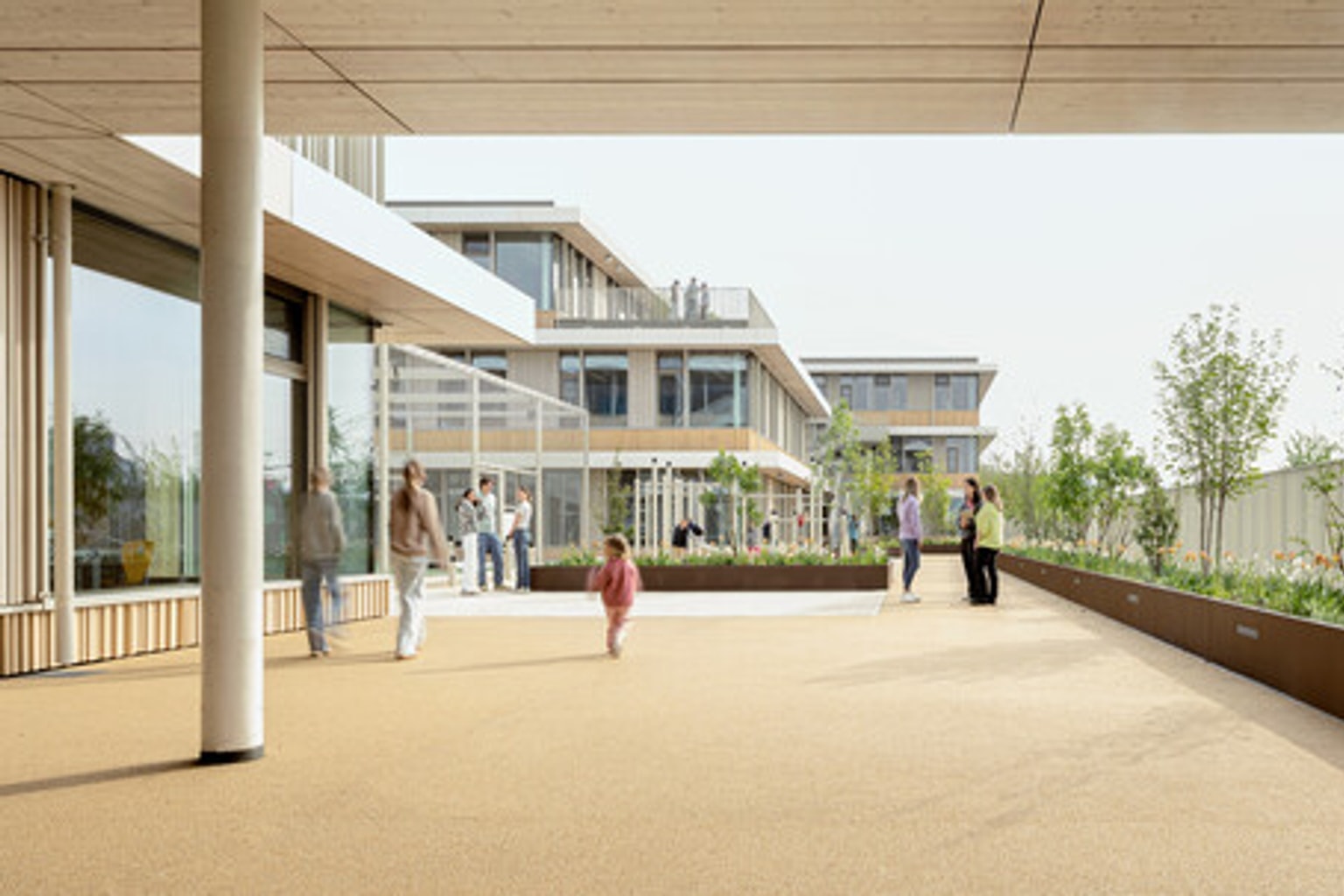
Among the standout concepts presented by the interior design students is a dedicated maternal wellness centre. According to the showcase, this facility is conceptualized specifically for maternal support, education, and recovery.
By focusing on the postnatal and maternal experience—a period often overlooked in traditional healthcare architecture—these students are signaling a critical shift in industry priorities. The inclusion of a youth sports facility designed to encourage a holistic approach to physical activity further underscores this movement.
These projects are moving the conversation forward by demonstrating that the built environment plays a crucial role in physical and mental recovery, pushing beyond the sterile environments typically associated with medical or athletic facilities.
The catch
When encountering these student showcases, design enthusiasts and industry professionals are looking to decipher the underlying philosophies driving tomorrow’s creators. People are primarily trying to understand how academic institutions in rapidly developing urban centres like Dubai are adapting their curricula to address global health and wellness trends.
Also, there is a deep curiosity about the practical application of these concepts. How does a maternal wellness centre physically manifest support and education?
Audiences want to know if these designs incorporate biophilic elements, specialized lighting, or specific spatial flows that actively reduce stress and promote healing. For the youth sports facility, the interest lies in how “holistic” physical activity is translated into interior architecture—perhaps through the integration of mental health spaces alongside traditional physical training areas.
Ultimately, the question is how to gauge whether these empathetic design strategies will eventually transition from student portfolios into tangible, funded construction projects in the Middle East and beyond.
What to verify
Because these are academic projects presented in a digital showcase, several aspects require further investigation to understand their full scope and potential impact.
- Real-world viability: Check if the American University in Dubai is partnering with local healthcare providers or regional developers to bring the maternal wellness centre or youth sports facility concepts into the prototyping or construction phase.
- Specific design interventions: Investigate the exact architectural solutions proposed by the students. What specific materials, spatial arrangements, and technological integrations are they utilizing to facilitate maternal recovery and holistic youth development?
- Curriculum context: Verify if the focus on wellness and community support is part of a broader, formalized shift within the university’s interior design curriculum.
- Broader industry adoption: Monitor whether established architectural firms in the region are adopting similar community-focused, health-centric design briefs for their upcoming commercial and public projects.
Source trail
The primary signal for this development is a feature published by the architecture and design magazine Dezeen. The article is part of the publication’s recurring series, which regularly platforms the work of architecture and interior design students from institutions worldwide.
For more context on the broader trends in student design and academic priorities, further context appears in the main Dezeen School Shows directory.
Interior design students at the American University in Dubai are capturing industry attention with concepts that prioritize human well-being and community support. By focusing their academic projects on specialized environments like a maternal wellness centre and a holistic youth sports facility, these emerging designers are highlighting a vital shift toward empathetic, health-conscious architecture.