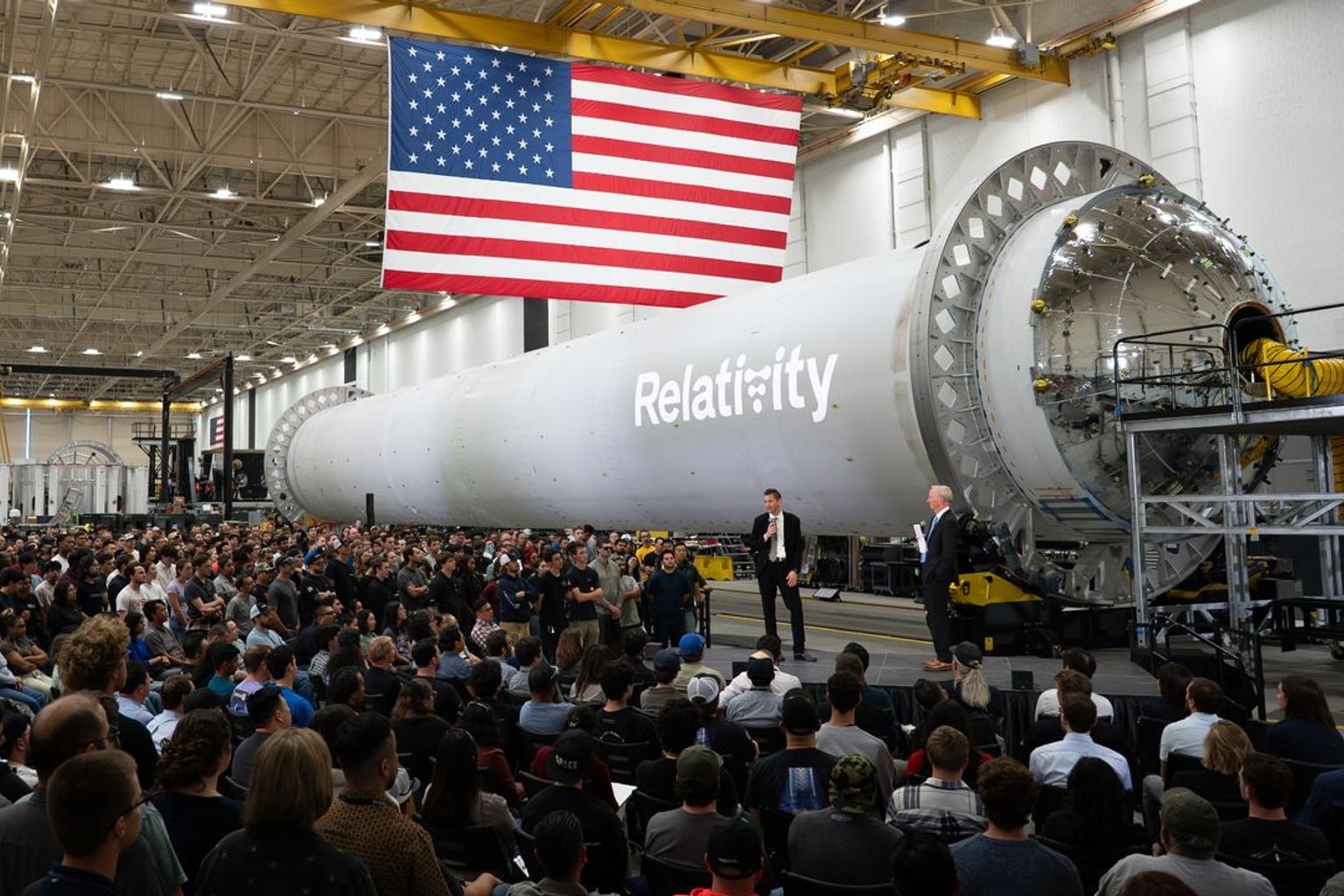
The commercial space race is entering a new phase of diversification, and NASA is actively broadening its roster of private partners. According to recent reports, the space agency has selected a California-based aerospace company to take the reins on an upcoming mission to the Red Planet, handling everything from the spacecraft’s initial design to its eventual launch.
Slated for 2028, the Aeolus mission represents a significant step forward for Martian atmospheric science. This development is useful for anyone tracking the commercialization of space, as it highlights how the aerospace industry is rapidly diversifying beyond a few dominant, headline-grabbing players.
Why it matters
The story is gaining traction following a report from Space. com detailing NASA’s decision to award the Aeolus Mars orbiter contract to a private firm that is notably not SpaceX.
While SpaceX has frequently dominated the conversation about commercial spaceflight and NASA partnerships, this upcoming 2028 mission underscores the agency’s commitment to cultivating a wider competitive market.
The California-based company tasked with this project will be responsible for the end-to-end delivery of the Aeolus probe. Once it reaches Martian orbit, the spacecraft will serve a groundbreaking scientific purpose: it is slated to be the first probe to provide daily, comprehensive measurements of the planet’s global environment.
This continuous monitoring is a major upgrade from previous orbiters, which have often provided more sporadic or localized atmospheric data. The shift toward a fully private design, build, and launch pipeline for an interplanetary science mission shows NASA’s growing confidence in the broader commercial aerospace sector.
The catch
Behind the headlines, audiences are trying to parse two main threads: the scientific value of the Aeolus mission and the economic implications of NASA choosing a different commercial partner.
Scientifically, understanding the Martian climate is an essential prerequisite for any future crewed missions. Mars is notorious for its massive, unpredictable dust storms that can shroud the entire planet, posing severe risks to solar-powered surface assets and potential human habitats.
By securing daily measurements of the global environment, scientists hope to build better predictive weather models for Mars. Aeolus will effectively act as a dedicated meteorological satellite for another world, tracking thermal changes, wind patterns, and atmospheric composition on a consistent daily cycle.
Economically, people are observing a shift in how deep-space exploration is funded and executed. For years, NASA relied on traditional, legacy aerospace contractors for bespoke interplanetary probes, while newer commercial entities focused primarily on low Earth orbit logistics, such as resupplying the International Space Station.
The Aeolus contract signifies that newer, specialized private companies are now capable of executing complex, deep-space scientific missions. The fact that a company other than SpaceX secured this comprehensive contract indicates a healthy, competitive ecosystem where multiple vendors can offer viable, cost-effective solutions for interplanetary travel.
What to verify
Because the initial summary highlights the mission’s scope without explicitly naming the contracted company or the financial terms, there are several key details investigators and space enthusiasts will need to track as the 2028 launch window approaches:
- The specific contractor: Confirm the exact identity of the California-based company that won the bid, as well as their track record with previous orbital or interplanetary hardware.
- Launch vehicle selection: Identify which rocket will be used to propel the Aeolus spacecraft to Mars, as the contracted company may either use its own launch vehicle or subcontract the launch to another provider.
- Contract value and structure: Determine the financial parameters of the award, including whether it is a fixed-price contract, which has become NASA’s preferred method for commercial partnerships.
- Payload specifics: Review the exact suite of scientific instruments the probe will carry to achieve its daily environmental monitoring goals.
Source trail
NASA has entrusted the design, construction, and launch of its 2028 Aeolus Mars orbiter to a California-based private aerospace company, signaling a move to diversify its commercial partnerships. The mission is poised to make history by providing the first-ever daily measurements of the Martian global environment, a critical step for understanding the planet’s complex weather systems and preparing for future exploration.
The primary signal for this development comes from Space. com’s coverage of the upcoming 2028 mission.
For broader context on how the agency manages its planetary science initiatives and commercial partnerships, people can also monitor official updates through the NASA Mars Exploration Program.