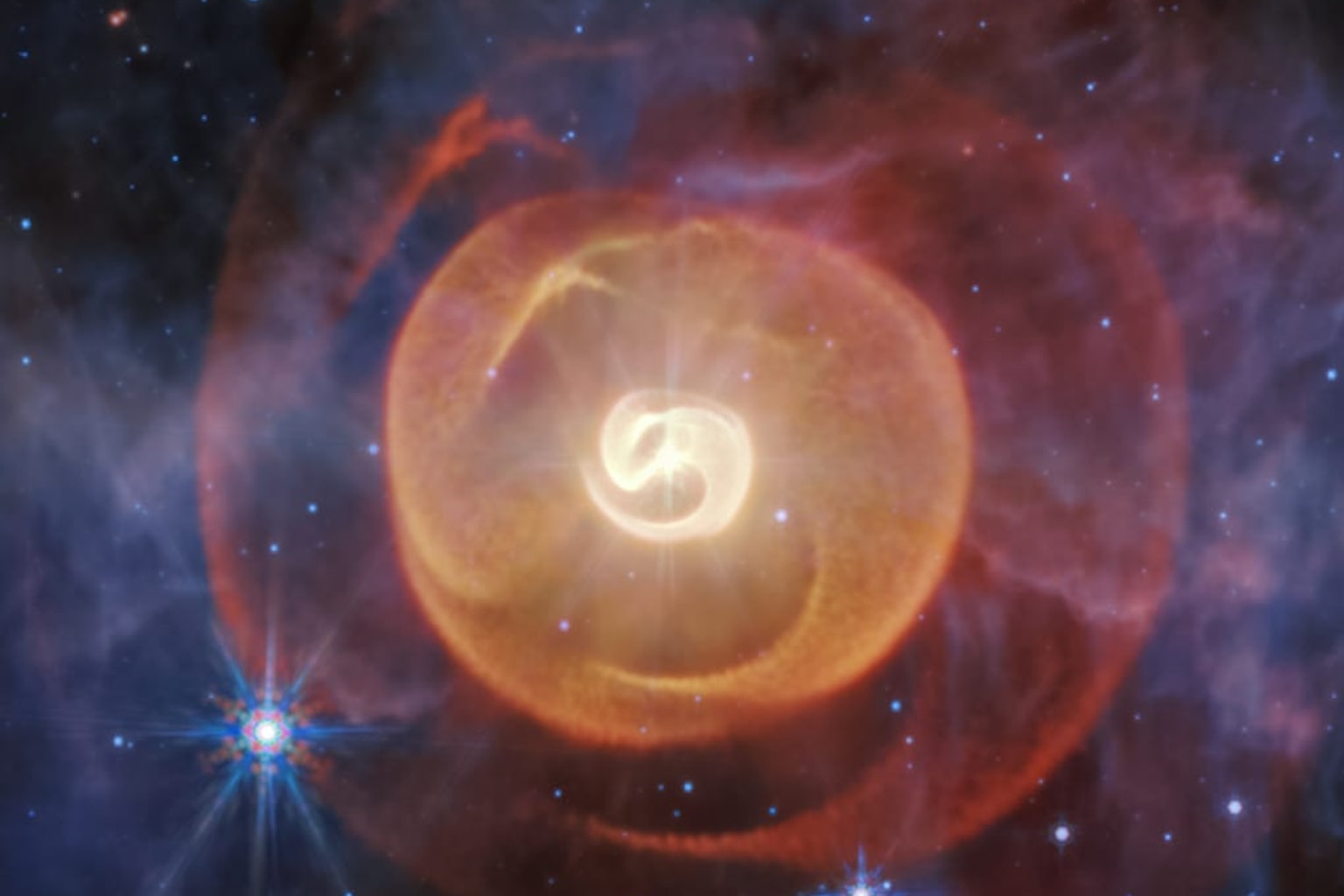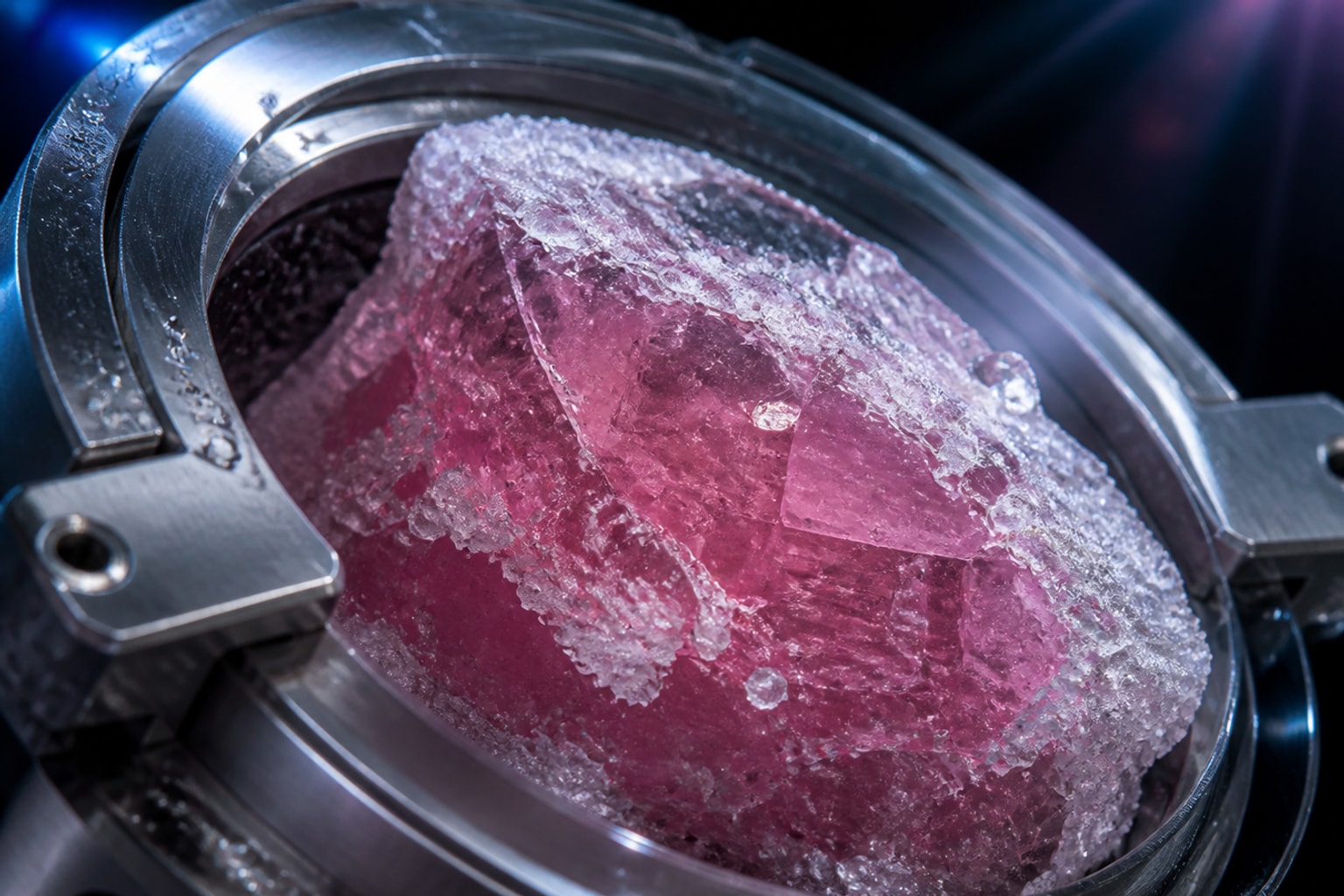
The James Webb Space Telescope has once again expanded our understanding of distant worlds, turning its highly sensitive infrared gaze toward a famously frigid exoplanet. Known colloquially as the “Pink Planet,” this distant celestial body has recently yielded a fascinating atmospheric secret: a distinct chemical signature pointing to a highly unusual salty environment.
As humanity continues to map the cosmos, discoveries like this highlight just how diverse and unpredictable planetary bodies outside our solar system can be.
Why it matters
Astronomers and space enthusiasts are buzzing following a new report detailing the telescope’s latest and highly unexpected findings. According to a June 2026 dispatch from [Space.
com](https://www.space.com/astronomy/exoplanets/james-webb-space-telescope-finds-a-salty-surprise-on-famous-pink-planet), researchers using the James Webb Space Telescope have detected strange salty compounds on one of the coldest exoplanets now known to science.
The story is gaining rapid traction because the “Pink Planet” was already a subject of intense public and scientific fascination due to its striking visual hue and extreme low temperatures. Finding a “salty surprise” in such a hostile, frozen environment fundamentally challenges previous assumptions about the chemical makeup of cold exoplanets.
This makes it a highly compelling piece of news to share with anyone fascinated by the ongoing mysteries of our wider universe and the rapid evolution of modern planetary science. The juxtaposition of a freezing environment with chemical markers we typically associate with dynamic, warmer worlds is driving intense curiosity across the scientific community.
The catch
Beyond the catchy nickname of the Pink Planet, the core scientific intrigue lies in what the presence of salt actually signifies for planetary formation. When astronomers detect specific chemical signatures like salt in an exoplanet’s atmosphere or on its surface, it provides vital, hard-to-reach clues about the planet’s formation history, its weather patterns, and its internal composition.
People are eager to know the mechanics of this salt: is it suspended high in the atmosphere as crystalline clouds, or does the data suggest a frozen surface crust rich in sodium or other complex salts? Also, this discovery underscores the unprecedented sensitivity of the James Webb Space Telescope.
Before this observatory began its operations, detecting complex or unexpected chemical compounds on extremely cold, distant planets was incredibly difficult. Most atmospheric studies previously focused on “Hot Jupiters” because their inflated, boiling atmospheres are easier to read.
The presence of these salts on a freezing world might alter existing models of how planets form and migrate in the outer, colder regions of their respective star systems.
What to verify
As with all breaking astronomical discoveries, several key details require further scientific validation and rigorous peer review. Researchers will need to confirm the exact chemical composition of the “salt”—whether the data points to sodium chloride, potassium chloride, or another variant entirely.
Also, the broader planetary science community will look for formally published papers detailing the exact spectroscopic data captured by the telescope’s instruments. It remains to be seen how the extreme cold interacts with these salty compounds to produce or influence the planet’s signature pinkish hue.
Scientists will also need to schedule follow-up observations to see if these transit readings remain consistent over time, and whether these new passes will reveal other unexpected elements like water ice or complex organic molecules hidden in the data.
Source trail
The James Webb Space Telescope has successfully detected unexpected salty compounds on the famously cold “Pink Planet.” This remarkable discovery not only adds a new layer of complexity to our understanding of this specific exoplanet’s atmosphere but also shows the telescope’s phenomenal, paradigm-shifting ability to parse the chemical makeup of distant, freezing worlds that were previously out of reach.
The foundation for this planetary update comes from recent reporting on the telescope’s latest exoplanet targets. For more details on the initial discovery, can read the original report at [Space.
com](https://www.space.com/astronomy/exoplanets/james-webb-space-telescope-finds-a-salty-surprise-on-famous-pink-planet). To understand more about how these observations are made, the NASA James Webb Space Telescope mission page provides extensive background on infrared spectroscopy and exoplanet research.
What to watch next
The useful follow-up is not only that James Webb Space Telescope finds a salty surprise on famous ‘Pink Planet’ is circulating, but whether the next reports add verifiable detail: dates, locations, measurements, documents, expert review, or a primary record that the public can inspect. The source trail includes more Space.com coverage while watching for primary-source updates. Until those details are public, the careful version is to treat the story as interesting evidence in motion rather than a finished conclusion.
That is also why the story is worth treating carefully. It gives the update a concrete object or event to follow, but it should travel with the limits still attached: what is known now, what remains provisional, and what would make the claim stronger when the next update arrives.