In the evolving landscape of contemporary commercial architecture, the boundary between utilitarian function and curated exhibition is increasingly porous. This shift is now on display in Tbilisi, where a newly highlighted project merges the gritty reality of an automotive service center with the refined aesthetics of an art gallery.
Designed by Material Editors in collaboration with Teona Kokhodze, the hybrid space challenges traditional expectations of automotive environments. By integrating industrial kinetic displays and a highly intentional material palette, the project transforms routine vehicle maintenance into a highly visual, spatial experience.
Why it matters
The international architectural community is now turning its attention to this Tbilisi-based project following a recent feature in designboom, a leading architecture and design magazine. The attention stems from the designers’ innovative use of raw, industrial components to elevate a traditionally overlooked typology: the local auto repair shop.
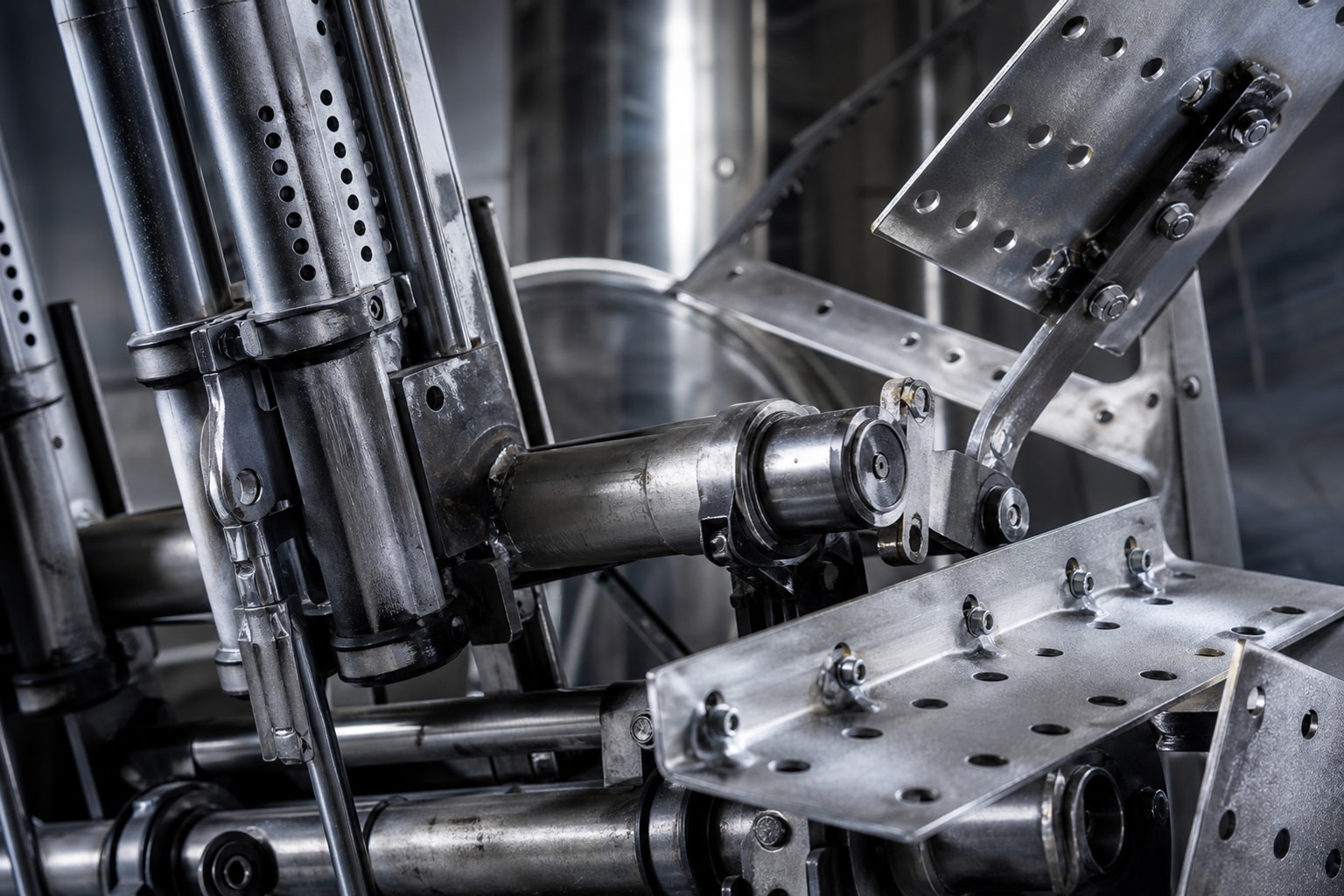
According to the project details emerging in design circles, the space relies heavily on a layered material palette. The prominent use of silver-painted steel tubes and perforated metal creates a textured, industrial atmosphere that feels both futuristic and deeply rooted in mechanical function.
This aesthetic choice resonates strongly with current architectural trends that favor exposing, rather than concealing, the structural and functional elements of a building. The inclusion of kinetic displays further activates the space, moving it away from a static waiting room and toward an engaging, dynamic exhibition area.
The catch
Beyond the striking visual cues, the open question is how this “hybrid exhibition and automotive service space” actually functions in practice. The core question is how the kinetic displays interact with the daily operations of a working garage.
Typically, automotive service centers are designed purely for efficiency, often relegating customers to sterile, disconnected waiting rooms. This project, Still, suggests a model where the mechanics of the service itself might be integrated into the exhibition.
The use of perforated metal implies a play with transparency and visibility, potentially allowing patrons to view the automotive work through a curated, architectural lens. The silver-painted steel tubes likely serve both structural and aesthetic purposes, guiding the eye and organizing the hybrid environment.
People are fundamentally interested in this reimagining of the customer journey—how industrial design can turn the mundane chore of car maintenance into an immersive spatial experience.
Source trail
The collaboration between Material Editors and Teona Kokhodze represents a bold step forward in commercial interior design, proving that highly functional spaces do not have to sacrifice aesthetic ambition. By treating an automotive service center with the same reverence usually reserved for cultural institutions, the designers have created a unique environmental blueprint.
This intersection of gritty automotive repair and sleek architectural design offers a compelling glimpse into the future of commercial spaces, making it a fascinating conversation piece for design enthusiasts and urbanists alike to share with their networks.
What to verify
Because the current reports provide only a high-level overview of the material palette and conceptual framework, several practical details remain to be confirmed. Observers and architectural critics will need to verify the exact nature of the “kinetic displays”—specifically, whether these moving elements are purely decorative artistic installations or if they serve a functional purpose in moving vehicles or equipment within the service center.
Also, the exact location within Tbilisi and the current operational status of the garage are details that require on-the-ground confirmation. Further documentation of the space in active use will clarify how the hybrid model balances the dirty, noisy reality of auto repair with its pristine, exhibition-style design.
The primary signal for this architectural development comes from designboom’s coverage of the project by Material Editors and Teona Kokhodze. The publication highlights the conceptual design, focusing on the integration of silver-painted steel and perforated metal in Tbilisi’s rapidly evolving contemporary design scene.
What to watch next
The useful follow-up is not only that industrial kinetic displays shape hybrid exhibition and automotive service space in tbilisi is circulating, but whether the next reports add verifiable detail: dates, locations, measurements, documents, expert review, or a primary record that the public can inspect. The source trail includes more designboom coverage while watching for primary-source updates. Until those details are public, the careful version is to treat the story as interesting evidence in motion rather than a finished conclusion.
That is also why the story is worth treating carefully. It gives the update a concrete object or event to follow, but it should travel with the limits still attached: what is known now, what remains provisional, and what would make the claim stronger when the next update arrives.