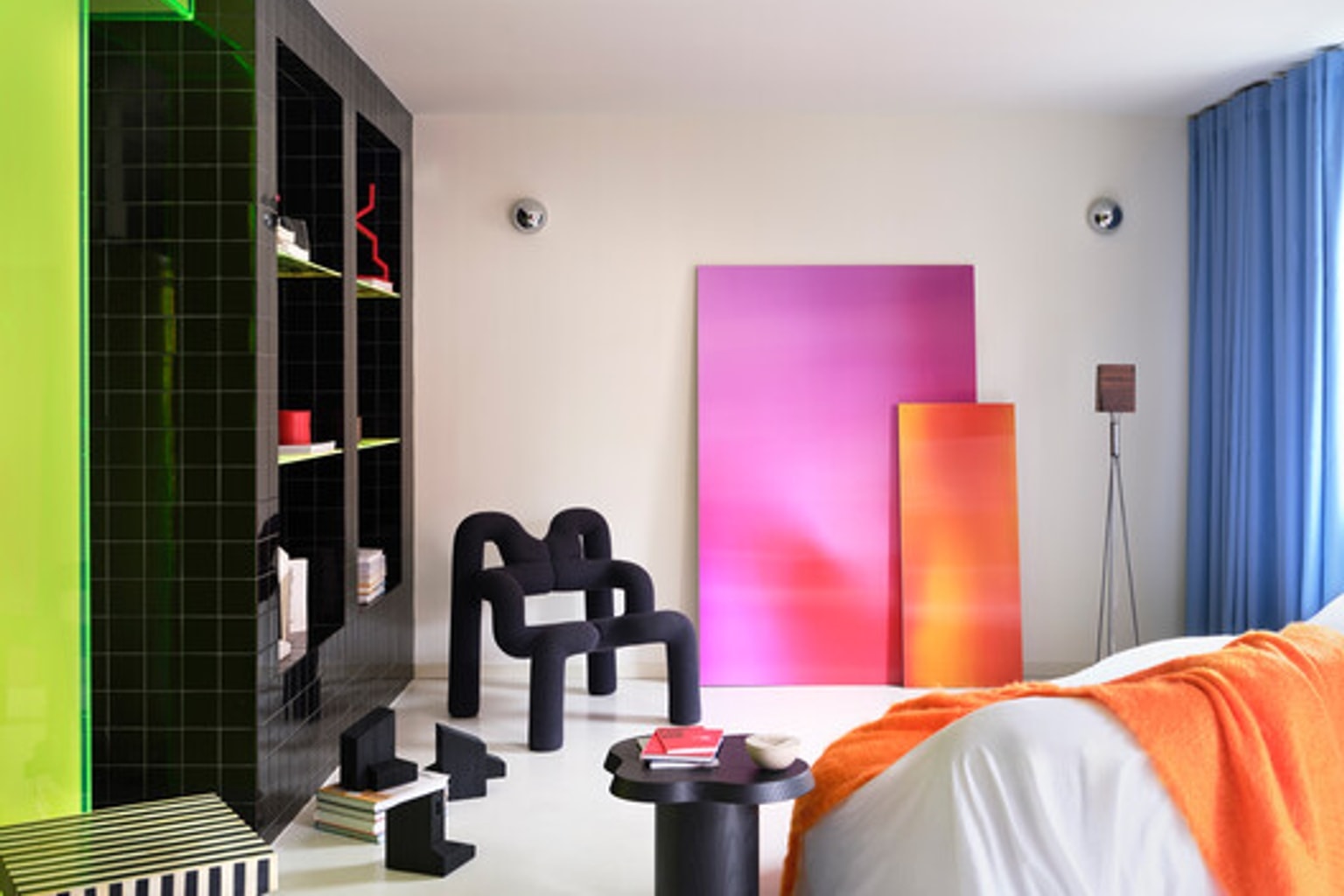
For decades, the prevailing doctrine in residential architecture has been the open floor plan—a seamless flow of space that promised abundant light and sociability but often sacrificed privacy. Now, a counter-movement is gaining visibility in European design circles.
A recent renovation project in Madrid, dubbed Macedonia House and designed by the architectural practice bardo, is capturing attention for its deliberate rejection of the boundary-less home. This architectural pivot is a compelling story useful for anyone interested in how our domestic spaces are evolving to prioritize personal sanctuary over sprawling, multi-purpose rooms.
Why it matters
The project recently surfaced on the global architecture platform ArchDaily, sparking conversations among design professionals and interior enthusiasts alike. According to the initial project signals, the Macedonia House renovation stems from a foundational desire to “surprise” its inhabitants and guests.
Rather than gutting the interior to create a single cavernous living area, the clients came to bardo with a highly specific mandate. They envisioned a home defined by a fragmented layout.
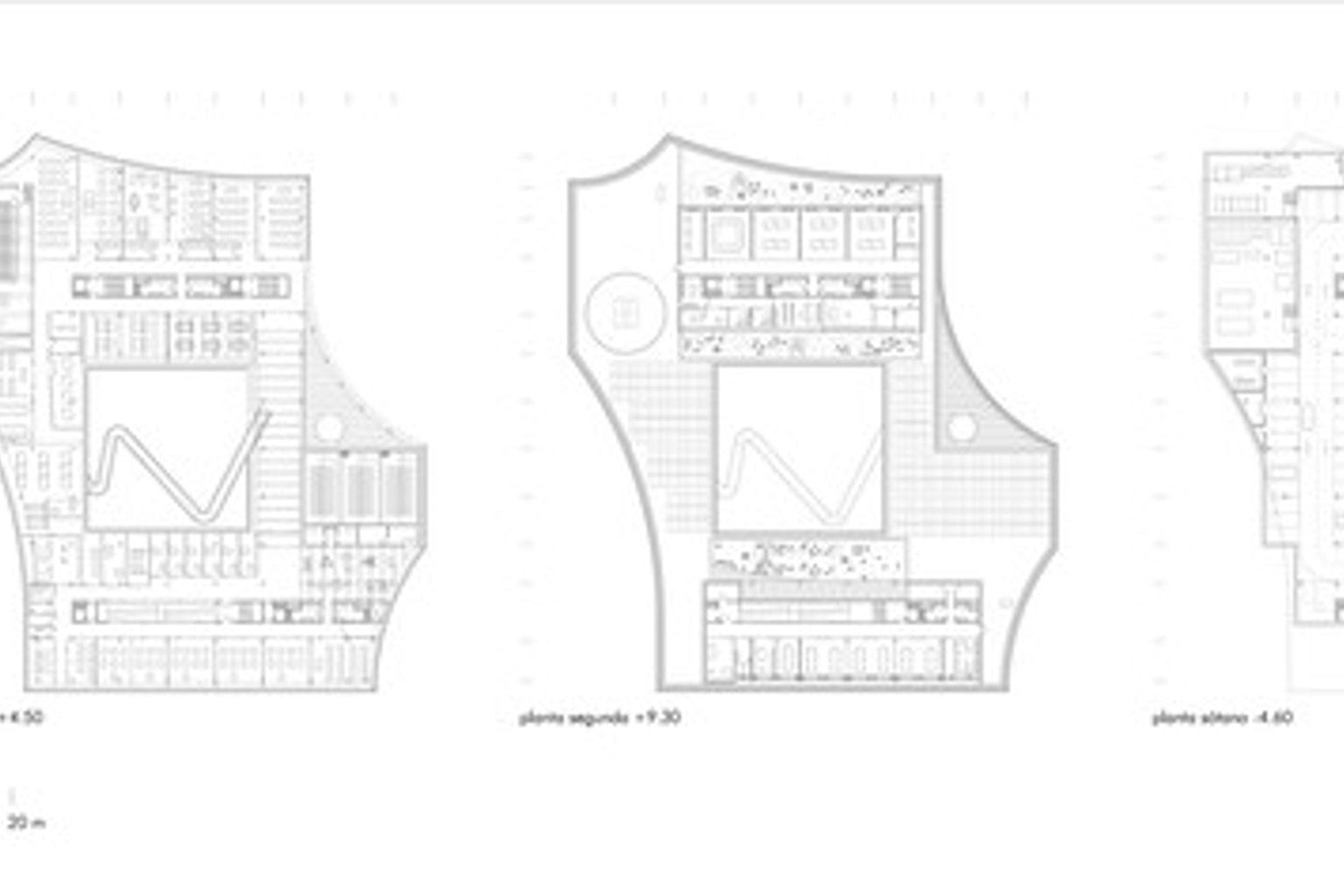
By deliberately breaking up the floor plan, the design ensures that independent spaces maintain a distinct sense of intimacy. This approach moves away from the modern default of visual continuity, instead treating the home as a sequence of distinct spatial experiences.
The feature highlights how this localized Madrid project taps into a growing global fatigue with hyper-exposed domestic environments, offering a sophisticated alternative.
The catch
Beyond the aesthetic novelty of the Macedonia House, the open question is the functional philosophy driving this kind of architectural fragmentation. The concept of “broken-plan” living has been steadily rising as homeowners realize the acoustic and psychological drawbacks of entirely open spaces—a reality made starkly apparent during recent years of increased remote work and shifting domestic habits.
the practical question is how bardo achieved this separation without making the home feel claustrophobic or disjointed. A fragmented layout requires meticulous planning about sightlines, transitional zones, and the flow of natural light.
People are analyzing how the architects managed to carve out independent, intimate areas while maintaining a cohesive identity for the entire residence. The challenge in such renovations lies in balancing the desire for seclusion with the necessity of a unified domestic environment.
Also, the idea of “surprise” as a guiding architectural principle suggests that moving through the Macedonia House is meant to be a narrative experience, where each room or separated zone offers a distinct atmosphere, material palette, or geometric configuration unlike the last.
What to verify
Because the initial project highlights focus primarily on the conceptual framework of intimacy and fragmentation, several practical details remain to be explored by architectural critics and prospective renovators:
- Materiality and Lighting: How does the fragmented design handle the distribution of natural light? It will be important to verify if the architects utilized interior glazing, skylights, or specific material choices to prevent the independent spaces from feeling dark.
- Scale and Context: The exact square footage and the specific Madrid neighborhood context are currently unverified in the primary signal. Understanding the constraints of the original structure would clarify the complexity of bardo’s intervention.
- Acoustic Performance: While a fragmented layout visually separates spaces, verifying the acoustic insulation between these intimate zones will reveal how successfully the project functions as a multi-use sanctuary.
- Client Collaboration: Further details on how the client’s vision of “surprise” was translated into specific architectural elements—such as hidden doors, unexpected level changes, or contrasting textures—warrant closer examination.
Source trail
- Macedonia House is a new residential renovation in Madrid designed by the architectural firm bardo.
- The project fundamentally challenges the traditional open-plan concept by utilizing a deliberately fragmented layout.
- The client’s core directive was to create a home that surprises, prioritizing independent spaces that offer deep intimacy.
- This design reflects a broader cultural shift back toward defined, purpose-built domestic zones rather than boundary-less living areas.
The primary insights about this architectural project originate from its feature on ArchDaily Global, a leading repository for international design and urbanism news. For broader context on how Spanish architecture is evolving to meet modern domestic needs, further context appears in the archives of El Croquis, which frequently documents the intersection of traditional layouts and contemporary renovations in the region.