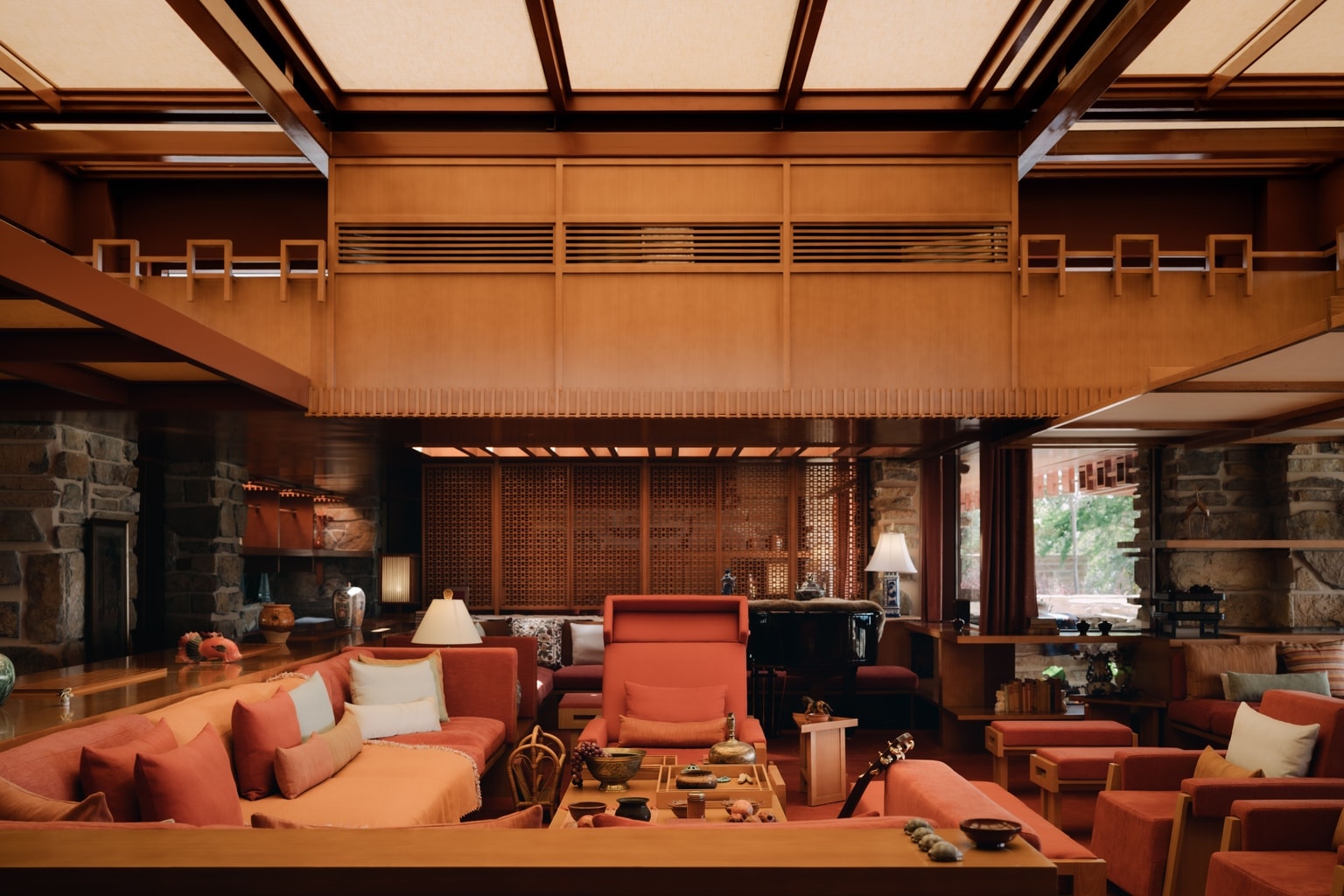
A new 20,000-square-foot winter retreat in the United Arab Emirates uses cinematic framing to hide its full scale. Designed by the architectural collective The Fellowship, the coastal home takes visual cues from midcentury Alfred Hitchcock films.
What happened
The Frangipani House sits along the coastline of Umm Al Quwain. This small emirate lies just an hour north of Dubai.
It is primarily known for mangroves, wildlife, and archaeological sites.
The sprawling holiday home unfolds slowly. Visitors walk through low-slung stone volumes and corridors that frame only small fragments of the landscape at a time.
Architect Sultan Alqasimi says the design mimics the framing techniques of Alfred Hitchcock films like Rear Window and Rope. By withholding a complete view, the property sustains a visitor’s curiosity.
Alqasimi also compares the home to a John Ford picture. He describes it as a place where a camera could stay still, allowing quiet observation of the characters.
Alqasimi is part of The Fellowship. This three-person collective oversaw the home’s design and construction.
The structure features a red-painted steel-and-aluminum roof profile. It uses locally extracted stone for its walls, planters, and natural rock pathways.
Inside, the house contains custom timber furniture designed by the architects. A skylight above the main space features linen-canvas fabric and foldable wooden panels.
The Fellowship commissioned bespoke pottery for the project, including plates, jars, and bowls. The reading area displays a tapestry by artist Sabra Saoud from the Ramses Wissa Wassef Art Center in Egypt.
A kitchen workspace highlights an Indus Gold marble basin alongside a 1920s hand-painted Japanese fan. Elsewhere, a red silk Japanese kimono hangs in a tatami-inspired bedroom.
The team also shaped the surrounding landscape. They designed bermed earth pathways and planted Ghaf, Sidr, and eucalyptus trees.
Hibiscus, almond, and Pakistani lemon trees soften the edges of the terrain.
Why it matters
Lead architect Amjad Ayoub says the project’s horizontal layout is a direct response to the coastline. The goal was to anchor the house within the landscape rather than build on top of it.
The design treats light and shadow as primary building materials. At noon, the harsh coastal sun strikes the stone walls and shallow water features.
These water features cast cooling reflections across ceilings and corridors. Passing birds cast fleeting shadows across the ceilings of the main living room.
The changing light softens the intense outdoor environment. This transforms the house into a cool, protective shelter during the hottest parts of the day.
The home reflects the historic identity of Umm Al Quwain. The emirate’s name translates to Mother of the Two Powers, referencing its ties to both land and sea.
The catch
Despite its goal to blend naturally into the environment, the retreat spans nearly 20,000 square feet. It is a massive, highly engineered luxury compound.
The interior requires exact staging to maintain its cinematic feel. The design relies heavily on custom pottery, imported tapestries, and specific sightlines that limit practical flexibility.
What to verify
Check if the Frangipani House is visible from public roads in Umm Al Quwain.
Confirm the exact type of local stone extracted for the exterior walls and the outdoor waterfall feature.
Investigate The Fellowship’s portfolio to see if their other regional projects use similar cinematic framing techniques.
Source trail
Details about the Frangipani House and its design inspirations originated in an Architectural Digest profile. Additional context regarding Umm Al Quwain’s coastal geography helps frame the architectural choices.