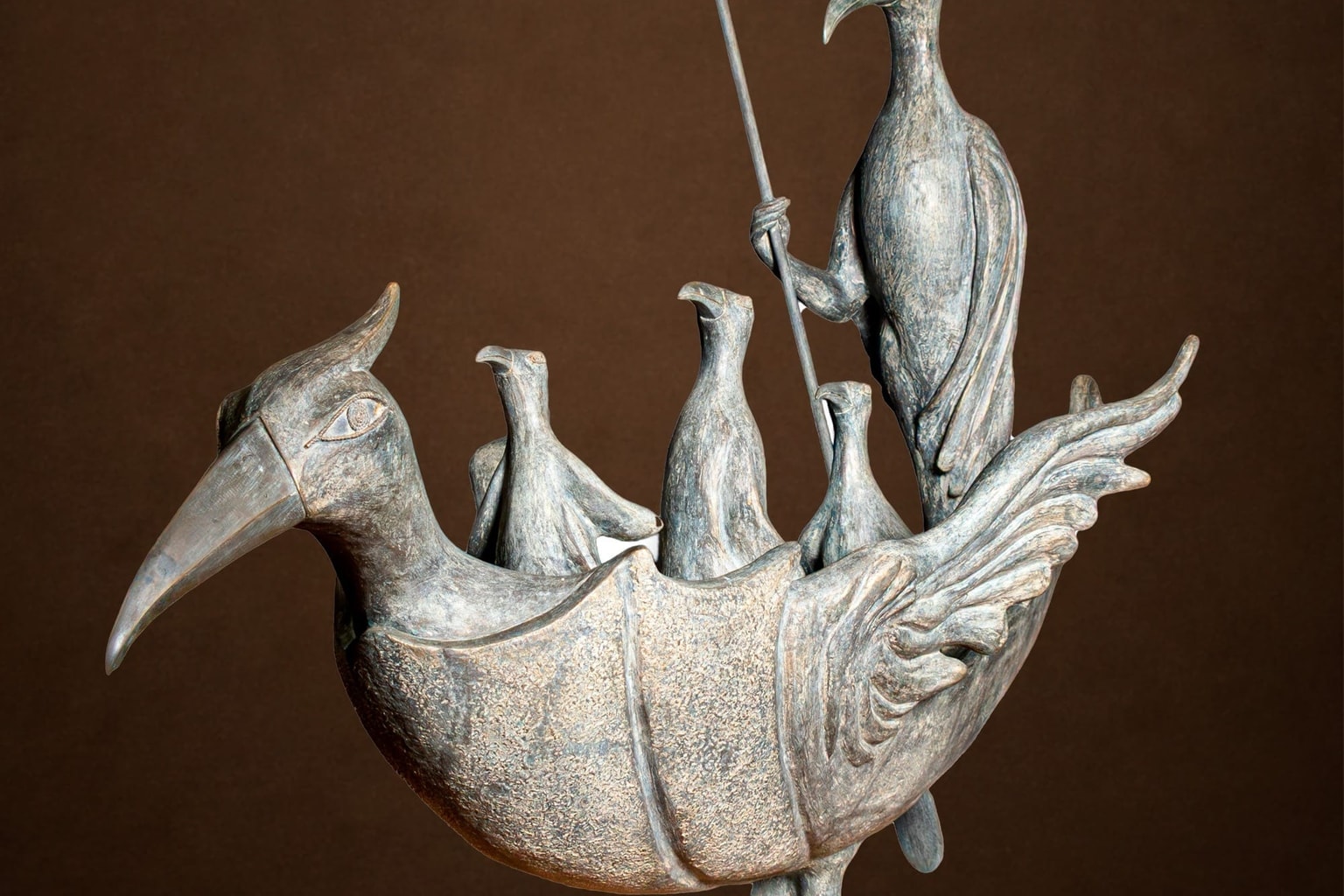
The legacy of Leonora Carrington, one of the twentieth century’s most captivating surrealist artists, continues to expand as new audiences discover the sheer breadth of her creative output. While Carrington is predominantly celebrated for her intricate, esoteric paintings filled with mythical beasts and occult symbolism, her artistic vision refused to be confined to a flat canvas.
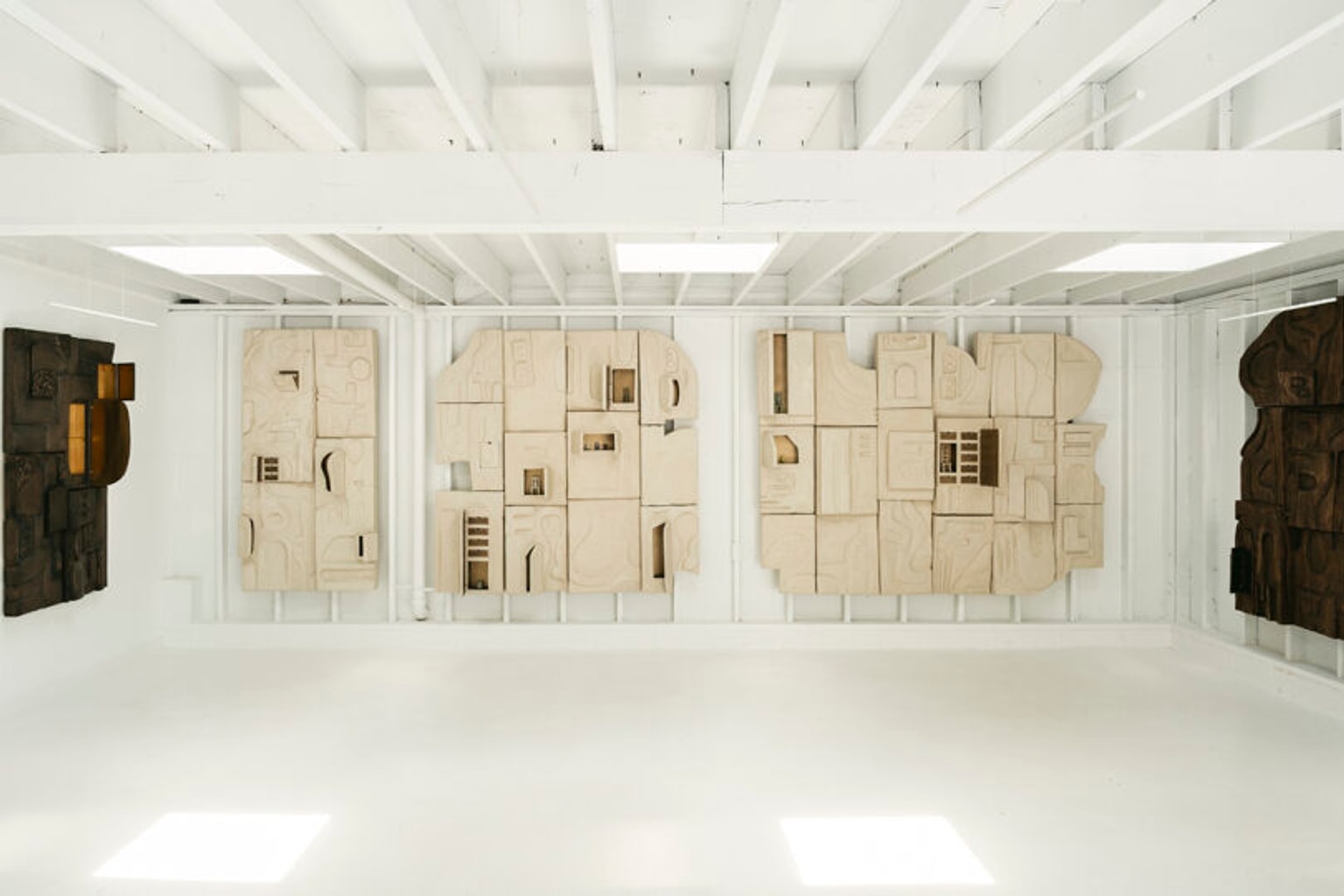
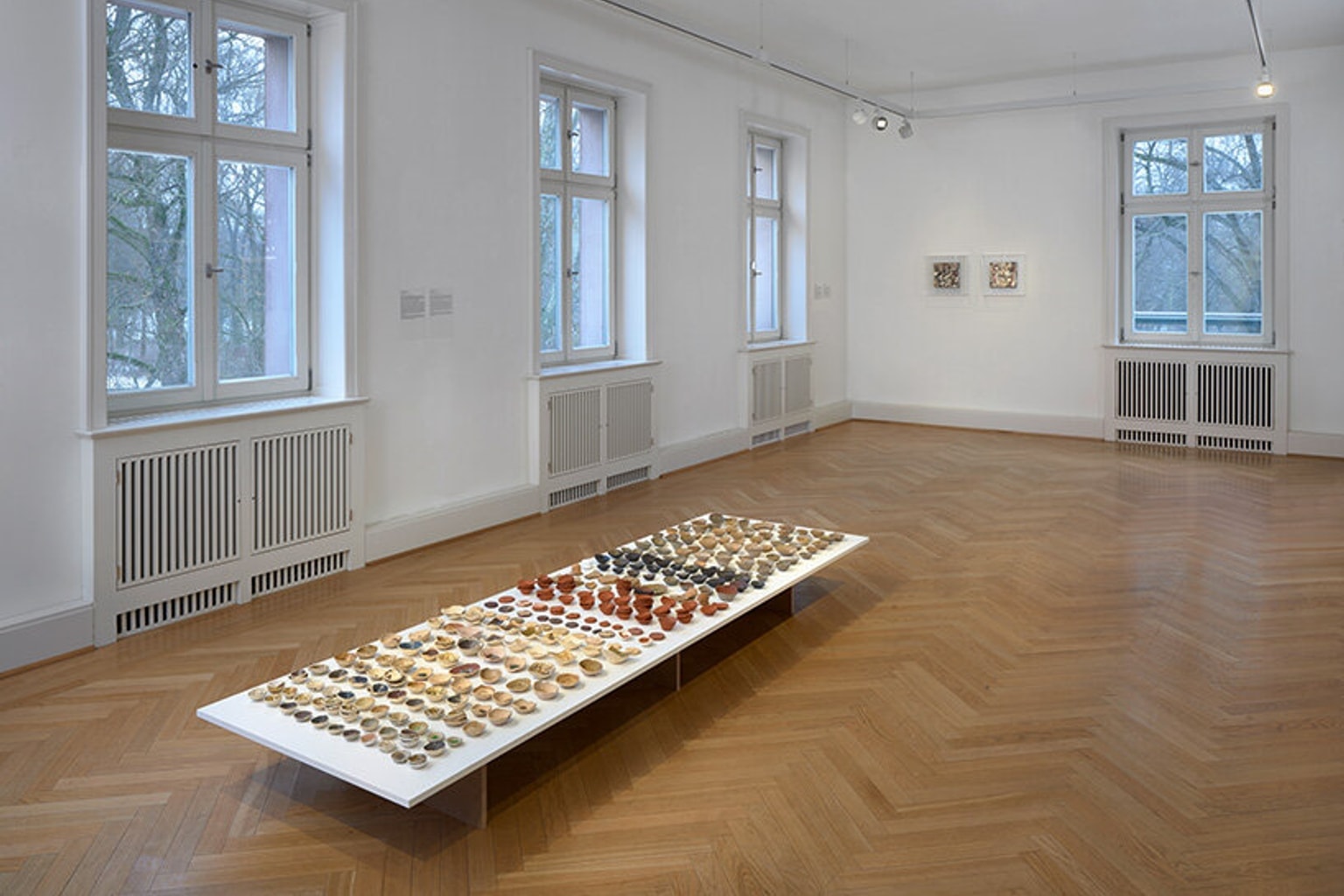
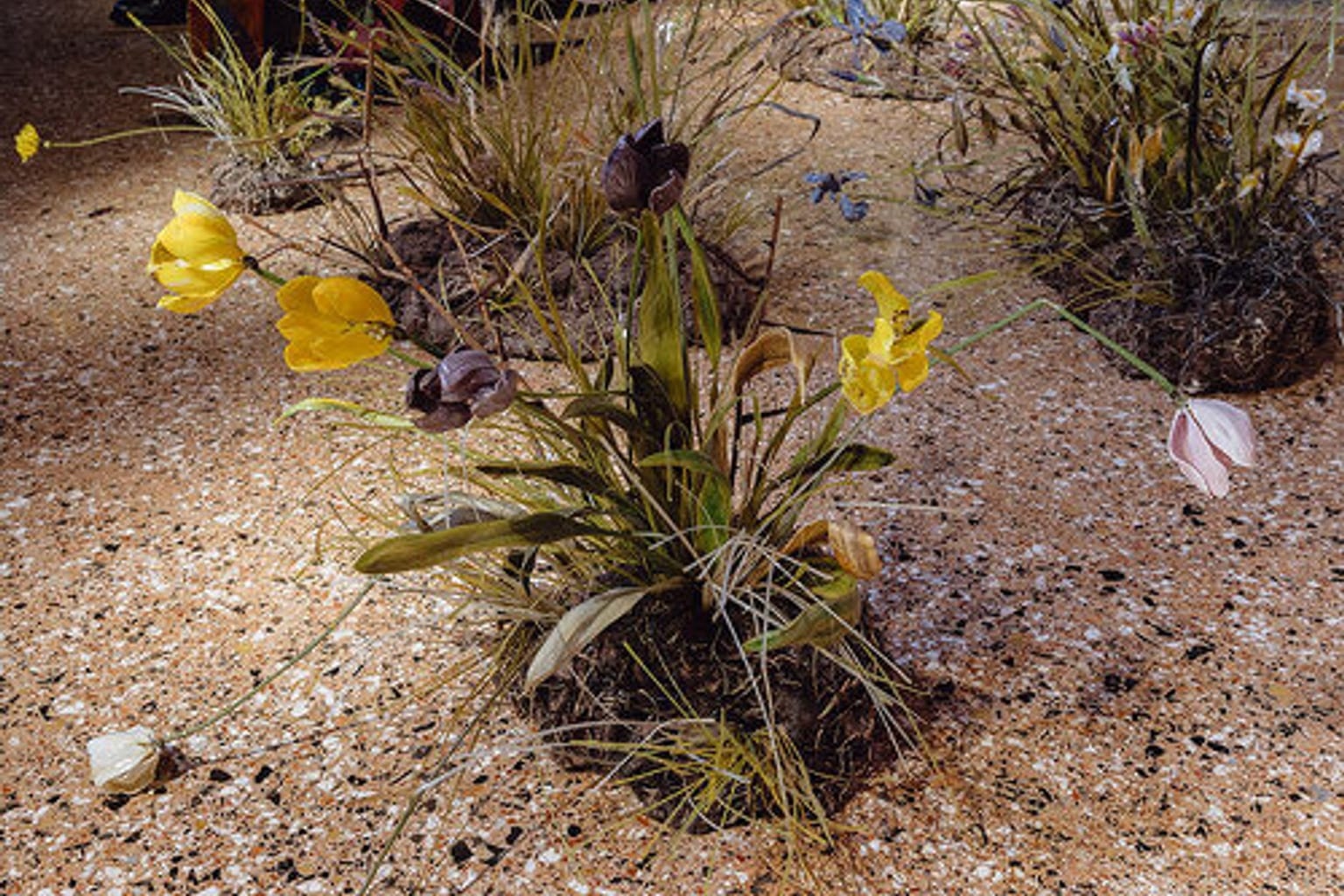
A recent feature highlights her lesser-known but equally mesmerizing three-dimensional works, focusing on a thematic exploration titled “Shape of Dreams.” This fascinating intersection of fine art, sculpture, and jewelry design underscores a prolific career that spanned decades and crossed multiple physical mediums.
Why it matters
Interest in Carrington’s multidimensional portfolio is surging following a recent publication by the independent arts platform This Is Colossal. The feature, aptly titled “Surreal Figures Step from Leonora Carrington’s Paintings into ‘Shape of Dreams’,” draws attention to how her otherworldly figures transition from the painted realm into tactile reality.
In recent years, the art world has experienced a massive course correction, actively recovering and elevating the histories of female surrealists who were historically overshadowed by their male contemporaries. Carrington, who lived a fiercely independent life primarily in Mexico after fleeing Europe during World War II, is at the forefront of this renaissance.
When a prominent digital arts magazine highlights her sculptures and jewelry, it naturally triggers a wave of enthusiasm across internet culture and art-design communities, prompting a renewed evaluation of her entire oeuvre.
The catch
Beyond the initial visual wonder, art enthusiasts and casual observers alike are attempting to grasp how Carrington’s deeply psychological and alchemical themes function as physical objects. Her two-dimensional art is famous for its narrative complexity—often blending Celtic mythology, Mexican folklore, and dream logic into a single frame. People are curious about how these intricate narratives are distilled into the medium of sculpture or wearable jewelry.
Also, audiences are trying to contextualize “Shape of Dreams” within her broader timeline. Did she create these three-dimensional pieces simultaneously alongside her most famous paintings, or were they a later-life exploration?
The translation of her signature motifs—such as elongated figures, hybrid animal-humans, and spectral entities—into cast metals or carved forms represents a distinct technical challenge. Understanding how she navigated the shift from the illusory depth of painting to the tangible weight of sculpture provides critical insight into her creative genius.
It reveals an artist who was not merely illustrating dreams, but actively forging them into the physical world.
What to verify
Because the initial signals surrounding “Shape of Dreams” are brief, several specific details require further journalistic verification. First, it is necessary to confirm the exact nature of “Shape of Dreams”—whether it refers to a newly organized museum exhibition, an upcoming gallery retrospective, a published catalog, or a curated digital showcase.
Also, researchers must verify the specific materials and casting techniques Carrington employed for these highlighted sculptures and jewelry pieces. Confirming the dates of creation, the provenance of the items shown, and the current institutions or private estates that hold these works will provide a more complete picture for scholars, historians, and collectors looking to view the pieces in person.
Source trail
Leonora Carrington’s artistic genius extended far beyond her famous surrealist canvases, taking physical form through intricate sculptures and wearable art. The recent spotlight on her “Shape of Dreams” collection offers a thrilling new dimension to her legacy, proving that her mythical visions are just as powerful in three dimensions.
For anyone fascinated by the intersection of art history, surrealism, and feminist rediscovery, this story is a highly compelling piece of cultural news useful for fellow art lovers.
The primary signal for this development comes from the arts and culture publication This Is Colossal, which recently highlighted Carrington’s multidimensional work. For deeper context on her life and her foundational role in the surrealist movement, further context appears in historical archives provided by the Guggenheim Museum and other major international art institutions.