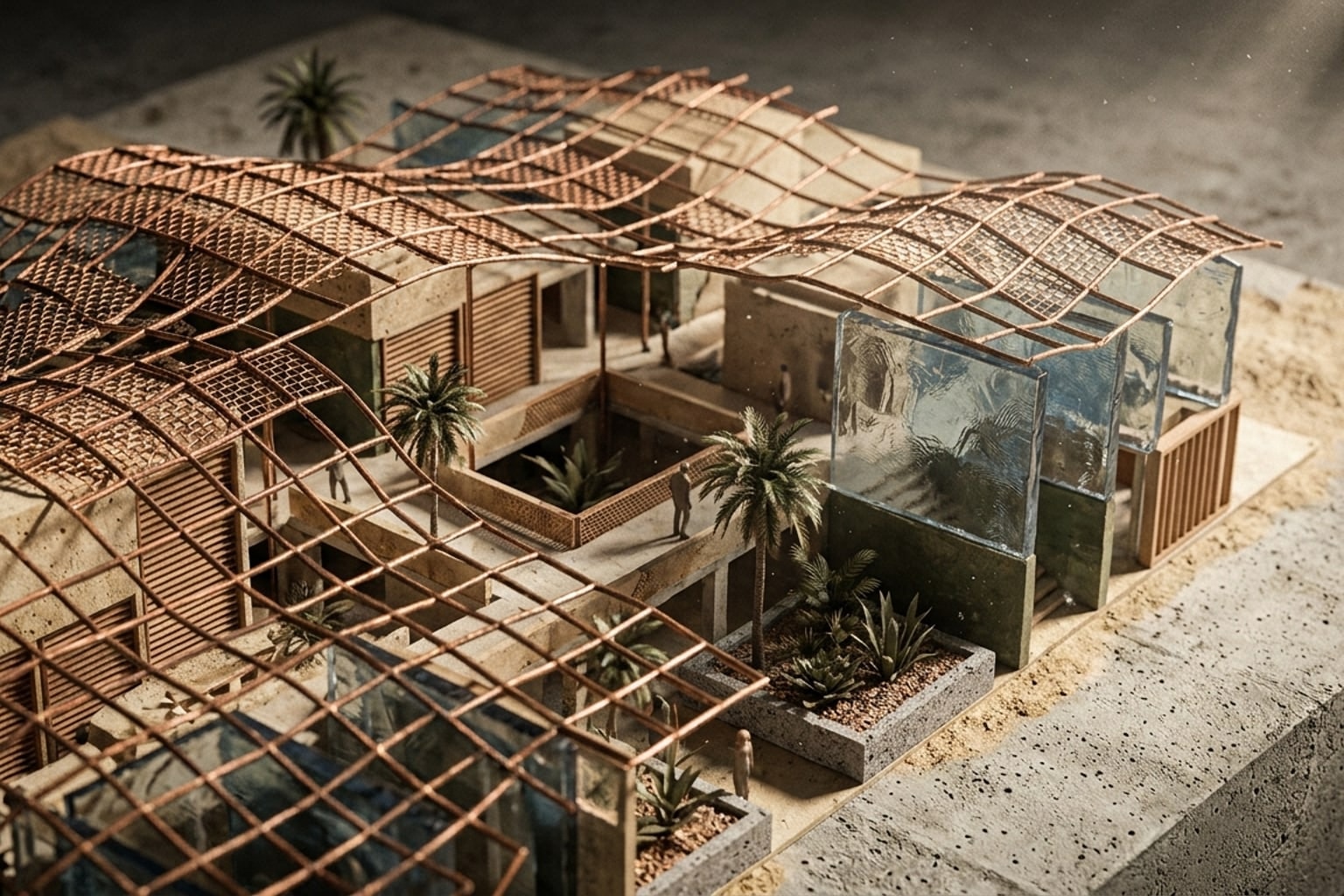
The intersection of academic innovation and sustainable design has taken center stage in a recent showcase of emerging architectural talent. Featured in a widely circulated digital design exhibition, students from the United Arab Emirates University (UAEU) have presented a series of forward-thinking architectural concepts.
The projects, highlighted by the influential design publication Dezeen, focus heavily on academic collaboration and environmental resilience, offering a window into how the next generation of architects plans to build in challenging climates.
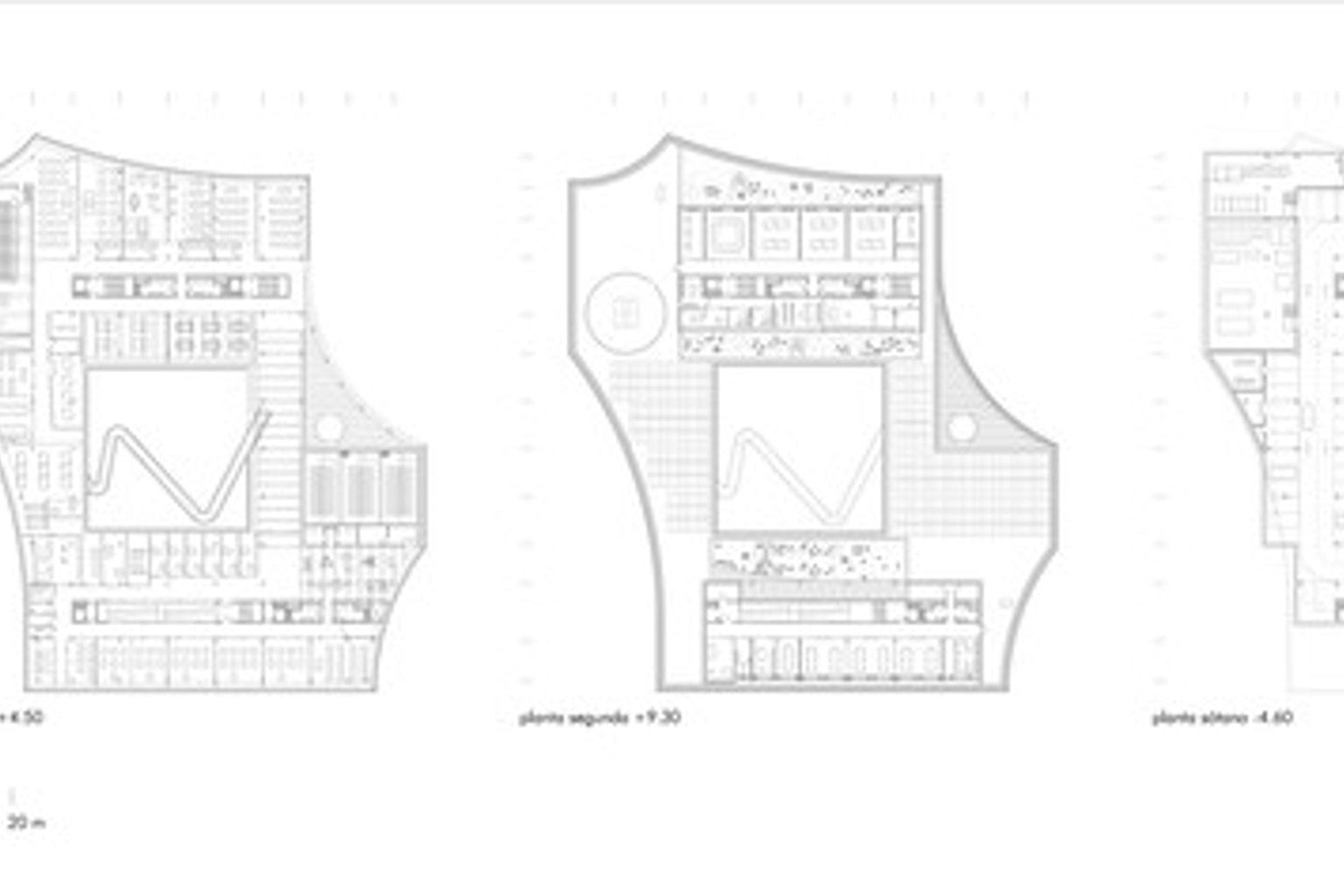
Among the standout concepts is a sustainable community center explicitly designed to foster academic exchange, research, and innovation. Alongside it sits a climate-responsive workspace tailored to withstand and adapt to the extreme weather conditions characteristic of the United Arab Emirates.
This glimpse into the future of Middle Eastern architecture is useful for anyone interested in how emerging designers are pragmatically tackling extreme climate challenges.
Why it matters
The architectural concepts are now gaining traction as part of the Dezeen School Shows, a recurring digital exhibition that amplifies student work from top design institutions around the globe. As global temperatures rise, the international architectural community is increasingly looking toward regions that already experience extreme heat for innovative, battle-tested design solutions.
The United Arab Emirates University projects capture this exact zeitgeist, pivoting away from energy-intensive, glass-heavy skyscrapers toward sustainable, climate-responsive infrastructure. Academic showcases like this often serve as a reliable barometer for where the broader construction and design industries are heading over the next decade.
Also, the timing of this showcase aligns with a broader regional push within the Middle East to diversify economies and prioritize sustainable urban development. By highlighting a community center built for academic exchange and a workspace engineered for harsh weather, the students are directly addressing the immediate infrastructural needs of their local environment.
The international attention on these academic projects underscores a growing appetite for localized, environmentally conscious design over generic, resource-heavy construction.
The catch
Audiences engaging with this development are primarily looking to understand how “climate-responsive” design is being taught and conceptualized at the university level. The practical question is what a workspace designed for extreme weather actually entails—whether it relies on passive cooling techniques, traditional shading methods, or advanced sustainable building materials that minimize a structure’s carbon footprint.
Also, there is a strong interest in the shift toward collaborative academic spaces. The proposed sustainable community center signals a departure from isolated research facilities, suggesting that future innovation hubs in the UAE will prioritize open exchange and community integration.
Observers are trying to gauge if these student projects represent a permanent pedagogical shift at the United Arab Emirates University toward sustainability, and whether these theoretical designs have the potential to influence actual municipal building codes or commercial developments in the region.
What to verify
Because these designs are now existing as academic proposals within a student showcase, several practical elements require further investigation. Journalists and architectural critics should verify whether any of the featured UAEU projects are slated for physical prototyping or if they remain strictly conceptual exercises meant to fulfill degree requirements.
It is also necessary to examine the specific environmental metrics these designs claim to address. Verifying the exact passive cooling strategies, material sourcing, and energy-efficiency estimates of the climate-responsive workspace will determine the true viability of these concepts.
Finally, tracking whether the students involved are partnering with local software teams, construction firms, or government agencies will indicate the real-world impact of this academic cohort.
Source trail
The primary information about these student projects originates from a feature in Dezeen’s School Shows, published on June 20, 2026. The article details the academic hub and climate-responsive workspace designs submitted by students at the United Arab Emirates University.
For the original feature and visual renderings of the academic concepts, the source material includes the Dezeen School Shows UAEU feature. Further context on the university’s curriculum, faculty, and ongoing sustainable research initiatives can generally be explored through the United Arab Emirates University’s official academic portals.
Students at the United Arab Emirates University are drawing international attention for their pragmatic, sustainability-focused architectural designs. By proposing climate-responsive workspaces and collaborative community centers, these emerging designers are demonstrating how future infrastructure can successfully adapt to extreme weather conditions while fostering academic and social innovation.