For decades, the elevator has been treated as a purely utilitarian necessity—a transient, often awkward metal box designed solely to move bodies between floors as quickly as possible. Yet, as modern architecture increasingly prioritizes holistic environments, the brief moments spent in transit are undergoing a radical reimagining.
Swiss engineering giant Schindler is now at the forefront of this shift, pushing the boundaries of what a vertical commute can feel like.
Why it matters
The conversation around vertical transit design has gained fresh momentum following a recent spotlight by the design and architecture publication Designboom. In June 2026, the outlet highlighted how Schindler is actively engineering elevators that transform daily transit into an immersive experience.
Rather than treating the cabin as an afterthought, the company is focusing on what they describe as “material honesty,” dynamic lighting, and carefully integrated media.
This development is moving through design circles now because it represents a maturation of smart building technology. In the past, “smart” elevators simply meant faster routing or touchscreen destination dispatch.
Today, the focus has expanded to the psychological and aesthetic quality of the ride. Architects and software teams are realizing that the seconds spent in an elevator are often a visitor’s first true interior experience of a building.
By treating these seconds as a cohesive architectural journey, Schindler is tapping into a growing demand for environments that do not abruptly break a building’s design narrative the moment the doors close.
The catch
At the core of this trend, design enthusiasts and commercial software teams are trying to understand how a confined, moving space can actually feel expansive and integrated. The concept of “material honesty” suggests a departure from the faux-wood laminates and generic mirrored panels of the past. Instead, it points toward using authentic, tactile materials—exposed metals, real stone, or high-quality glass—that echo the structural reality of the building itself.
Also, people are curious about the implementation of dynamic lighting and integrated media. The goal is to avoid the claustrophobic glare of traditional fluorescent panels.
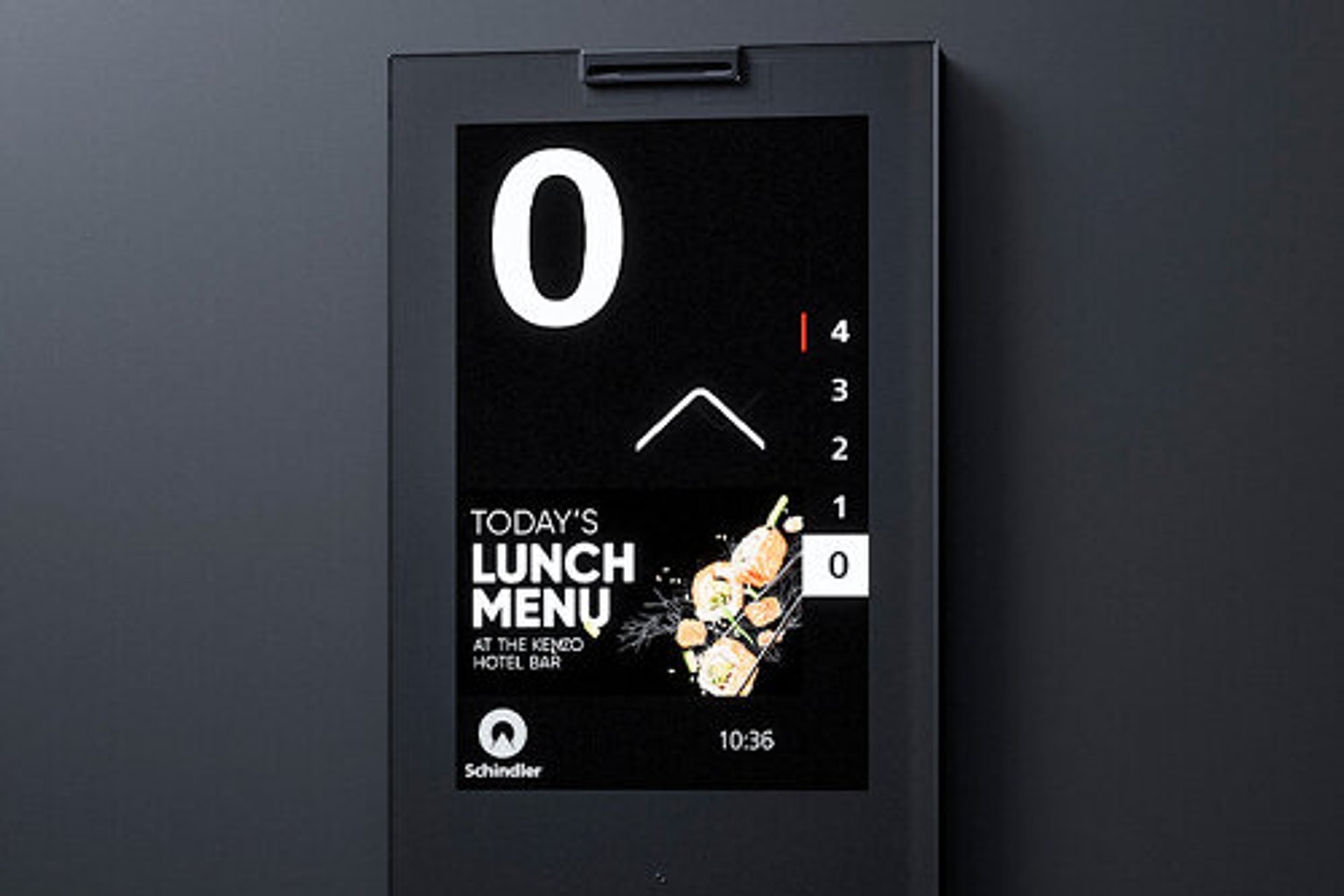
By using lighting that adapts to the time of day or the specific ambiance of the host building, the elevator cabin can serve as a transitional mood-setter. Integrated media, when done correctly, shifts from being a distraction—like a loud television playing local news—to an ambient, artistic extension of the architecture.
It is about creating a seamless bridge between the lobby and the destination floor, ensuring the architectural illusion remains unbroken.
What to verify
While the design philosophy is compelling, several practical elements require further verification as these systems roll out across the industry.
- Deployment scale: It remains to be seen how widely these highly customized, immersive cabins will be deployed outside of ultra-luxury commercial or hospitality projects.
- Media integration specifics: Observers should look closely at how Schindler balances “integrated media” with user comfort, ensuring that digital additions enhance the architectural journey rather than devolving into captive-public advertising spaces.
- Maintenance and durability: Authentic materials and dynamic lighting systems introduce new maintenance variables. It will be important to track how these aesthetically elevated cabins hold up against the intense daily wear and tear of high-traffic transit environments.
Source trail
The primary signal for this architectural shift comes from a detailed feature published by Designboom, which explores Schindler’s design philosophy and recent engineering milestones. For broader context on how the company has historically balanced heavy engineering with user experience, observers can look to Schindler’s official corporate developments, which frequently detail their advancements in transit management and urban mobility solutions.
Schindler is shifting the paradigm of vertical transportation by treating the elevator not just as a mechanical necessity, but as a vital, immersive continuation of a building’s overall architecture. Through authentic materials and responsive lighting, the brief seconds of daily transit are being elevated into a thoughtfully designed experience.
This intersection of heavy engineering and spatial design is useful for anyone fascinated by how subtle environmental changes shape our daily routines and urban lives.